

An estimated 5% of the global adult population are diagnosed with rosy skin.
Rosy skin is a skin condition that affects millions of people across the globe. In fact an estimated 5% of the global adult population have rosy skin (around 45 million people), and one in every 600 people in the UK are diagnosed with the condition.
With more people than ever seeking laser treatment for this type of issues, the knowledge and treatment of this skin condition is growing rapidly. Although a chronic skin condition, there are increasingly effective ways to treat rosy skin and rebalance the skin’s inflammatory response.
What is rosy skin exactly?
Rosy skin is predominantly found on the face and categorised as persistent rosy skin caused by dilated blood vessels, small bumps and sometimes pus-filled spots, similar to acne. Flare-ups fluctuate in response to diet, stress, hormones and environment, making managing the treatment an ever-shifting target.
Much like eczema, anyone can develop spots, mild discolouration or acne, as some call it, but it most commonly affects fair skin tones, individuals between 40 and 60 and more often presents in women rather than men.
There are different types of rosy skin, though many people experience symptoms of more than one type:
- Erythematotelangiectatic rosy skin - more common in women, this intermittent flushing and rosy skin on the central parts of the face looks similar to sunburn. This is often the first symptom of rosy skin and others may or may not develop from this.
- Papules and pustules - small lumpy spots and cysts similar to acne that come and go or in some cases remain long-term.
- Telangiectasia - A dense network of broken blood vessels and thread veins across the nose and cheeks.
- Rhinophyma rosy skin - more common in men, skin on the nose is thickened and the sebaceous glands are enlarged.
- Ocular rosy skin - symptoms revolve around the eyes and include bloodshot eyes, watery eyes, dry or itchy eyes, difficulty seeing and light sensitivity.
The signs and symptoms of rosy skin include:
- Small dilated blood vessels
- Intense pink skin in the centre of the face
- Bumps and pus-filled spots
- Rashes across the entire face
- Transient and periodic flushing that differs in its severity
- Inflamed skin on the apples of the cheeks
- Increased sensitivity
- Stinging or burning sensation when topical products are applied
What are the main causes of rosy skin?
The exact cause of rosy skin is not fully known but it seems to stem from a combination of both genetic and environmental influences.
Rosy skin can be genetic
There is strong evidence to suggest rosy skin as hereditary. Rosy skin tends to run in families and studies suggest that people with rosy skin are four times more likely to have a family history of the skin condition. It is widely considered in the medical community to be associated with abnormalities of blood vessels. Blood vessels when over-dilated, cause flushing of the skin.
Rosy skin from inflammation
It is also associated with abnormal inflammation. Inflammation is a normal immune system response to injury and foreign invaders, such as bacteria but abnormal inflammation impairs the skin's ability to act as a protective barrier for the body. Research suggests rosy skin is linked to abnormal inflammation and a disruption of the skin barrier.
Rosy skin from the environment
There are certain lifestyle and environmental elements that often exacerbate rosy skin and directly result in flare-ups.
These most commonly include:
- alcohol (in particular red wine, beer, gin and vodka)
- exercise
- extreme high and low temperatures
- ultraviolet rays from sun exposure
- hot drinks
- spicy foods
- emotional stress
- active or fragranced skincare
- long-term use of steroid creams on the face may cause more severe symptoms and thread veins
Skincare for rosy skin and inflammation
Dermatologists can prescribe effective, targeted skincare for rosy skin which is definitely a good start point for progressed cases.
LYMA Power Youth Skincare is a new category of proven skincare actives that support and strengthen your skin to effectively treat rosy skin and sensitivity. It's the world's best performing two-step bioactive skin protocol addressing the root causes of skin ageing including an unbalanced skin microbiome and compromised skin barrier.
- Quercevita™ reduces inflammation through 14 anti-inflammatory actions, reaching deeper layers for faster results.
- Wellmune® Hydrolysed Beta Glucans boost skin health by enhancing immunity. These 1-3, 1-6 beta glucans are proven for skin barrier support.
- Levagen® restores resilience to skin stress and reduces impurities.
- L22® and aurafirm balance the microbiome, reducing rosy skin and restoring firmness.
- PrimaHyal™ 50 Hyaluronic Acid boosts barrier function by 150% and shields skin against dehydration.
How to treat inflamed skin with Laser
Laser treatment for rosy skin is the most effective course of action, though which light therapy is best for rosy skin continues to be debated. The powerful energy from laser beams breaks up enlarged blood vessels so they can be reabsorbed, reducing redness. Laser precision makes it one of the best treatments for rosy skin.
Before exploring in-clinic treatments that are costly and require recovery, let’s look at the rise of at-home laser technologies currently available.
At-home lasers for skin
The fluctuating nature of rosy skin makes home treatment ideal. Clinics achieve results, but long-term maintenance is better managed at home. Many lasers for mild rosy skin can be too harsh, while the LYMA Laser offers a safe alternative.
LED light therapy
LED light therapy masks and devices are common, calming inflammation and sensitivity, but most emit low strength (up to 25 MW), making them less effective on veins or advanced cases.
At home lasers and LYMA
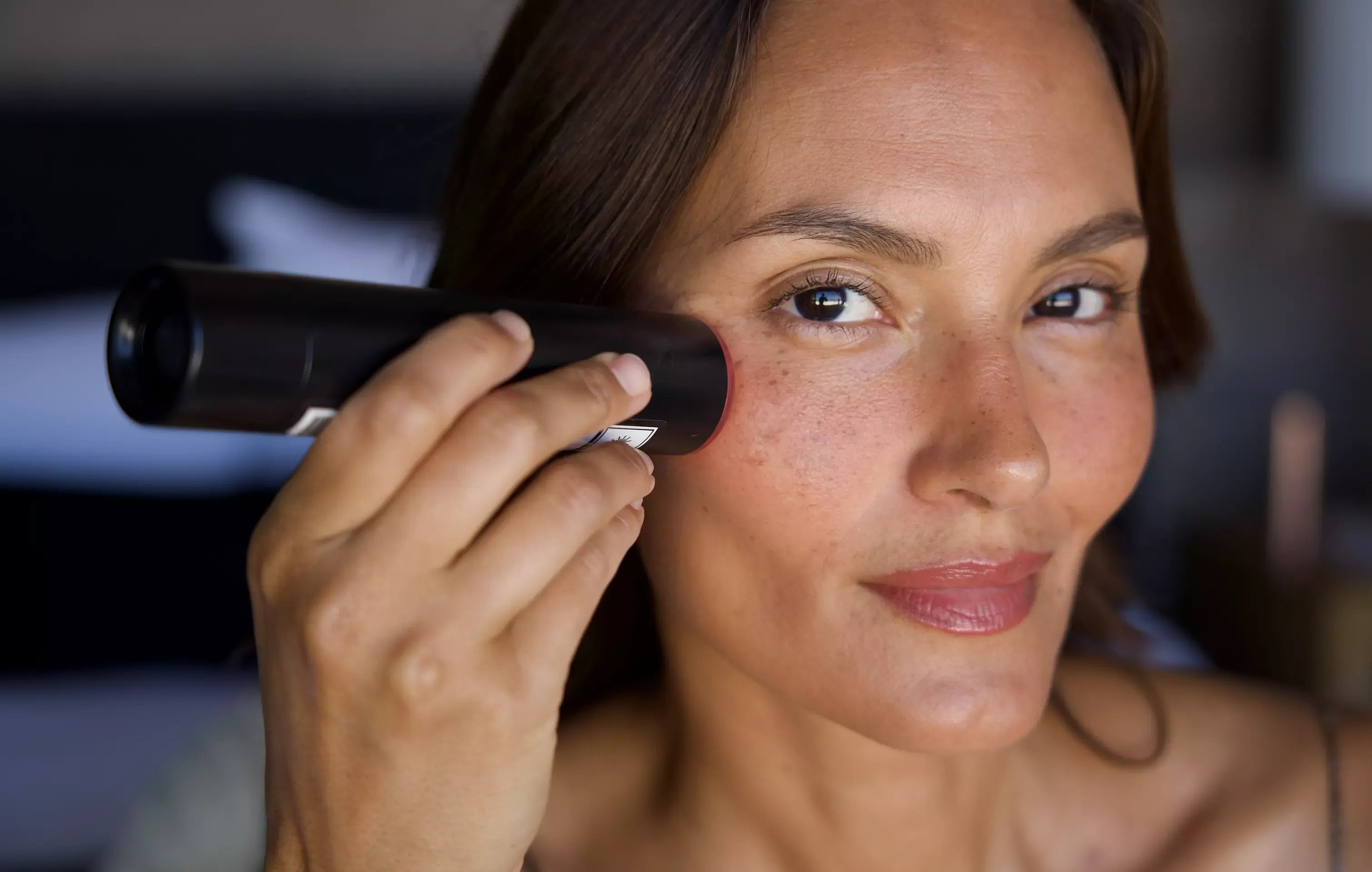
The LYMA Laser is considered the best at-home laser for rosy skin by experts worldwide. Unlike IPL or LED, LYMA uses clinic-grade cold near-infrared laser light that penetrates safely without heat or damage. This unique laser technology directly energises skin cells to heal and regenerate, instead of causing damage to trigger repair.
It can be used daily to control redness, making it the best device for both wrinkles and rosy skin.
In-clinic lasers for rosy skin
Clinic-grade lasers, such as Erbium:YAG, Pulsed Dye Lasers (PDL), IPL, CO2, and Laser Genesis, are effective but expensive, require downtime, and carry risks. VBeam and IPL are most used, while CO2 is reserved for severe cases. Newer lasers like Excel V™+ are effective but not widely available.
Risks and complications of in-clinic laser treatments
Though non-surgical, clinical lasers can be intense, requiring long recovery and carrying risks such as infection, swelling, hyperpigmentation, and burns. Treatment courses can take 6-12 months, and lifestyle adjustments are necessary during recovery.
Cost of laser treatment for rosy skin
Treatment costs range £250 - £600 per session, with up to 8 sessions needed, plus ongoing maintenance and aftercare. The LYMA Laser, in contrast, requires a one-time investment and can be used daily for years.
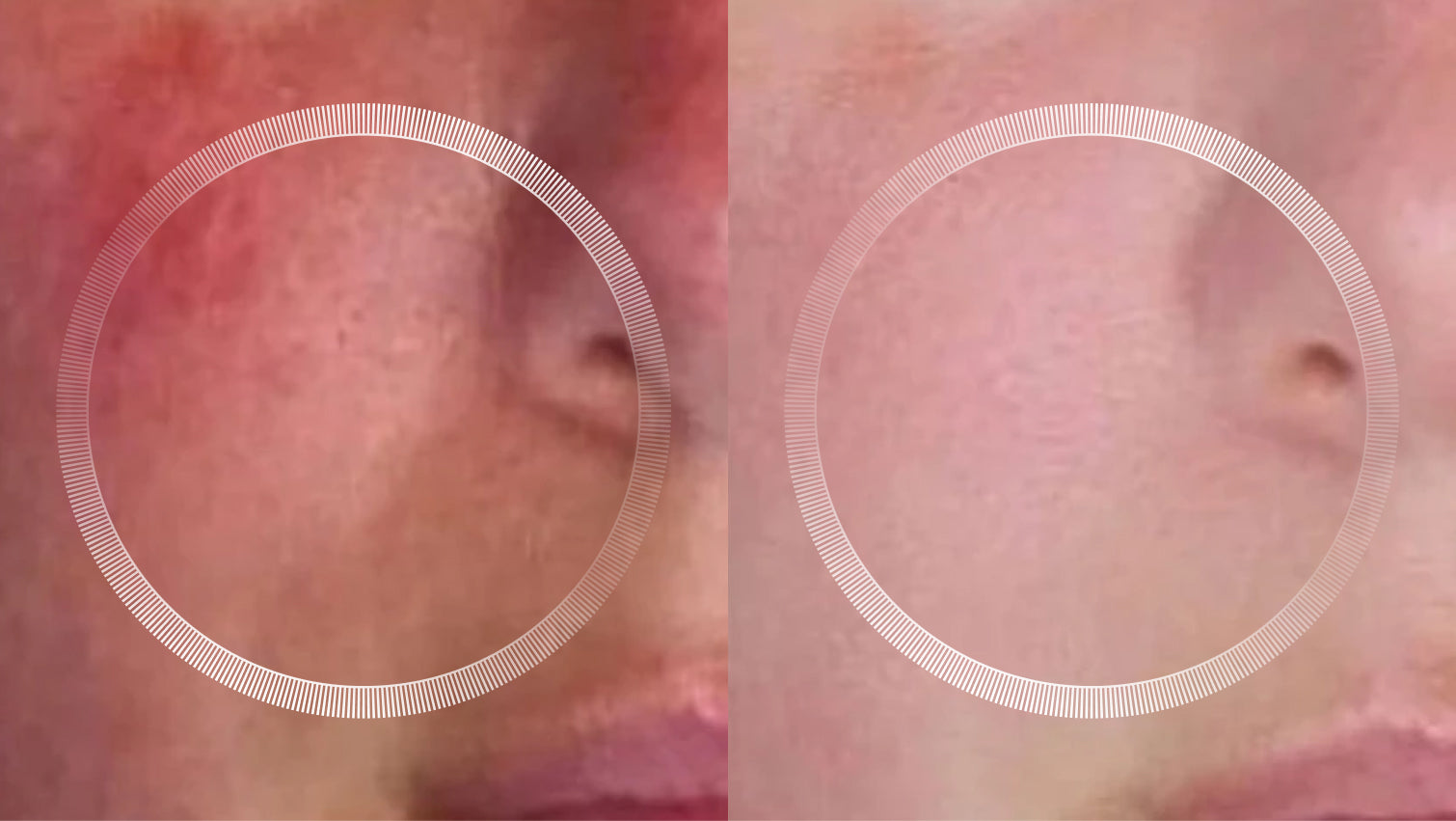
Discover how LYMA Laser works against rosy skin with these remarkable before-and-after photos:
Your Questions About Skin Lasers To Treat Rosy Skin
Can laser treatment cause rosy skin?
No. A risk of clinical laser treatment is temporary redness or inflammation, but this subsides.
Should I use a photofacial laser for rosy skin?
Yes, photofacials are effective for broken veins and burst capillaries, making them suitable for rosy skin.
Does IPL hurt?
IPL can cause stinging or burning depending on tolerance and treatment area.
How many IPL treatments are needed?
Typically 4-6 sessions, but rosy skin may return, requiring further maintenance.
How long to see results?
Improvements can be visible after the first week, with full results in 3-4 weeks as blood vessels are reabsorbed.


