
Denise spent years treating the surface. LYMA ID² taught her to listen deeper.
Denise had a skincare routine most women would envy. Serums. Actives. SPF without fail. She knew the ingredients, followed the science, spent the money. And still, in her late forties, her skin seemed to be working against her - dull in a way no exfoliation could shift, reactive without apparent cause, inflamed along the jawline with a persistence that felt less like skin and more like a signal.
At the same time, something else was happening. Bloating that arrived without explanation. Digestion that felt sluggish and unpredictable. A low-level internal disorder she had quietly filed away as just getting older. She hadn't connected the two. Most people don't.
The science - the skin-gut axis
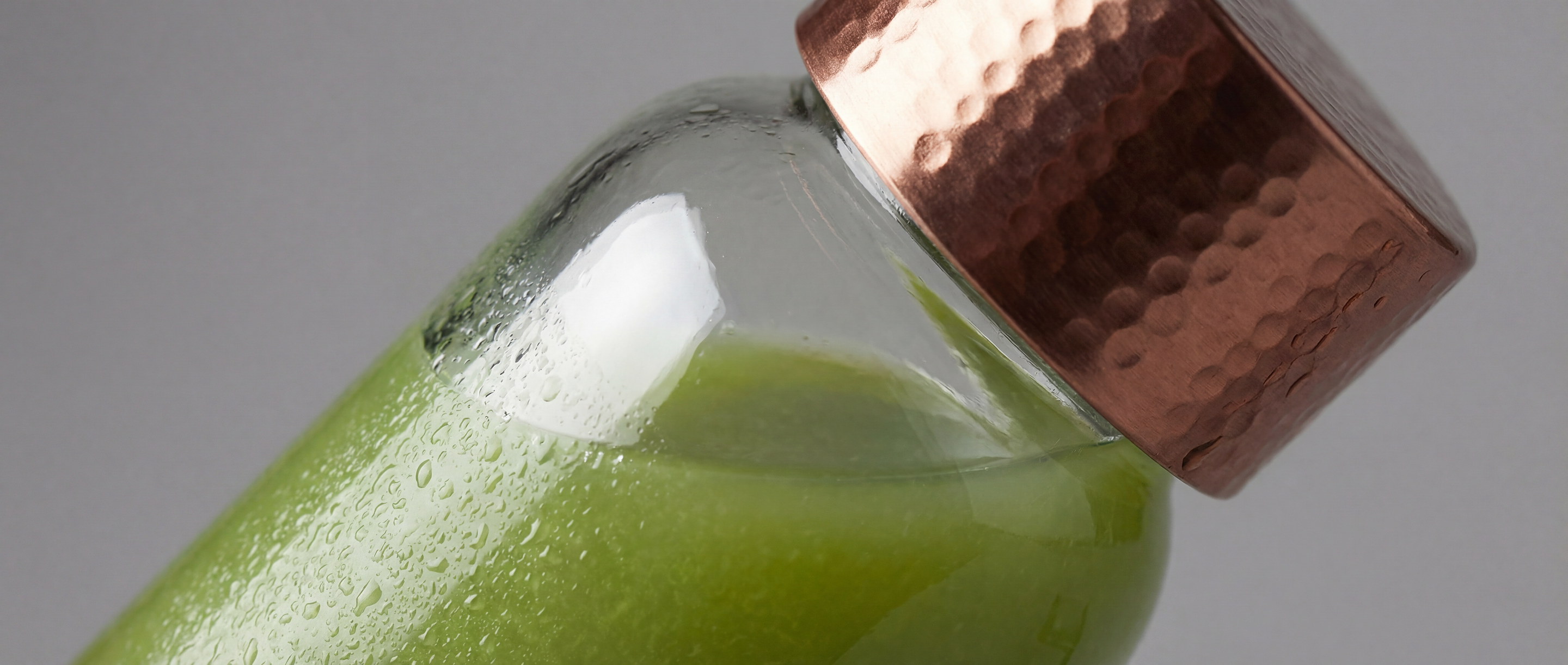
The skin and the gut are in constant communication. Disruptions in the microbiome - the ecosystem of bacteria that supports digestion and helps maintain the body's natural balance - can manifest on the skin's surface. During perimenopause, this relationship may become more volatile. Changing hormone levels can alter the gut microbiome, affecting the skin's ability to retain moisture, repair itself, and stay calm.
What Denise was seeing on her face may have had its roots somewhere else entirely.
Read about the gut microbiome - the ecosystem that connects digestion, immunity, and skin.
The realisation
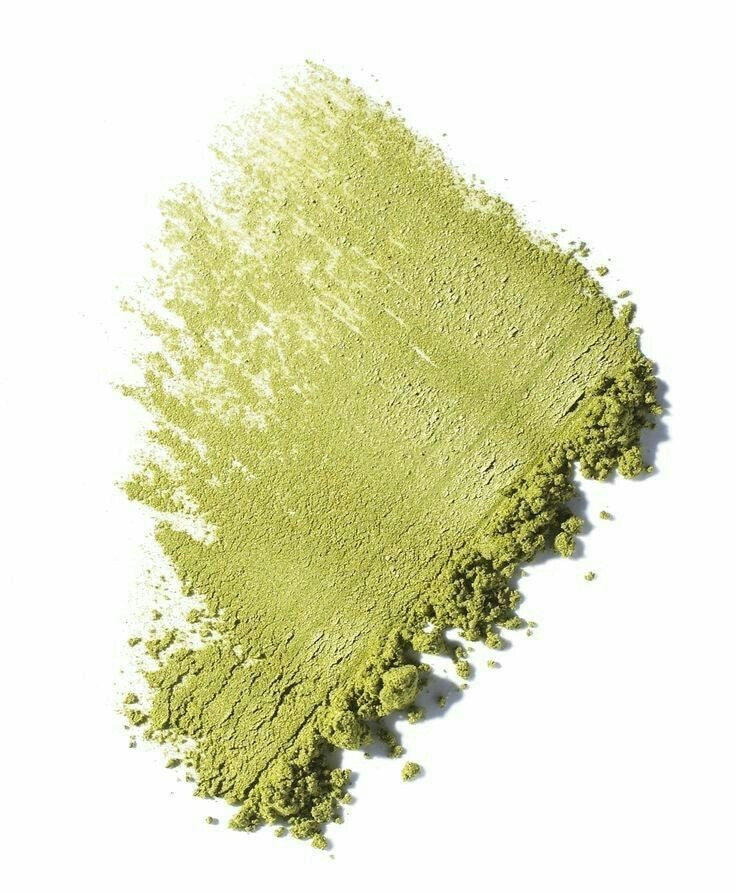
"I thought I just needed a better moisturiser." She laughs at that now. But at the time, the logic was entirely reasonable. If your skin is reactive and dull, you treat the skin. She had been doing that faithfully for years.
"Nobody had ever suggested the answer might not be on the shelf. That it might be inside me. Once I understood that, everything changed."
She began LYMA ID² six weeks into perimenopause symptoms she had only just started to name. The gut disruption, she now understood, was part of the same story as the skin. Two surfaces of the same interior problem.
The change
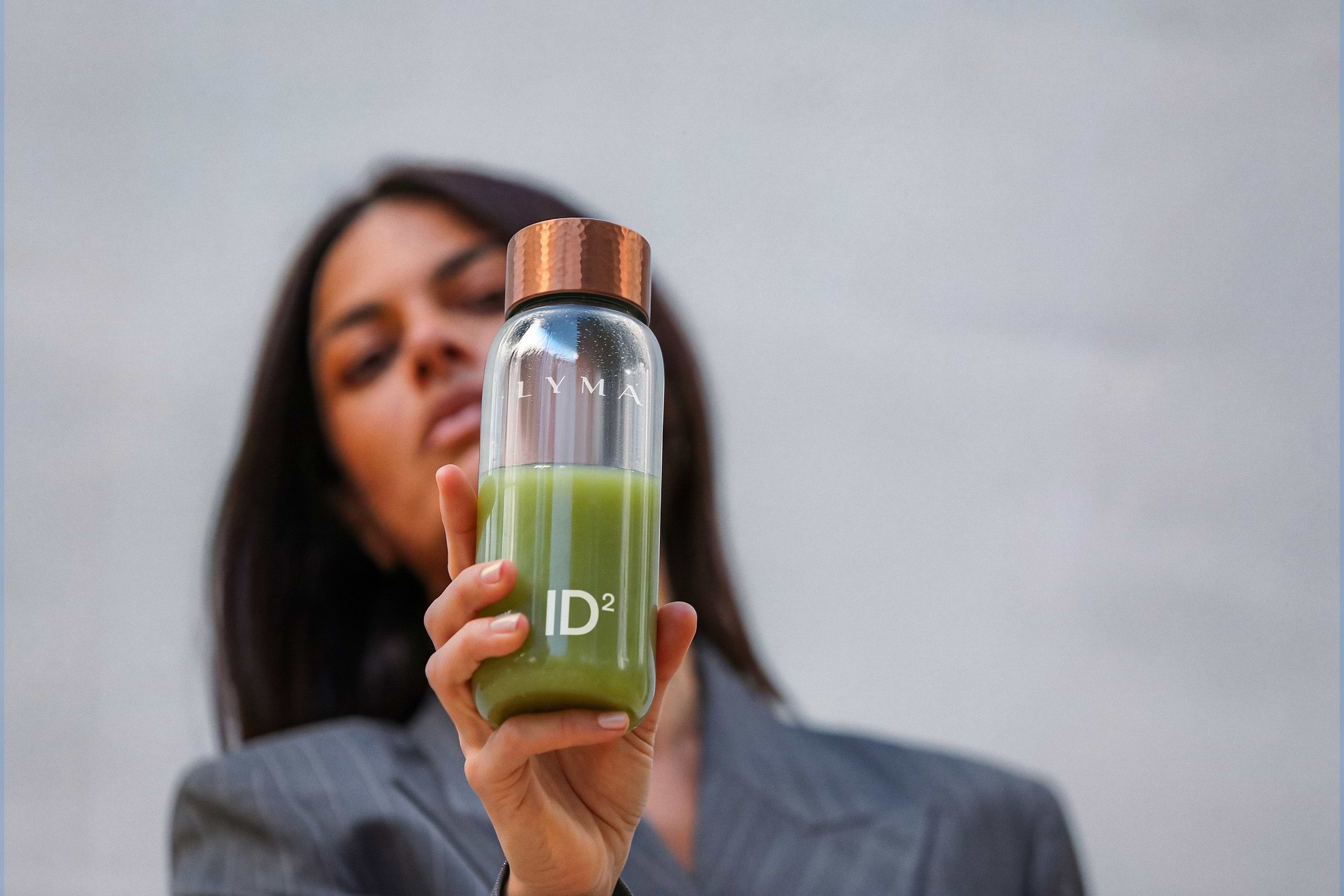
The first thing she noticed was her gut. The bloating softened. Digestion settled into something she could trust. And then - gradually, in the way that real change tends to arrive - her skin began to follow. The chronic jawline inflammation quietened. The dullness lifted. Friends commented before she had said a word.
"My skin looks clearer than it did ten years ago. I'm not exaggerating. People keep asking what I've changed. The answer is always the same now - I stopped fighting my skin and started feeding my gut."
The inflammation that had sat beneath the surface - persistent, and ageing her faster than her years - had found its cause. Not in a product. Not in a protocol. In the microbiome.
Read our journal on Prebiotic vs probiotic: understanding the fibre-first approach to gut health.
On ageing differently
"I feel like I'm ageing in reverse. I know that sounds dramatic. But when your skin is calm and your body feels settled, you carry yourself differently. You look different. I look like myself again - but better."
Perimenopause is often framed as a series of losses - of hormones, of stability, of the skin and body you knew. Denise's experience suggests something more nuanced: that with the right internal support, the transition can be met with resilience rather than resignation.
The gut-skin connection does not respond to the products on your bathroom shelf. It responds to what you feed it, how you protect it, and whether the microbiome beneath everything else is being given what it needs to thrive.
"I wish I'd known this twenty years ago. But I'm grateful I know it now."
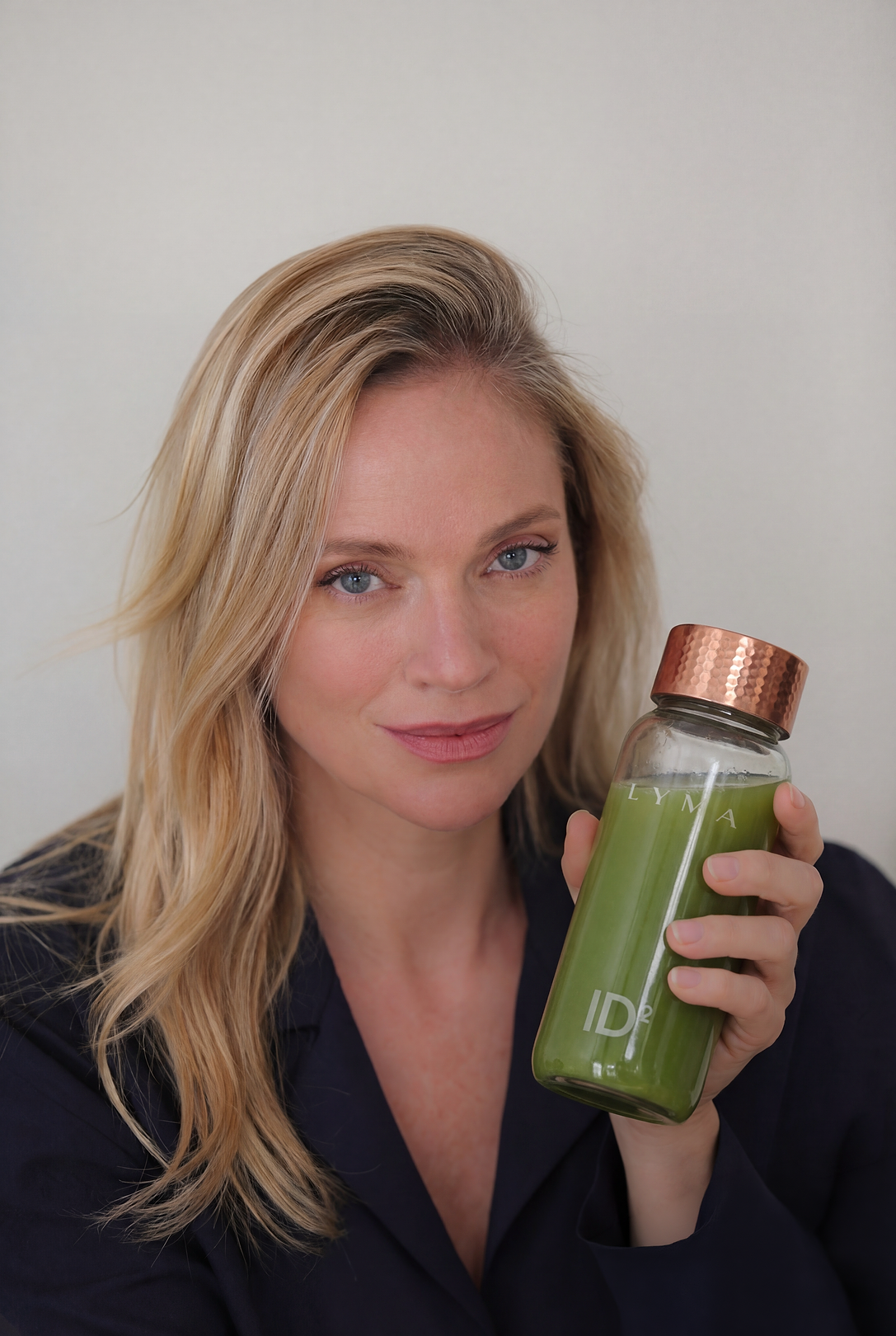
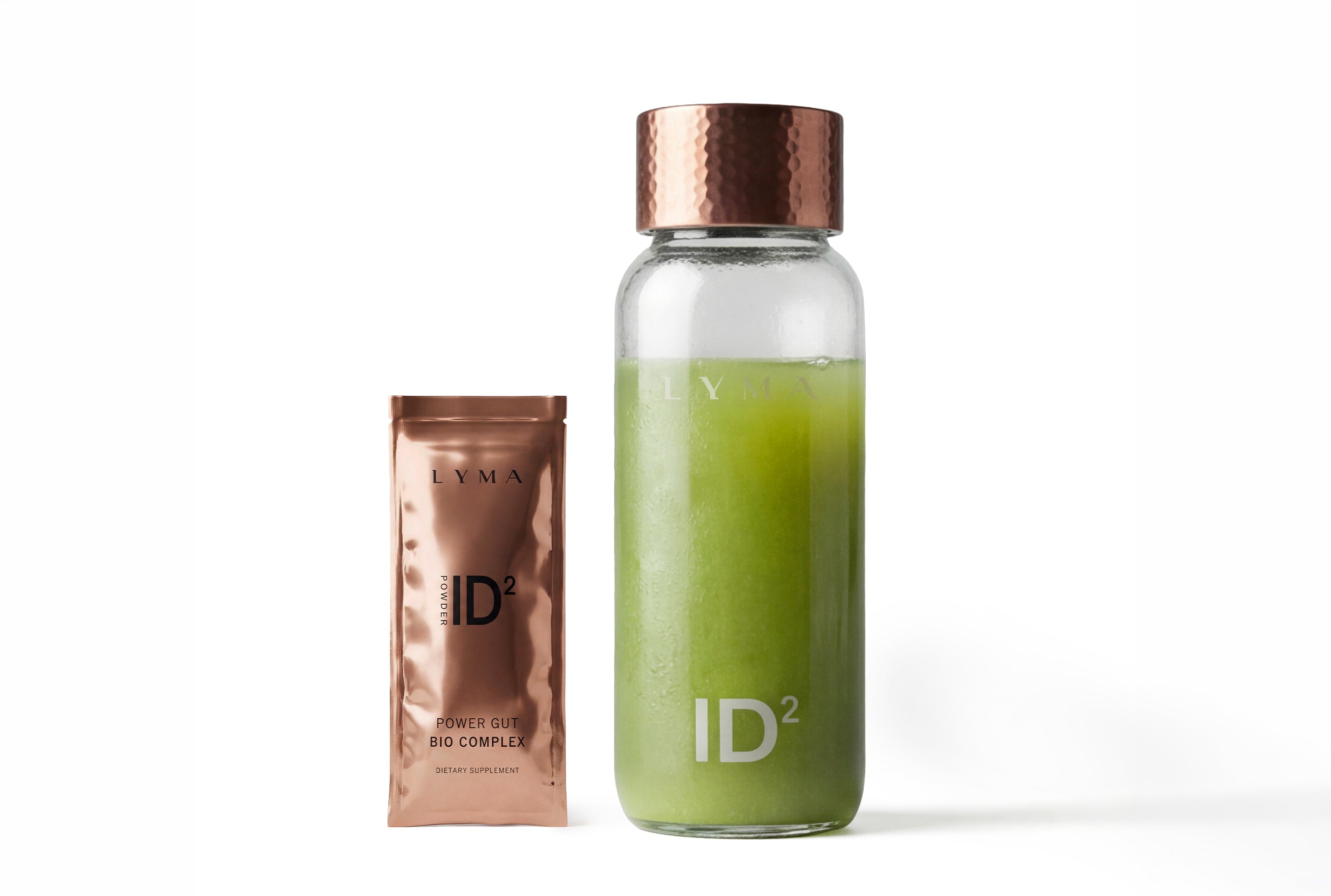
LYMA ID² is formulated by Professor Paul Clayton PhD. Gut · Power · Longevity.
Learn more about the LYMA ID2 gut health range: microbiome, and our verified science.
You may also enjoy: "I Feel Cleaner, Lighter, More Energised - and My Skin Just Radiates".


