

The unexpected perks of being a bit vain.
When we’re wholly consumed by optimising our athletic abilities, doing the inner work and striving to become our best selves, spending time on our outward appearance isn’t always seen as worthwhile. Yet improving what’s visible on the surface often nourishes what lies beneath. In reality, intentional self-care ideas - including skin, body and lifestyle rituals - can support long-term mental and physical health.
Best practices for self-care include consistent daily habits that support the nervous system, improve physical resilience and promote emotional balance. These practices often combine movement, nutrition, rest and intentional routines that align both mind and body.
Mercedes Sieff understands this connection deeply. As the founder of Yeotown, a healthy lifestyle retreat that began in the wilds of Devon, she has expanded the concept to include an island retreat in Madeira and two thriving London eateries. Yeotown’s five-day signature health programme blends coastal hikes, juice fasts, detoxes and yoga - attracting those seeking transformation, who often discover far more than weight loss alone.
“Whilst there are obviously things we do that work outwards, be that the hiking or the fitness routines, it’s not just a boot camp or detox plan. We also work inwards, optimising both physical and mental health,” Sieff explains. Clean eating and fresh-air coastal walks are complemented by meditation and cold-water immersion - both recognised best practices for self-care.
“Juice fasts and detoxes may help people reach weight-loss goals, but more importantly, taking an intentional pause from foods such as dairy, caffeine and sugar can support the gut-brain connection that strongly influences our mood and emotional state.” Weight loss, she notes, is often a by-product of healthier internal systems rather than the sole objective.
Yoga as a self-care practice for mental health

Yoga is often associated with physical aesthetics - the sought-after ‘yoga body’ - but its deeper value lies in long-term wellbeing. Physically, yoga supports posture, spinal strength and joint health. Mentally, it cultivates breath awareness, making it one of the most effective forms of self-care for mental health.
“Yoga will always carry physical benefits, but true yoga is what happens off the mat. Through focused breathwork, we build mental strength because where the breath goes, the mind follows.” These techniques can be applied in high-stress situations, making yoga a foundational self-care idea.
On a cellular level, Pranayama breathing improves oxygen delivery throughout the body. Deeper breathing nourishes internal organs, supports lung capacity and helps reduce inflammation, while fully exhaling releases toxins and stale air.
Skin care rituals as best practices for self-care

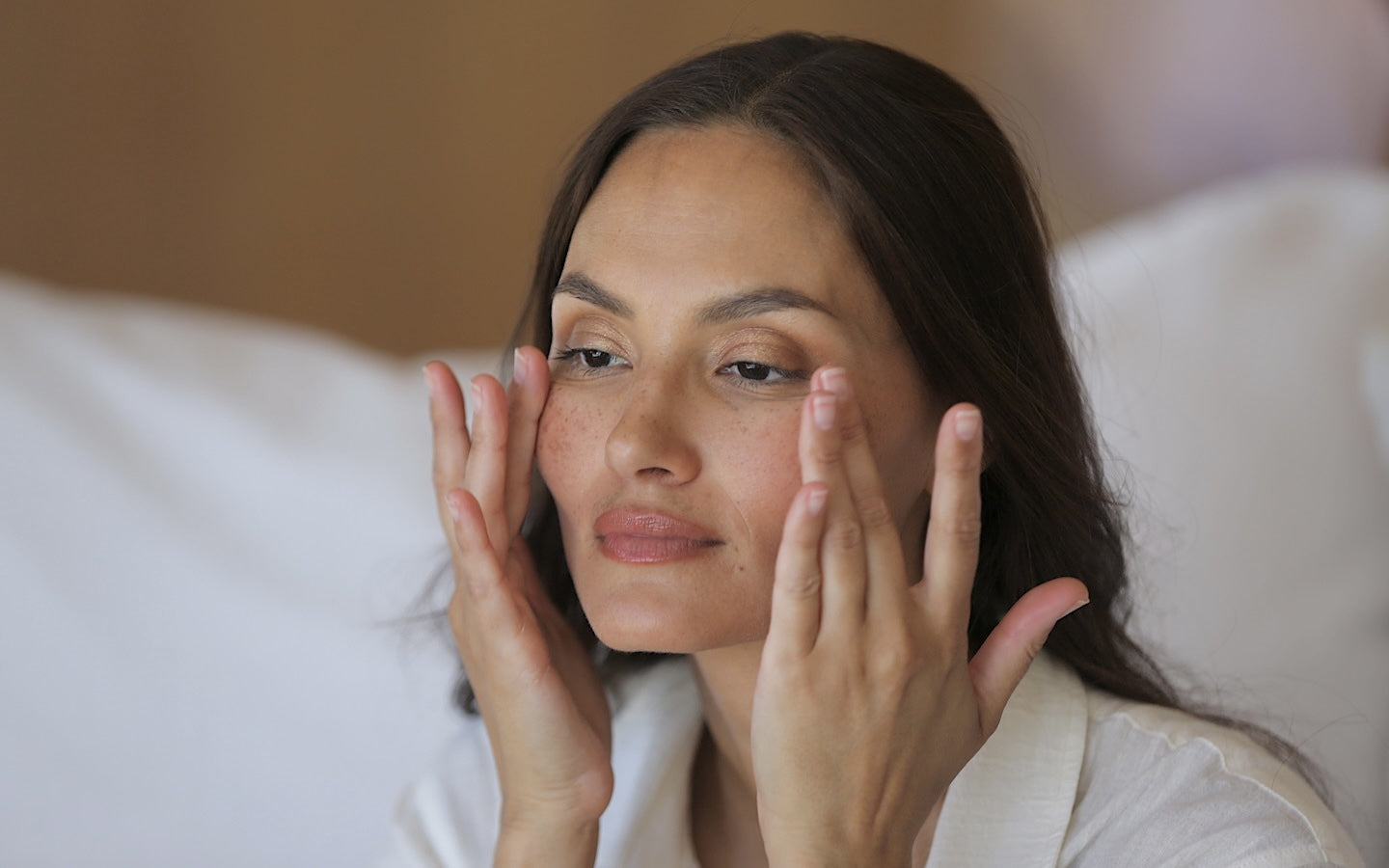
A consistent beauty and skin-care routine is more than a surface-level habit. Facial massage encourages blood flow, improves product absorption and enhances circulation in the skin’s upper layers - all recognised best practices for self-care.
These rituals help nourish epidermal cells and preserve collagen, supporting brighter, healthier-looking skin. Beyond aesthetics, rhythmic facial massage has been shown to reduce stress, lower cortisol levels and calm the nervous system - making it a powerful form of self-care for mental health.
Body massage combined with dry brushing supports circulation, lymphatic drainage and inflammation reduction. What may feel indulgent is, in fact, a restorative self-care practice with tangible health benefits.
Supplement rituals can also support a long-term self-care plan. Keratin supplements have been shown to improve hair strength, nail resilience and skin hydration. Beyond appearance, keratin is a key structural protein found in muscles and connective tissue.
Using a highly solubilised form of keratin such as Cynatine® HNS delivers added benefits. Within the LYMA Supplement formulation, Cynatine® HNS is combined with HydroCurc®, Vita-Algae D3, Sensoril® Ashwagandha and MenaQ7® Matrix - creating a full-body health Supplement and one of the best self-care gifts for those prioritising long-term wellbeing.
Intermittent fasting and building a self-care plan
Self-care extends beyond what we consume to when we consume it. Intermittent fasting is increasingly recognised as a structured self-care plan that supports focus, energy and metabolic health.
Allowing the body regular breaks from digestion supports cellular repair. This is why LYMA Director of Science Prof. Paul Clayton, PhD, advocates Time-Restricted Eating (TRE) as a sustainable self-care practice.
This rhythm aligns with mitochondrial circadian cycles. Irregular eating patterns, late-night snacking and constant grazing can disrupt these rhythms, increasing inflammation and contributing to chronic disease.
Self-care ideas: frequently asked questions

What are the best practices for self-care?
The best practices for self-care include consistent sleep routines, mindful movement such as yoga, balanced nutrition, stress management techniques and intentional daily rituals that support both physical and mental health.
How does self-care support mental health?
Self-care for mental health helps regulate the nervous system, reduce cortisol levels and improve emotional resilience. Practices such as breathwork, meditation and structured routines can significantly reduce stress and anxiety.
What is a good self-care plan?
A strong self-care plan combines movement, nourishment, rest and recovery. It should be realistic, repeatable and adaptable, focusing on habits that support long-term wellbeing rather than short-term fixes.
Are supplements good self-care gifts?
High-quality supplements can be thoughtful self-care gifts when they support foundational health. Products such as the LYMA Supplement combine scientifically backed ingredients that support both mind and body wellness.
Reframing vanity as intentional self-care reveals its deeper purpose. When a ritual improves confidence, creates calm or supports physical health, it becomes more than aesthetic - it becomes a meaningful investment in long-term wellbeing.
Learn more about our published clinical research.


