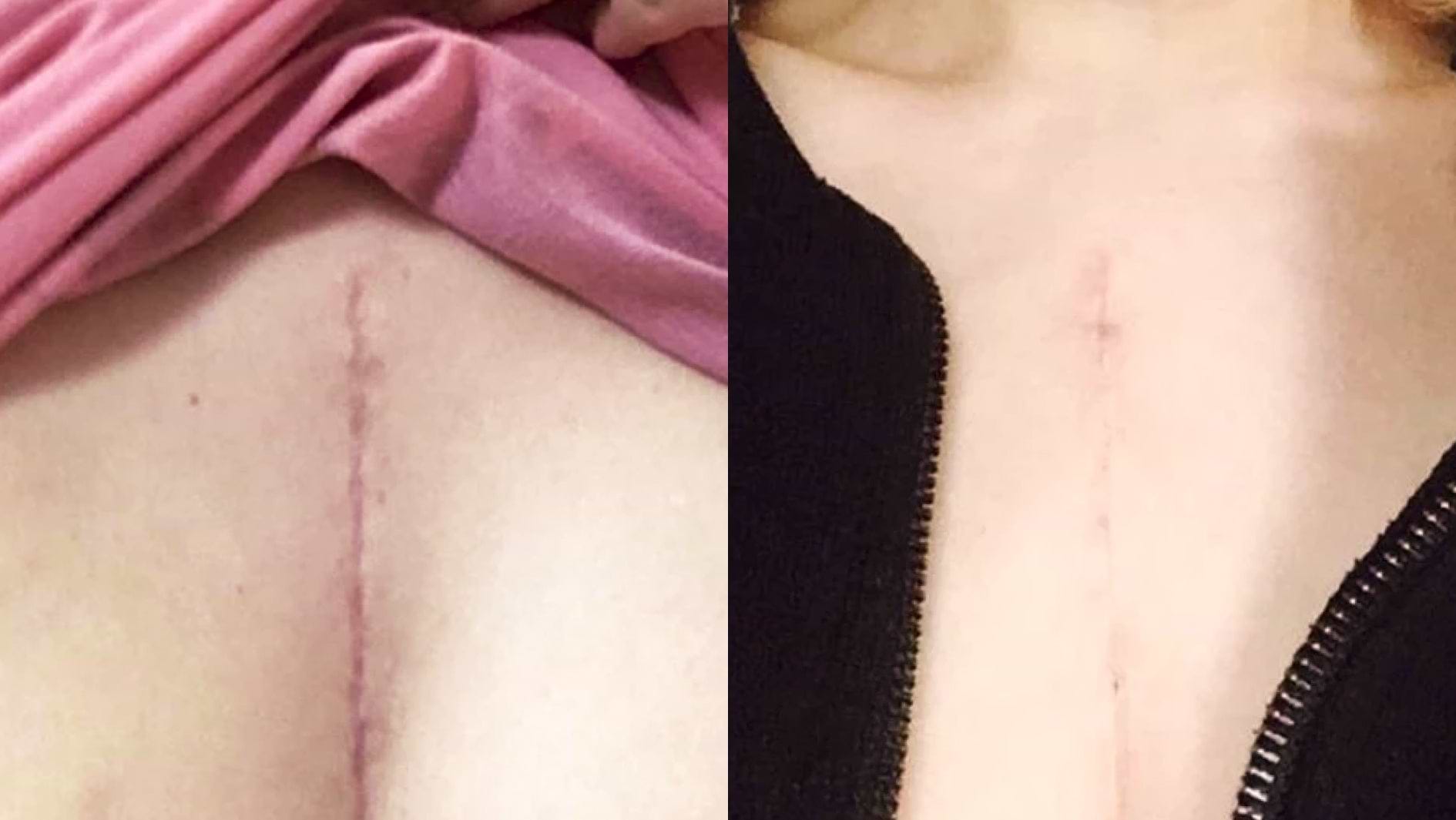
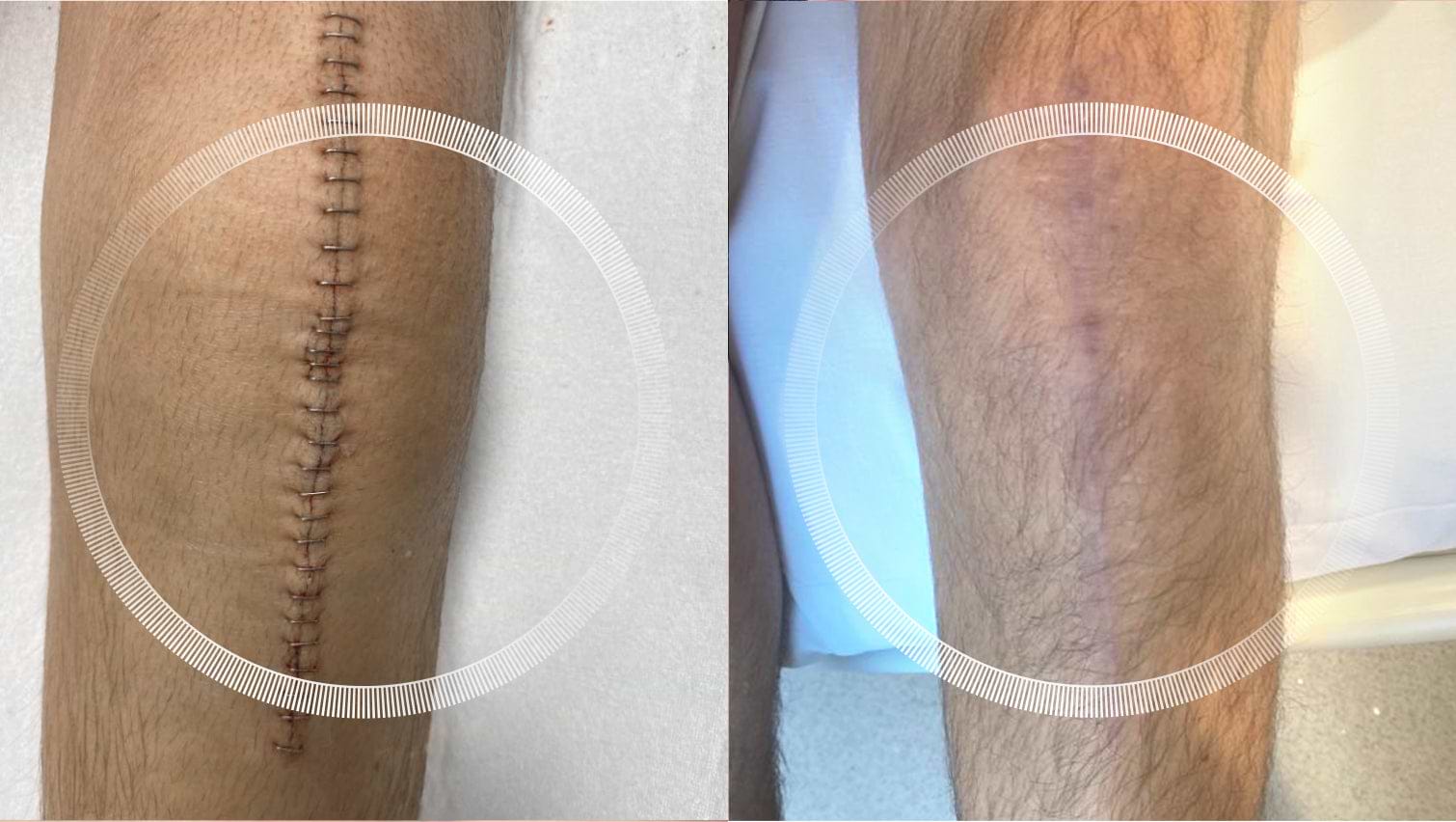
Transform your skin: Erase keloid scars with LYMA's revolutionary home laser treatment.
A keloid scar is an enlarged, overgrown scar that tends to be raised, dark, and often pink, red, or purple in colour. Keloid scars usually form in response to minor skin trauma such as blemishes or piercings. Unlike normal scars, they spread beyond the original injury site and can become very large.
Many people with keloid scarring find that their confidence suffers. Fortunately, low-level laser therapy offers new hope. The LYMA Laser System is the first clinic-grade at-home cosmetic device proven to transform keloid scars from raised and dark to flatter, smoother, and more comfortable.
The LYMA Laser can also be used on other scars, including acne scars and cesarean scars. It works safely and effectively across all skin tones - even the darkest complexions - with zero pain, downtime, or side effects.
What exactly is scarring?
Most of us have scars - from accidents, medical procedures, or childbirth. But what exactly causes scarring, and how does the LYMA Laser help reverse the process to leave skin smoother and healthier?
Scarring is the body’s natural repair mechanism after trauma. The process unfolds in three stages:
Step one: inflammation. Lasting a few days, inflammation activates the immune system and triggers skin repair.
Step two: proliferation. For about 28 days, cells multiply around the injury, forming scar tissue.
Step three: remodeling. After about a month, the scar remodels. Raised, red scars gradually soften and flatten. This process can continue for years, which is why scars fade with time.
A note on scarring and age
As you age and your skin loses collagen and resilience, new scars remodel more slowly and often look more severe. Even in your twenties, collagen and elastin production declines, meaning slower repair and longer-lasting scars.
Scar healing depends on cellular energy. Ageing weakens immune response, reduces nutrient delivery, and impairs circulation and oxygenation - all vital for cell repair. Nutrient support plays a role, but optimal fibroblast function is key.
Fibroblasts are the engines of skin repair. Without strong fibroblast activity, scar tissue forms poorly, leaving scars darker, raised, and textured.
Poor proliferation leads to more obvious keloid scars that spread beyond the trauma site.
How to use the LYMA Laser for keloid scars
The LYMA Laser offers a revolutionary at-home treatment to smooth and fade keloid scars within weeks. It re-energises skin cells from the inside out, evening out scar tissue and reducing pigmentation to blend with surrounding skin.
For best results, combine with LYMA Power Youth Mist & Mask. Use the laser for three minutes daily on each scar section. This accelerates healing by increasing nutrient supply, circulation, and oxygenation, visibly improving scars’ look and feel.
How LYMA technology heals scars
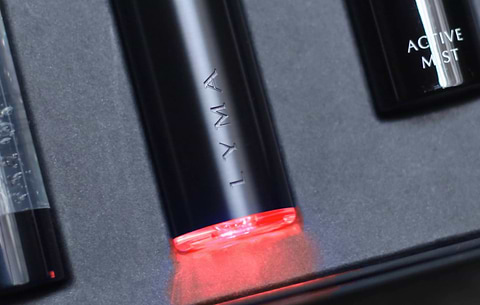
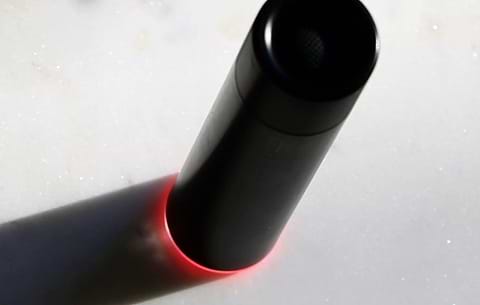
The LYMA Laser works across all three scar phases, directly stimulating fibroblasts via photobiomodulation. Its 500mW near-infrared beam penetrates safely into the dermis, reprogramming scar tissue development. The result: scars remodel flatter, smoother, and less visible.
See the results of LYMA Laser scar repair in these before-and-after images: