


Stress and sleep often matter more than any aphrodisiac. Here's what the evidence says.
The short answer: the strongest influences on libido usually aren't supplements at all. Stress and sleep are both closely linked to desire in women and men. Researchers have studied saffron, ashwagandha, maca and fenugreek in small trials, but most so-called aphrodisiacs have little evidence behind them, and some "sexual enhancement" products have been found to contain hidden prescription drugs. Here's what the research has actually looked at.
At a glance: the ingredients with the most clinical research in women are saffron, ashwagandha and maca, and fenugreek has also been studied in healthy women. In men, they're fenugreek, Panax ginseng and ashwagandha. Zinc and vitamin D matter mainly if your intake is low.
Below, we cover what lowers libido, the natural changes that make the biggest difference, which supplements have been studied, how to stay safe, and when to talk to your GP.
Jump to: What lowers libido · Natural ways to boost it · Studied for women · Studied for men · Safety · FAQs · When to see a GP

What causes low libido?
Libido rises and falls for almost everyone, and the reasons are usually ordinary: workload, family pressure, tiredness, relationship strain or low mood. Hormonal shifts play a part too, around menopause, after pregnancy, with some contraceptives, and as testosterone declines with age. Some medicines, including certain antidepressants and blood pressure tablets, are well-known causes.
Stress
Stress is one of the most consistent factors in the research. In a study of women, those with higher chronic stress had lower levels of sexual arousal, partly through higher cortisol, the body's main stress hormone. Men report similar effects. For more on how stress shows up in the body, read about cortisol and stress.
Sleep
In a study of women, each extra hour of sleep was linked with a 14% higher likelihood of sexual activity the next day. Poor sleep also lowers testosterone in men. Our guide to how much sleep you really need is a good place to start.
The strongest libido booster isn’t a pill: it’s lower stress and better sleep.
In other words, the strongest libido booster isn't a pill: it's lower stress and better sleep.
Natural ways to increase libido
Before any supplement, these make the most difference. Protect seven or more hours of sleep. Exercise regularly, which improves mood, body confidence and circulation. Cut back on alcohol, which lowers arousal and performance even when it lowers inhibitions. Find a stress outlet that works for you, from walking to breathing exercises. And talk: mismatched desire is one of the most common issues couples face, and naming it often helps more than anything you can take.

Which supplements have been studied for female libido?
There's no single female libido supplement, but three ingredients have more clinical research in women than the rest.
Saffron
Saffron is the most-studied spice in this area. Small trials have measured desire and arousal in women, many of them in women taking antidepressants; there's less research in healthy women. Read more about saffron.
Ashwagandha
Most ashwagandha research focuses on stress, and one eight-week trial in women measured sexual function scores against a placebo. It isn't suitable for everyone; see our ashwagandha guide for who should avoid it.
Maca root
Maca, a root vegetable from the Peruvian Andes, has a long folk reputation as an aphrodisiac. Small trials have looked at sexual desire in women after menopause and women taking antidepressants, but the studies are few.
Which supplements have been studied for male libido?
Fenugreek
Fenugreek seed extract has been studied mainly in men, in small trials lasting six to twelve weeks. One placebo-controlled trial has also looked at desire and arousal in healthy women.
Panax ginseng
Korean red ginseng has been studied for sexual function, mostly in men. It can interact with blood-thinning and diabetes medicines, so check with your GP or pharmacist first.
Zinc
Zinc contributes to the maintenance of normal testosterone levels in the blood. If your zinc intake is already adequate, extra won't make a difference, and long-term high doses can cause problems. Oysters, meat, seeds and beans are good food sources.
Vitamin D and libido in women and men
Low vitamin D has been linked with lower sexual function in observational studies of both women and men. Supplements won't boost libido if your levels are already normal, but correcting a shortfall can matter. A blood test is the only way to know.
Which libido supplements don’t have good evidence?
Horny goat weed and most "aphrodisiac" foods, from oysters to chocolate, have little reliable human evidence. Tribulus is popular with men, but trials haven't shown that it raises testosterone. Around menopause, falling hormone levels are a common cause of changing desire, and your GP can talk you through the options.
Are libido supplements safe?
Be wary of products sold as "sexual enhancement" supplements. Regulators, including the US Food and Drug Administration, have repeatedly found them to contain hidden prescription drugs, which can interact dangerously with heart medicines. Choose brands that name their ingredients and doses, avoid anything promising instant effects, and check with your GP or pharmacist if you take regular medication, are pregnant or breastfeeding.
Where the LYMA Supplement fits in
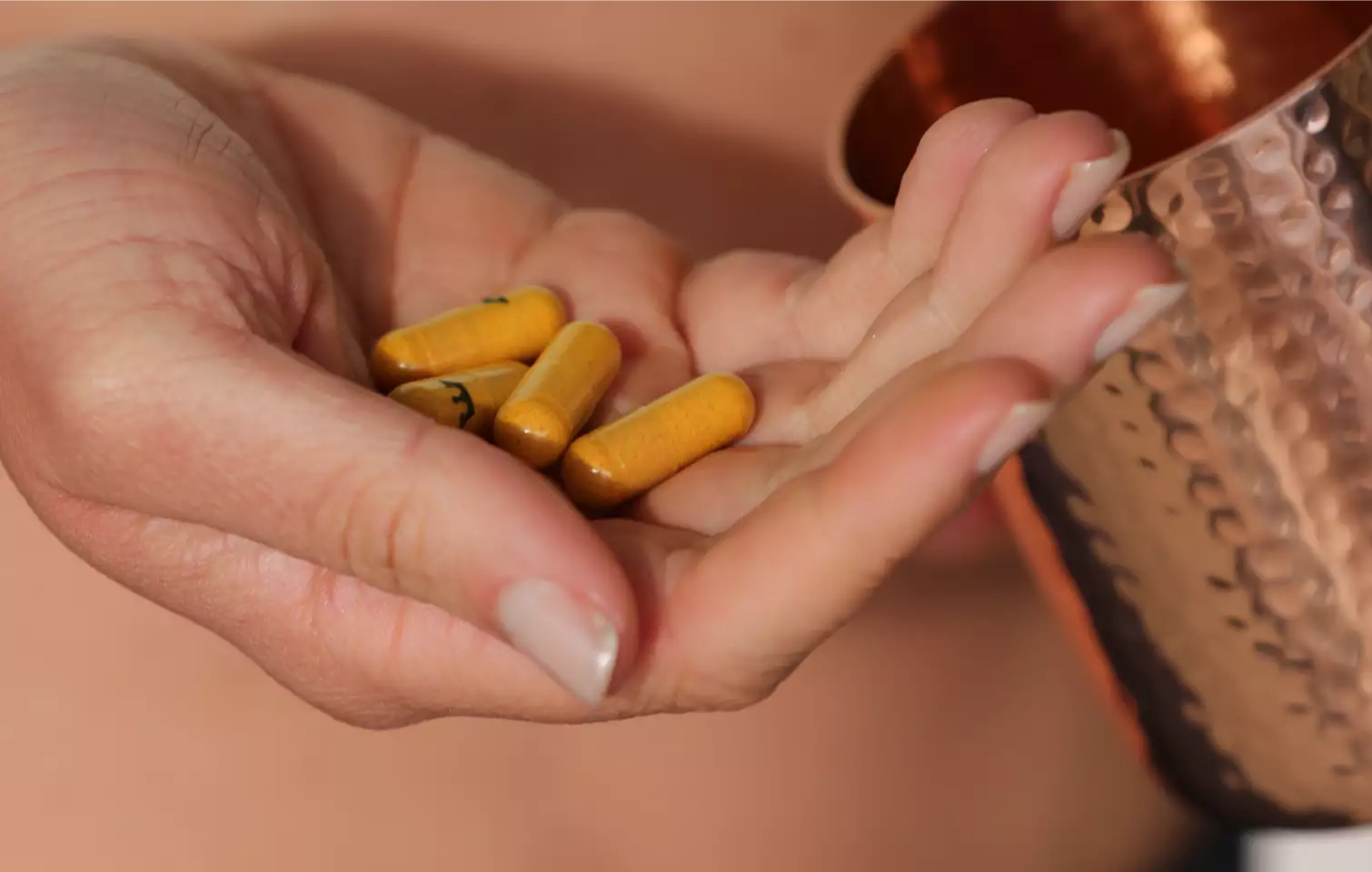
LYMA isn't a libido supplement. Its eleven patented ingredients include 250mg of Sensoril® ashwagandha, 28mg of affron® saffron, 2,000 IU of Vita-algae D3™ and Cognizin® citicoline. The daily dose is four capsules with breakfast.
Libido supplements: your questions answered
Do libido supplements work?
The research is small and mixed. Saffron, ashwagandha and maca have been studied most in women, and fenugreek and ginseng in men. Stress, sleep and underlying health issues usually matter more.
What is the best libido booster for women?
There's no single answer. Saffron has the most research in women, followed by ashwagandha and maca, and sleep and stress play a major role for almost everyone.
How long do libido supplements take to work?
Most trials ran for four to twelve weeks. Products promising same-day effects should be treated with caution.
What vitamins help with sex drive in women?
No vitamin raises libido on its own, but low vitamin D or iron can leave you tired and flat, which affects desire. If you're low, correcting it is worthwhile.
Does stress really lower sex drive?
Yes. Stress is one of the most consistent factors linked with low desire and arousal in both women and men.
When to see a GP
See your GP if a change in libido is persistent or distressing, started after a new medicine, comes with pain during sex, or is linked to menopause symptoms. Erection problems can sometimes be an early sign of heart or circulation problems, so they're always worth mentioning. There are effective treatments, and it's a conversation doctors have every day.
The bottom line
A lower libido is common and usually has everyday causes. Start with sleep, stress, alcohol and honest conversation; consider well-studied ingredients such as saffron or ashwagandha; avoid anything that promises instant results; and talk to your GP if it persists.
Small daily habits, kept consistently, often make the biggest difference.
*Always consult your medical professional if you have a medical condition, or existing health protocol, before beginning any new supplementation regime.
References
Hamilton LD, Meston CM. Chronic stress and sexual function in women. J Sex Med. 2013;10(10):2443–2454.
Kalmbach DA et al. The impact of sleep on female sexual response and behavior: a pilot study. J Sex Med. 2015;12(5):1221–1232.
Maleki-Saghooni N et al. The effectiveness of saffron (Crocus sativus L.) on sexual dysfunction: a systematic review. Avicenna J Phytomed. 2018;8(3):198–209.
Dongre S, Langade D, Bhattacharyya S. Efficacy and safety of ashwagandha (Withania somnifera) root extract in improving sexual function in women: a pilot study. Biomed Res Int. 2015;2015:284154.
Shin BC et al. Maca (L. meyenii) for improving sexual function: a systematic review. BMC Complement Altern Med. 2010;10:44.
Dording CM et al. A double-blind placebo-controlled trial of maca root as treatment for antidepressant-induced sexual dysfunction in women. Evid Based Complement Alternat Med. 2015;2015:949036.
Prasad AS et al. Zinc status and serum testosterone levels of healthy adults. Nutrition. 1996;12(5):344–348.
Rao A et al. Influence of a specialized Trigonella foenum-graecum seed extract (Libifem) on testosterone, estradiol and sexual function in healthy menstruating women: a randomised placebo controlled study. Phytother Res. 2015;29(8):1123–1130.
Steels E, Rao A, Vitetta L. Physiological aspects of male libido enhanced by standardized Trigonella foenum-graecum extract and mineral formulation. Phytother Res. 2011;25(9):1294–1300.
U.S. Food and Drug Administration. Tainted sexual enhancement products.


