

A laser device has changed the game for at-home scar removal treatment.
Over 20 million people in the UK are negatively impacted – either physically or emotionally – by scarring that serves as a constant reminder of pain, illness, or trauma. Yet there is still a profound lack of public awareness around the toll scars take, and a severe shortage of effective at-home treatments to minimise them.
See the visible transformation in Jenny’s skin: this before-and-after shows softening of a surgical chest scar after 6 months of daily 15-minute LYMA Laser treatments:
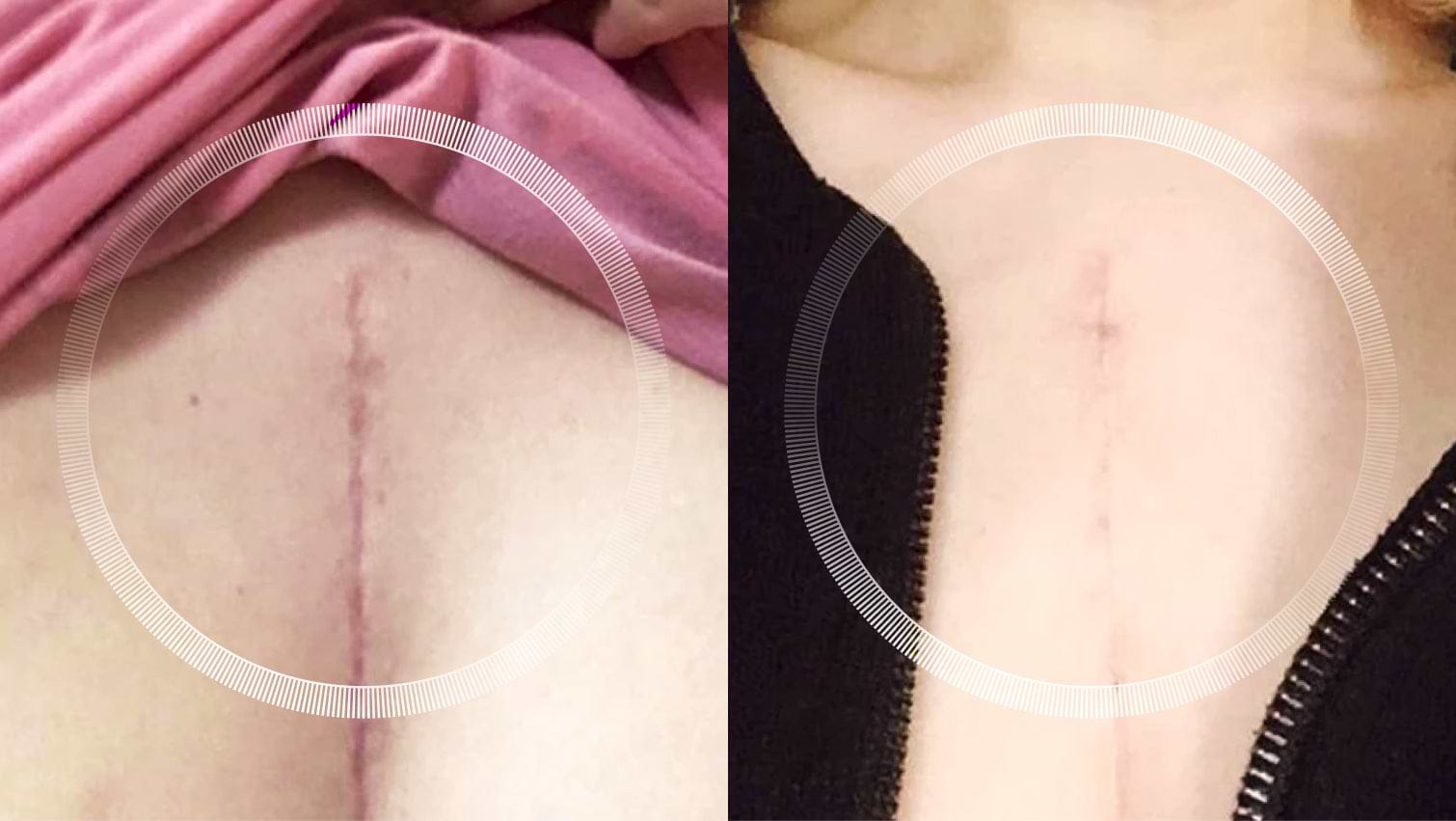
Until now, it wasn’t possible to safely remove or reduce scars at home, particularly with devices suitable for darker skin tones as well as lighter ones. While lasers have long been the gold standard for scar removal in-clinic, the LYMA Laser is the first device proven effective across all tones, safe to use daily at home.
The LYMA Laser delivers clinic-grade performance in a portable, painless, and powerful device designed for at-home use. It transforms scars effectively and safely, without pain or downtime.
Jenny shares her story on how she reduced her surgical scar thanks to the LYMA Laser:
The process of scarring
Scarring is the body’s natural repair mechanism after trauma or injury. The process has three stages:
- Inflammation: Lasts a few days and initiates the repair process.
- Proliferation: New cells form scar tissue for around 28 days.
- Remodeling: Scar tissue softens from raised and red into flatter, paler tissue over months or years (keloid scars can persist longer).
As we age, scarring becomes more pronounced due to reduced collagen and elastin production, slower fibroblast activity, impaired circulation, and insufficient oxygen supply (collagen loss + nutrient decline both play key roles).
See how the LYMA Laser faded facelift scars behind the ears after consistent use:
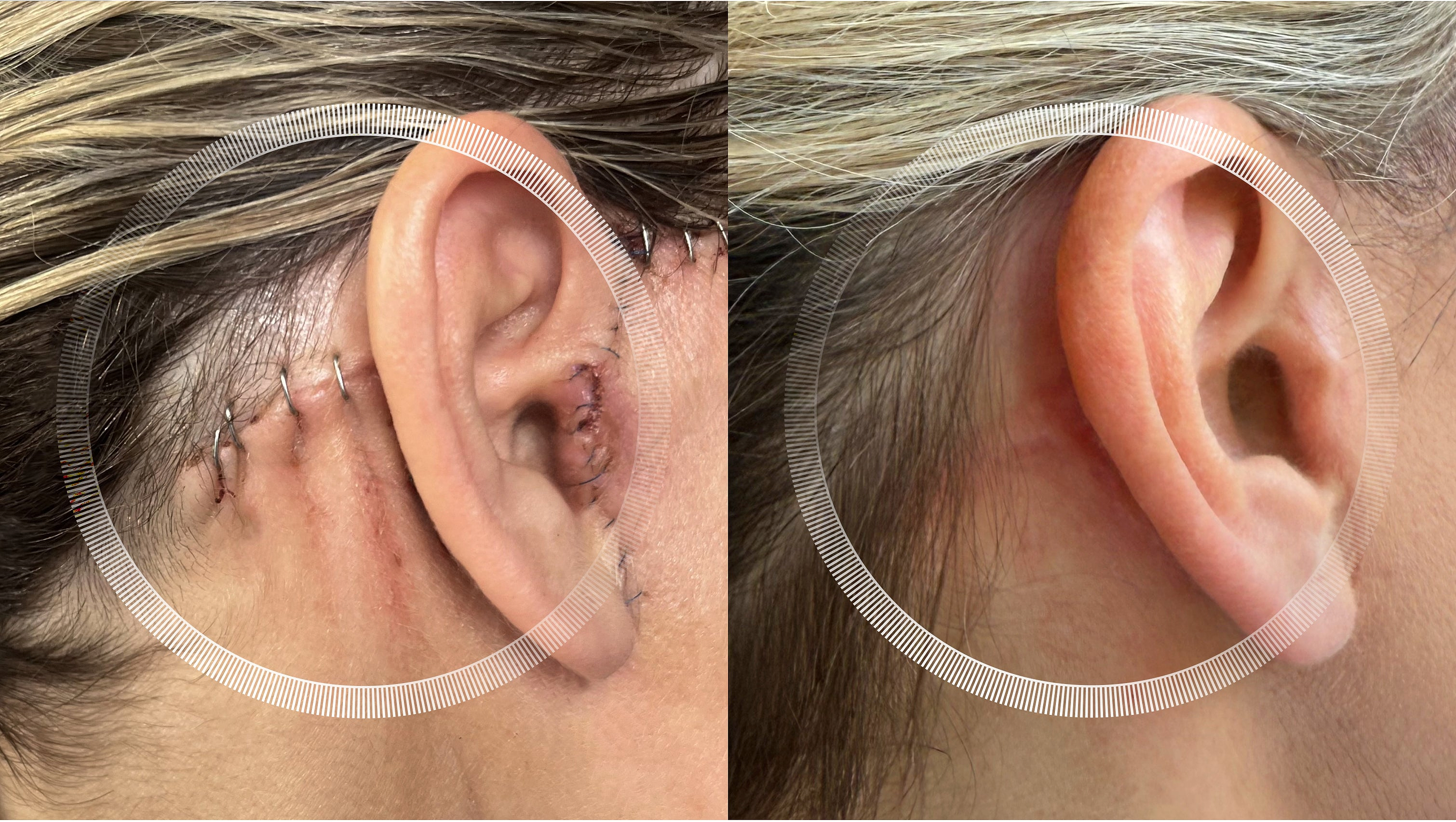
How the LYMA Laser works on scars
The LYMA Laser harnesses photobiomodulation: a near-infrared beam diffused 25,000 times to stimulate fibroblasts, improve circulation, and fuel tissue repair without heat or damage.
Daily use (3 minutes per section for two months) accelerates all three phases of scar remodeling, resulting in smoother, less visible scars. Combined with LYMA Power Youth Mist & Mask, powered by Active Stabilized Oxygen (ASO®) technology and engineered to amplify the remarkable results of the LYMA Laser, the protocol supports cellular renewal and collagen regeneration.
Before-and-after: mini facelift scars behind the ears, visibly reduced by the LYMA Laser:
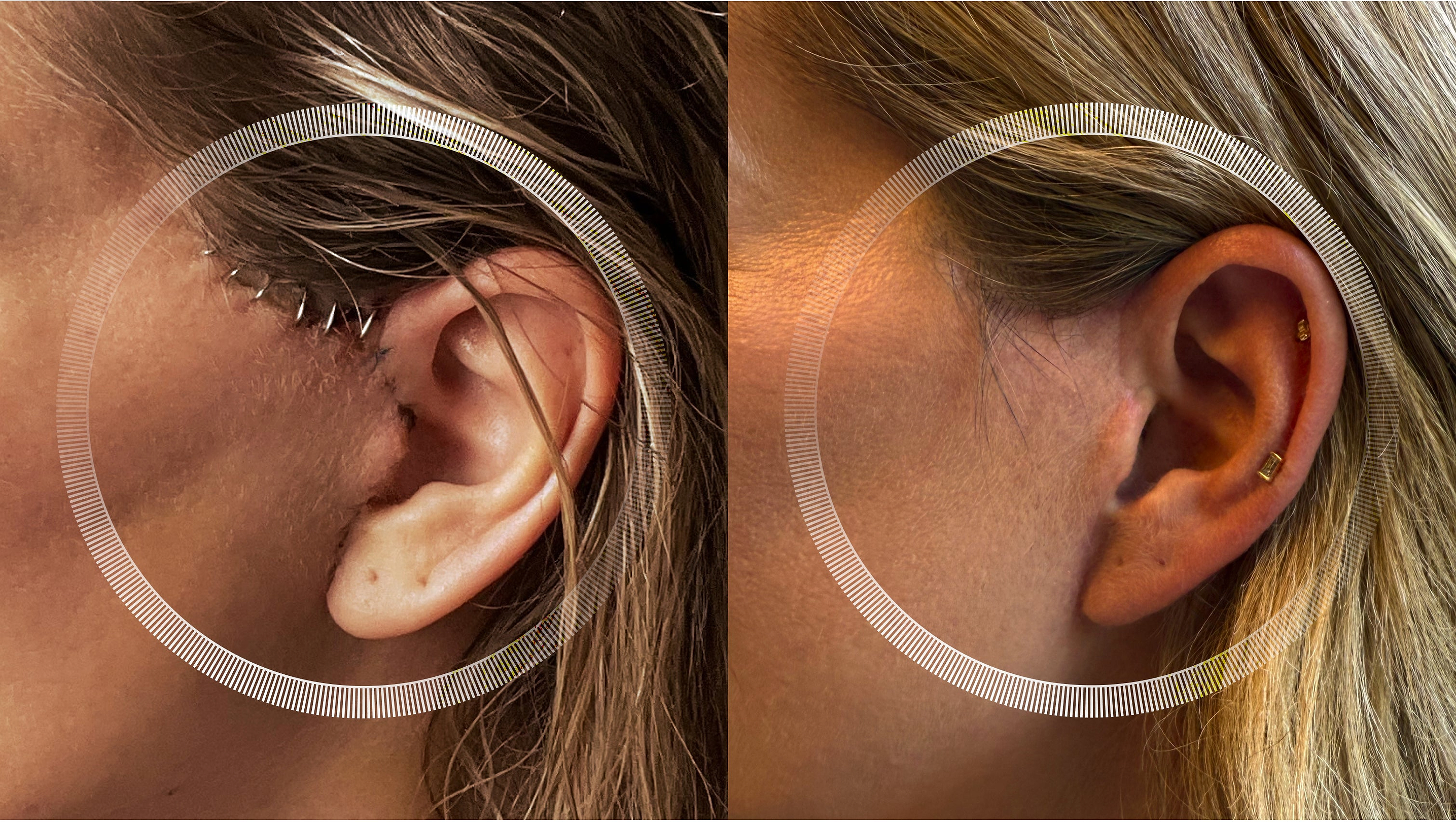
Acne scars: atrophic, hypertrophic & keloid
Acne scars fall into two main categories: atrophic (depressions) and hypertrophic (raised). Atrophic scars include:
- Ice Pick: Narrow, deep scars that resemble puncture marks.
- Boxcar: Broad, sharp-edged scars often on cheeks and temples.
- Rolling: Wide depressions with wavy edges caused by deeper tissue damage.
See acne scar reduction after 30 minutes a day for 3 months with LYMA Laser:
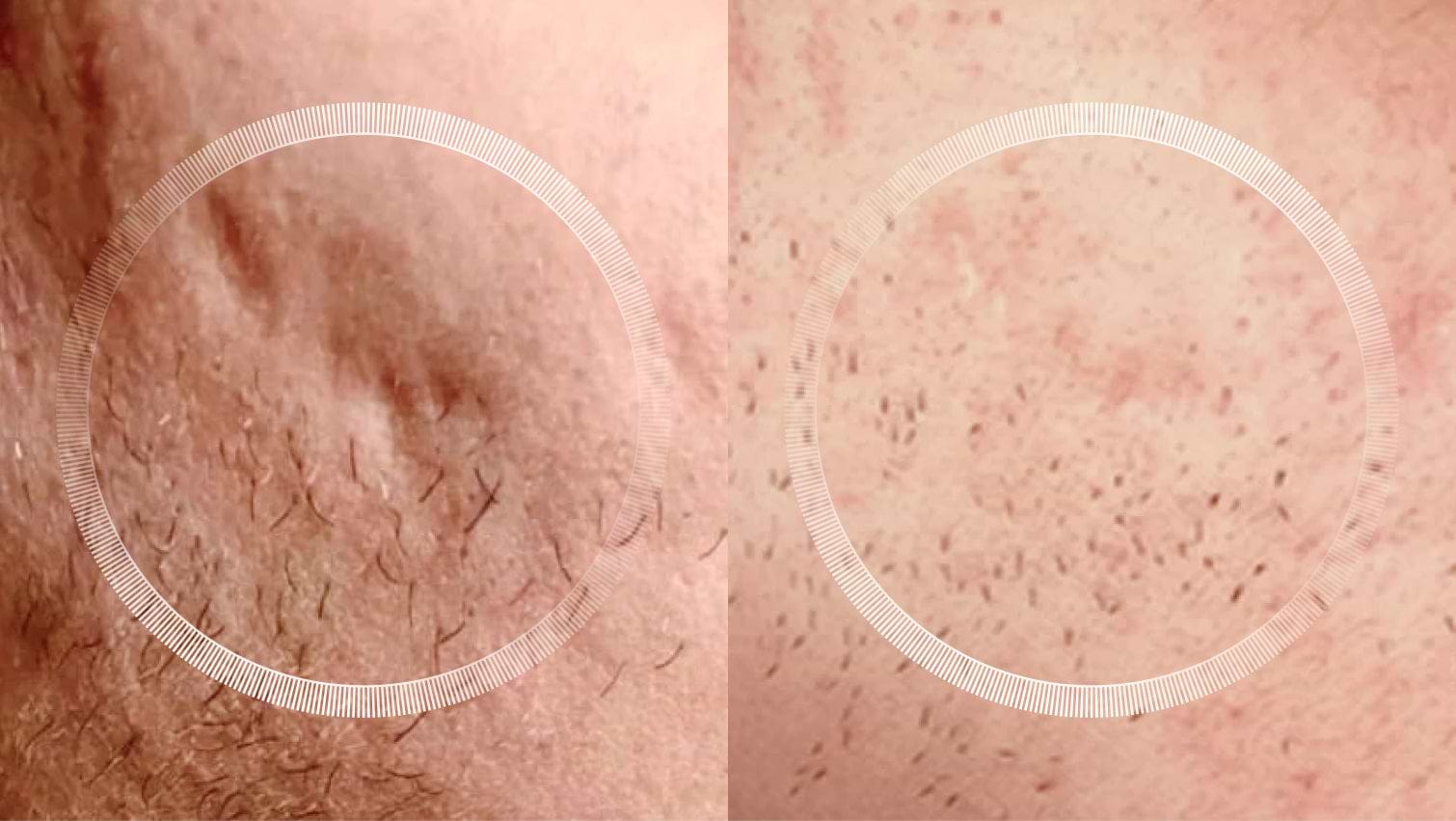
Raised acne scars include:
- Hypertrophic: Firm, raised scars that remain within wound boundaries.
- Keloid: Raised, thickened scars that spread beyond the original wound, often seen on chest, back, and shoulders.
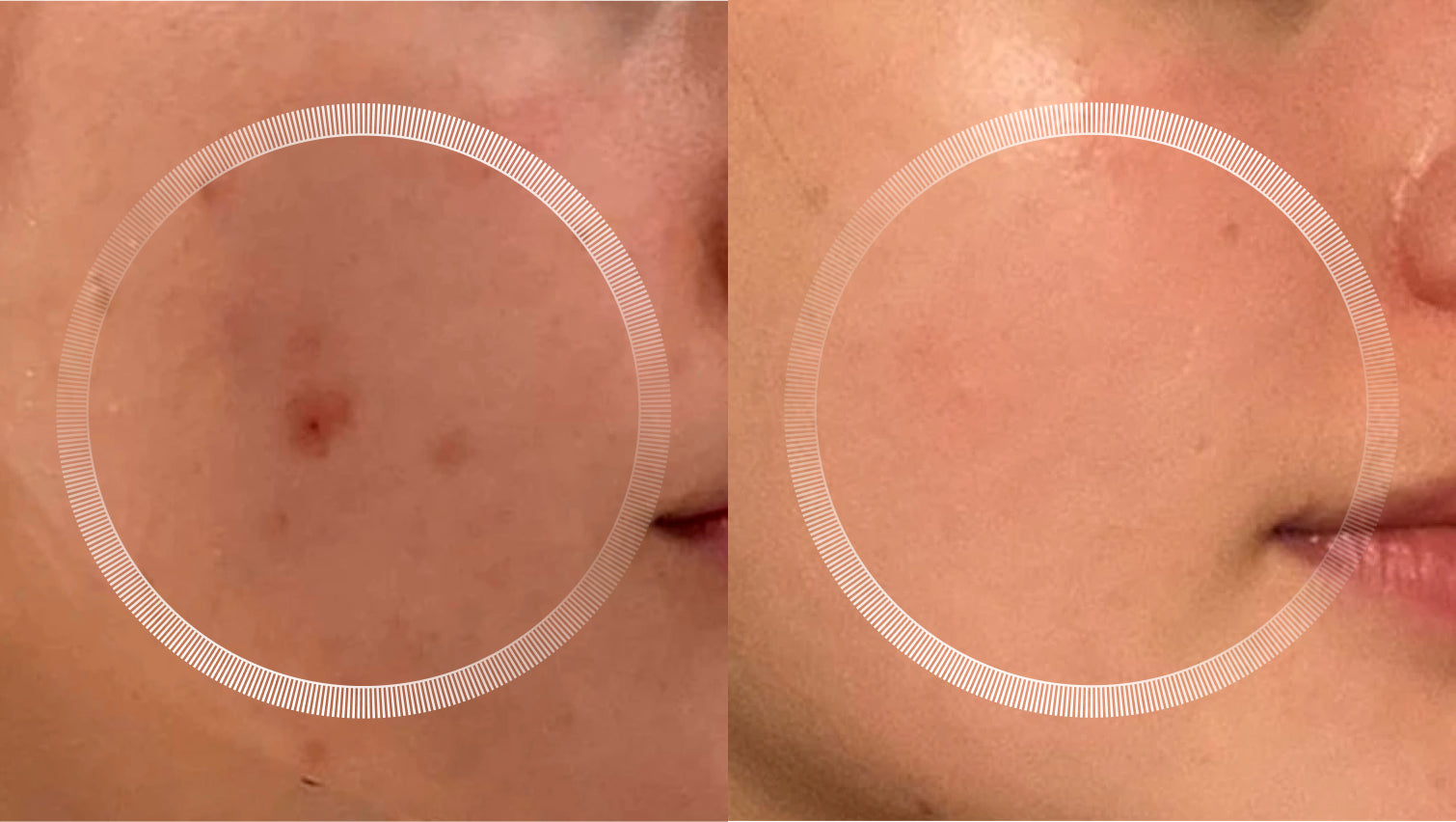
See reduction in blemishes and scars after 20 minutes daily for 4 months with LYMA Laser:
Treatment strategies for pimple scars
- Laser Treatments: In-clinic lasers resurface skin and remodel collagen but can be costly and invasive. The LYMA Laser offers a painless, clinic-grade at-home solution.
- Consult a Dermatologist: Essential for severe or complex scarring.
- Topical Treatments: Retinoids, AHAs, and vitamin C for mild atrophic scars.
- Chemical Peels: Gentle exfoliation for superficial scarring and discolouration.
- Microneedling: Stimulates collagen with micro-injuries.
- Dermal Fillers: Elevate depressed scars temporarily.
- Steroid Injections: Flatten raised scars like keloids.
- Surgical Options: Punch excision or subcision for severe scarring.
- Sun Protection: Prevents pigmentation and supports healing.
- Consistency: Scar reduction takes time and discipline for visible results.
While complete scar removal may not always be possible, consistent LYMA Laser use alongside dermatologist guidance can significantly improve skin texture, reduce scar visibility, and restore confidence.


