

Single, triple or quad weight HA: why the difference changes how your skin hydrates.
Hyaluronic acid (HA) serums are no longer nice-to-haves, but must-haves - a hero beauty staple. They plump and hydrate skin without leaving it feeling oily, increase elasticity and visibly smooth the appearance of fine lines.
Our bodies produce less hyaluronic acid as we age, leading to fine lines and wrinkles - so anyone can benefit from incorporating a HA serum into their routine.
And it would be difficult not to these days: hyaluronic acid appears in serums, moisturisers, eye creams and sheet masks at every price point, from high-street pharmacies to prestige counters. That ubiquity has created a useful shorthand - if it contains hyaluronic acid, it must be hydrating - and one significant misconception: that all hyaluronic acid works in the same way, regardless of formulation.
It does not. The best analogy is to think of it like a miniature sponge that absorbs water, drawing it into the skin and holding it there to give your complexion a plump, firm appearance. The size of that sponge - the molecular weight of the hyaluronic acid - determines how deeply it can travel, and therefore what it actually does once applied. A single-weight formulation can only ever work at one depth.
Single vs triple vs quad: what's the practical difference
A single weight sits where it lands. A triple-weight system works at three depths at once, so the result lasts longer and visibly improves over weeks rather than hours. A quad-weight system adds a fourth, ultra-low weight that reaches deeper still.
The foundation of LYMA's approach is to pair two hyaluronic acid weights; an ultra-low weight HA that works within skin's deeper layers, and an acetylated HA for instant surface plumping. The more depths you hydrate simultaneously, the more complete - and the more lasting - the result. It's a claim few single-weight serums can make.
Here's why that matters - and the science behind how to choose.
What is hyaluronic acid - and what does a serum actually do?
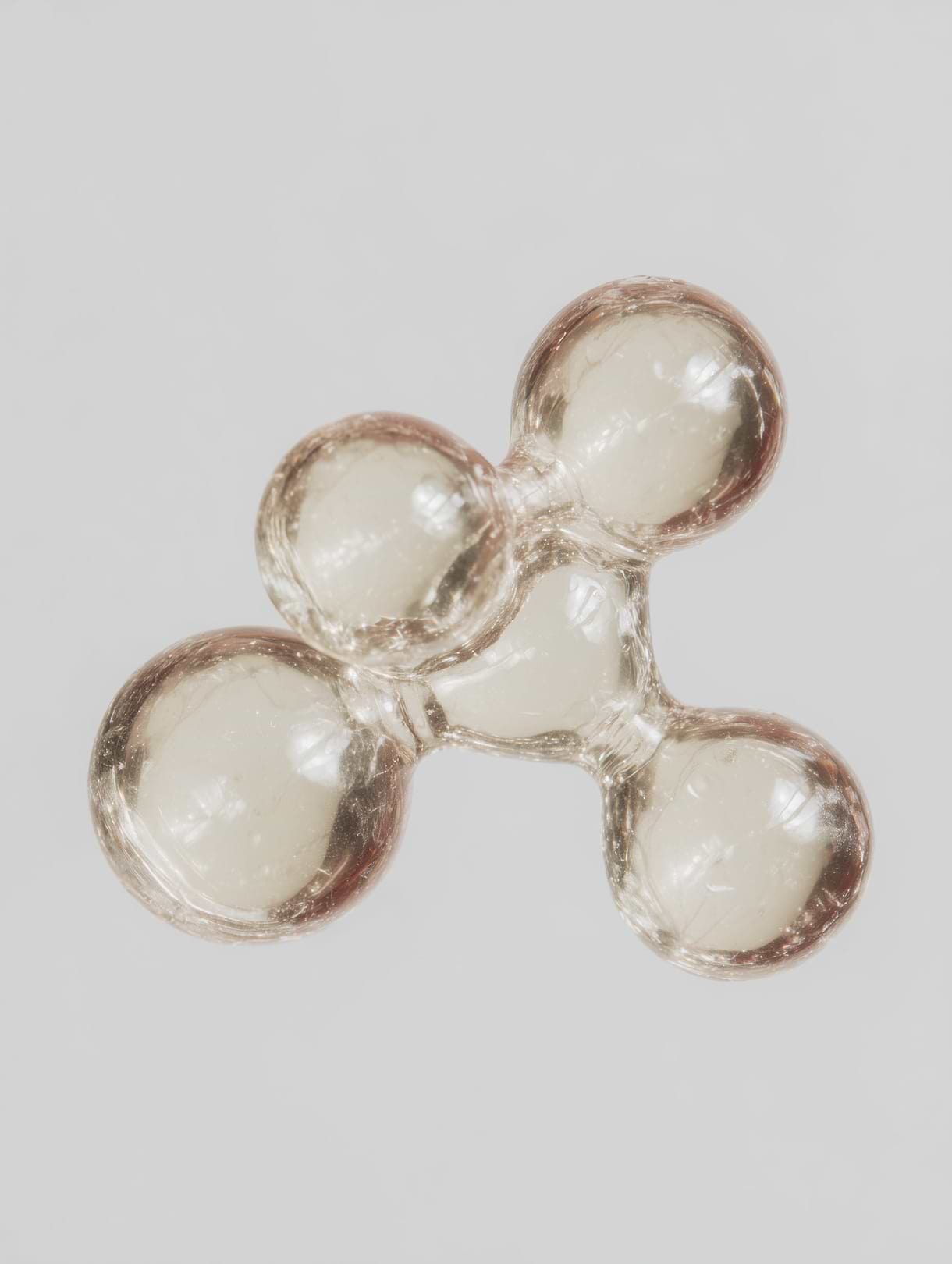
HA is a naturally occurring molecule found throughout the body, in the skin, the joints, the connective tissue. Its defining quality is an extraordinary thirst for water: a single molecule can hold many times its own weight in moisture. In the skin, it is one of the primary components behind the plump, dewy look associated with well-hydrated, youthful-looking skin.
The skin's natural hyaluronic acid declines with age, worn down further by environmental stress, over-cleansing and barrier disruption.
A topical hyaluronic acid serum is designed to make up the difference, delivering HA to the skin to draw moisture in and restore the visible hydration that's being lost.
But not all of that hydration lands in the same place. Where it goes - and how long it stays - comes down to one thing: the molecular weight of the hyaluronic acid being used.
Why your hyaluronic acid serum might not be working
If you've tried a hyaluronic acid serum and come away underwhelmed - skin that feels smoother for an hour or two, then tightens back into dryness - the molecular weight is almost certainly the reason. Most serums on the market rely on a single, high-molecular-weight form of HA. It sits on the surface, where it creates an immediate plumping effect you can see and feel. What it doesn't do is go any deeper.
And surface hydration is fleeting. In a dry, low-humidity room, high-molecular-weight HA applied without a moisturiser to seal it in can pull moisture up from the skin's deeper layers towards the surface, where it simply evaporates, leaving skin feeling drier than it did to begin with. It's why how you apply a serum matters, and why how deep it's formulated to work matters more.
There's a second reason these serums fall short: they only ever reach the surface. The deeper layers are left untouched, and surface plumping, however instant, doesn't build on itself. The kind of suppleness that improves week on week depends on hydration reaching further down.
Single, triple, or quad weight: the definitions to guide your choice
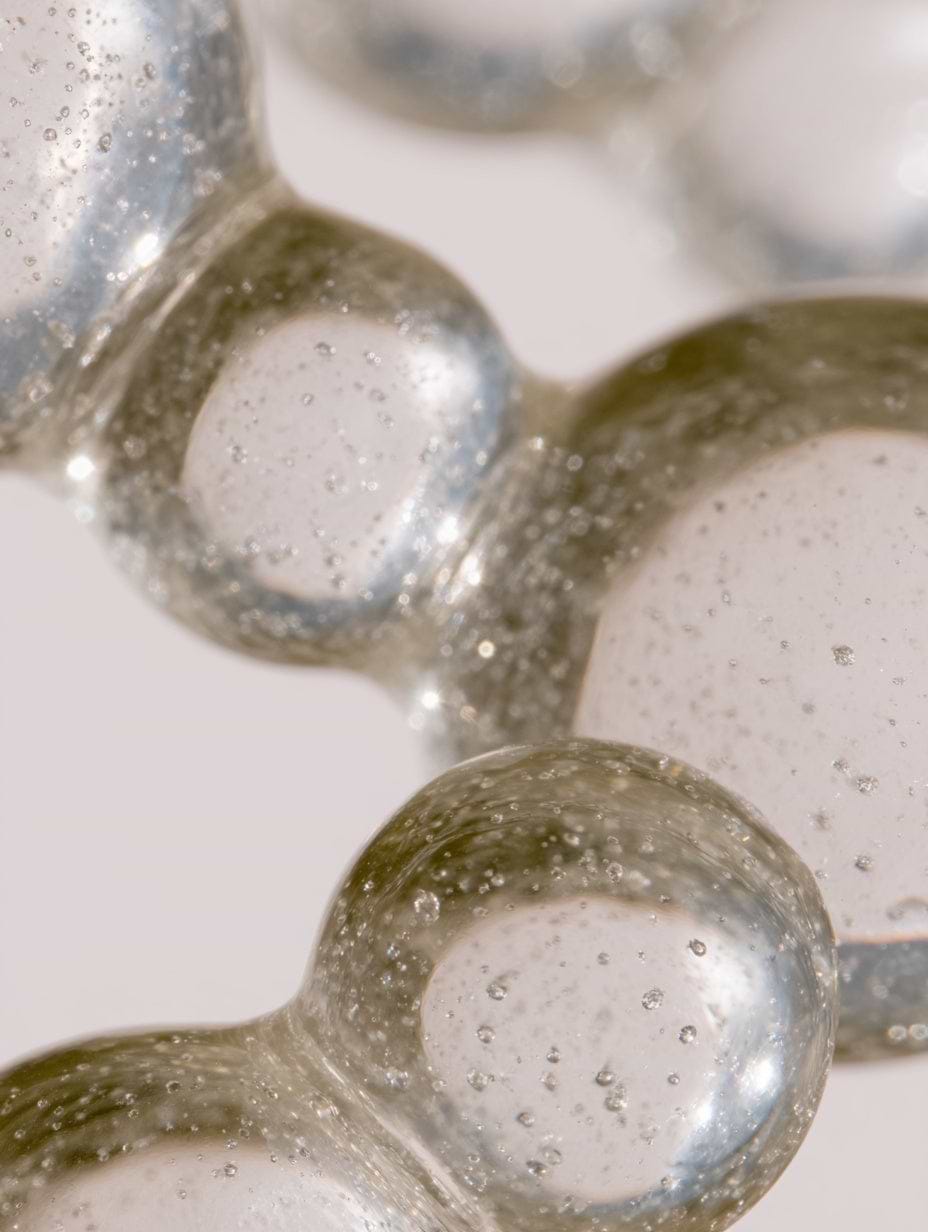
The molecular weight of hyaluronic acid determines its penetration depth. Here is what each level delivers:
High molecular weight. The largest molecule, and the one that stays at the surface. It delivers that instant hit of plumping - skin looks dewy, feels smooth and the moment it goes on it forms a light film that helps slow water loss from the surface. This is the weight behind the 'glass skin' effect: striking straight away, but shallow and short-lived.
Medium molecular weight. Smaller, so it settles into the outer layers of the stratum corneum. It acts as a bridge between surface hydration and the layers beneath, carrying the effect well past the first few hours. Skin holds its glow noticeably longer than it would with a surface-only serum.
Low molecular weight. Smaller still, reaching deeper into the epidermis. Here it hydrates the layers that give skin its lasting suppleness, rather than a quick surface smoothness. The improvement builds with use - this is the weight behind the steady change people start to notice after a few weeks.
Ultra-low molecular weight (the fourth weight). The molecule that sets a quad-weight system apart from a triple. Finest of all, it travels furthest - to the deepest layers of the epidermis, the boundary where skin's long-term capacity to hold water is set. It's a depth most triple-weight systems aren't formulated to reach. The difference isn't instant; it's the kind that surfaces gradually and stays, because it works on deep-seated dehydration rather than its surface symptoms.
Why LYMA Power Youth Skincare pairs multi-depth serum technology with a four-weight hyaluronic acid cream
LYMA built its hydration around a simple principle: the more depths you reach at once, the better - and longer - skin holds onto moisture. That's why LYMA Power Youth Skincare doesn't rely on a single weight of hyaluronic acid the way most serums do.
It helps to see what each approach delivers. A single-weight serum works at one depth only. The surface result can be striking, but it doesn't build - the deeper layers, where lasting suppleness comes from, stay under-hydrated, and the visible plumping fades as the surface film evaporates. A triple-weight formulation is a real step up: surface plumping, mid-epidermal hydration and deeper epidermal support work together for a result that lasts longer and visibly improves over weeks rather than hours. And a four-weight formulation goes further still, adding the ultra-low weight that reaches the deepest layers of the epidermis - depth a triple-weight formulation isn't designed to touch.
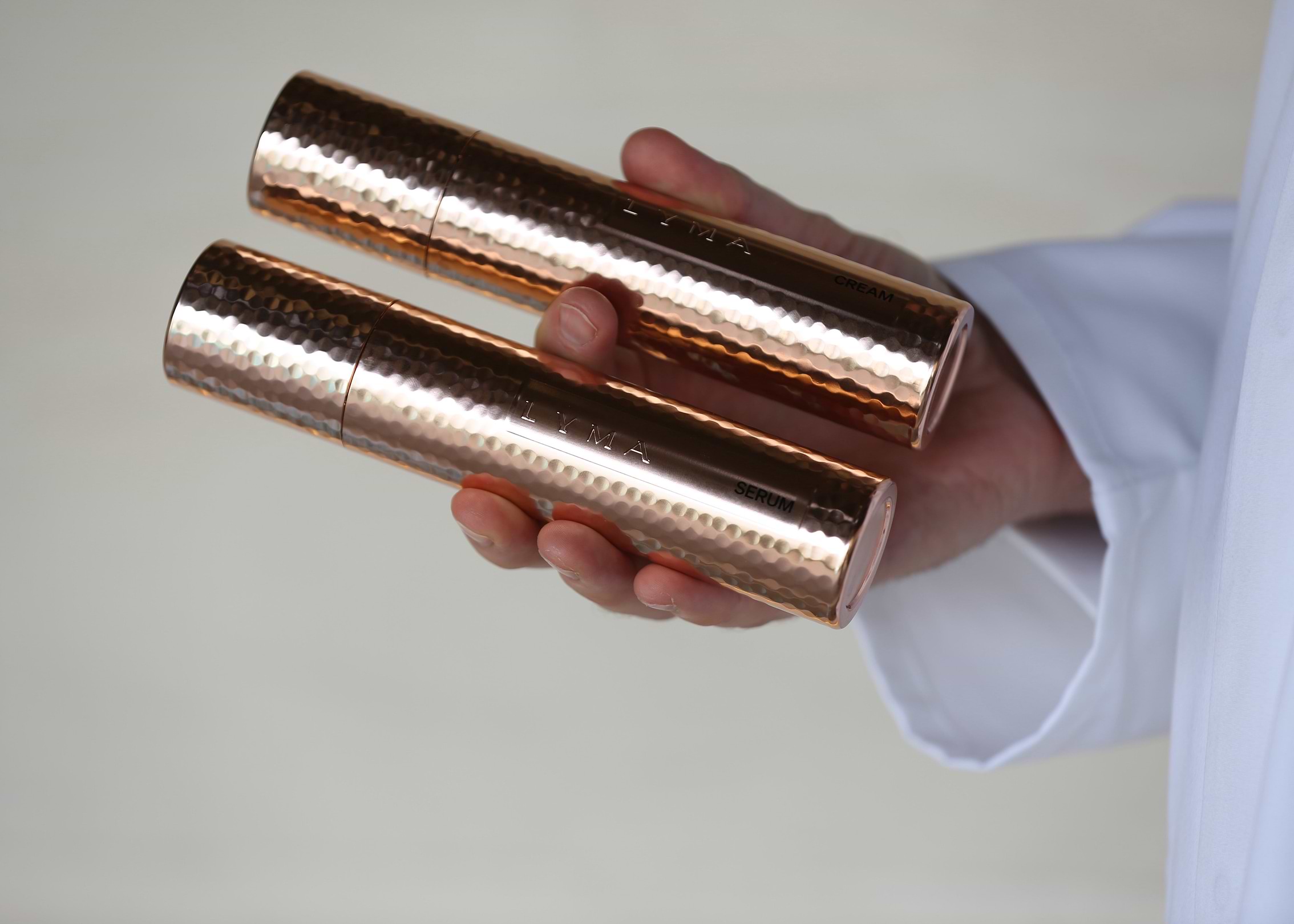
LYMA uses both. The Power Youth Serum pairs two hyaluronic acid weights - an ultra-low weight HA that works within skin's deeper layers, and an acetylated HA for instant surface plumping - with microalgae-derived exosome technology and a targeted peptide delivery system, so hydration works across skin's layers rather than at just one.
"In an independent clinical study of 30 women aged 35–65, using the Serum and Cream together improved skin elasticity by up to 50.2% over 28 days, measured by Cutometer."
Average +5.5%; 60% of women improved. 28-day data; final figures to be confirmed against the completed trial report before publication.
You can explore the technology behind this approach on the science behind LYMA.
When and how to use hyaluronic acid serum for maximum effect
This is where the right formulation and the right technique meet - and where a lot of people quietly undo their own results.
Apply to damp skin. Hyaluronic acid works by drawing moisture towards itself. On dry skin in a low-humidity room, it draws that moisture from the deeper layers of your own skin rather than from the air - which, over time, can leave skin feeling drier instead of more hydrated. So smooth it on straight after cleansing, before skin has fully dried, or mist your face lightly first.
Always seal with a moisturiser. The Power Youth Serum delivers the hydration; the moisturiser locks it in. Skip it, and the HA you've just applied evaporates along with the surface moisture it has drawn up. A barrier-sealing cream - particularly one with ceramides or peptides - is what turns a fleeting surface effect into hydration that lasts.
Morning and evening. Hyaluronic acid serums can be used twice a day: before SPF in the morning, before your night cream or oil in the evening. It plays well with everything, too - there are no interactions to worry about, and HA layers happily under vitamin C, retinoids and niacinamide.
Give it time. You'll see surface improvements within days. The deeper, progressive suppleness that comes from a multi-weight formulation usually becomes clear at around three to four weeks. Single-weight serums plateau quickly; multi-weight systems keep building.
For more on building a hydration-focused skincare routine, visit the LYMA Journal.
What to look for in a hyaluronic acid serum

Whether or not you choose LYMA, these are the things worth prioritising:
Multiple molecular weights. This is the one that matters most. Look for terms like 'multi-weight' or 'triple HA', or for 'sodium hyaluronate' appearing more than once in the ingredient list - a sign of different molecular sizes doing different jobs.
Fragrance-free. HA serums go onto skin that's often dehydrated and sensitive to begin with. Fragrance adds nothing and risks irritation.
Complementary hydration boosters. Ingredients like glycerin, panthenol and allantoin work alongside HA to help skin hold onto the moisture it draws in.
A pairing moisturiser. No serum reaches its potential without a sealing step. Ideally choose a cream from the same system, so the two are designed to work together.
The best hyaluronic acid serum isn't the one boasting the highest HA percentage. It's the one formulated to reach the depths where your hydration actually needs the help.
Explore LYMA Power Youth Skincare
Discover the Triple and 4-Weight Hyaluronic Acid Systems for yourself. Shop LYMA Power Youth Skincare


