

Ashwagandha, saffron, omega-3s and more: what the research shows about everyday stress.
Cortisol has become the wellness world’s favourite villain. Scroll for long enough and you’ll find it blamed for everything from a restless night to a short fuse, with a viral “cortisol cocktail” promising to fix the lot.
The reality is more nuanced, and more useful. Cortisol isn’t the enemy. It’s the hormone that gets you out of bed in the morning and sharpens your focus under pressure. The goal isn’t to flatten it, but to keep a healthy rhythm when everyday stress keeps the dial turned up.
So do cortisol supplements work, and what does the research on supplements to reduce cortisol actually show? We reviewed the newest clinical studies, including several meta-analyses published since 2024, to separate what holds up from what doesn’t.
What cortisol actually does
Cortisol is a steroid hormone made by your adrenal glands. When your brain registers a challenge, it signals the adrenals through a feedback loop known as the HPA (hypothalamic-pituitary-adrenal) axis, and cortisol rises to mobilise energy and focus.
In a healthy pattern, cortisol follows a daily rhythm: it peaks shortly after waking, tapers through the afternoon and reaches its lowest point at night so you can sleep. Short bursts are exactly what the system is designed for. The trouble starts when signs of stress become constant, and the system rarely gets the chance to reset.
One important distinction: feeling stressed is not the same as having a medical cortisol problem. If you have persistent symptoms that concern you, your GP can test your levels properly. No supplement is a substitute for that.

How to reduce cortisol levels naturally
Before any supplement, the research consistently points to the same handful of daily habits for keeping stress hormones in a healthy rhythm.
Protect your sleep, aiming for seven to nine hours, as how much sleep you really need remains one of the strongest levers on your stress response. Get outside in morning daylight to anchor your body clock, and build it into a calmer morning routine. Move most days, but balance hard training with recovery. Keep caffeine to the morning and go easy on alcohol, which disrupts sleep quality. And build in moments to switch off: even a few minutes of slow, extended exhales can shift your nervous system out of high alert. Our guide to breathing exercises for stress relief is a good place to begin.

Cortisol supplements: what the research actually shows
Not all “stress supplements” are created equal. Below, we’ve ordered the most-discussed options by the strength of the human research behind them, and been honest about where the evidence is thin.
1. Ashwagandha: the most studied, and the most debated
Ashwagandha (Withania somnifera) has been used in Ayurvedic practice for around 3,000 years and belongs to a group of botanicals known as adaptogens.
Of all the ingredients discussed in relation to cortisol, it has the deepest body of clinical research. A 2024 meta-analysis pooling nine randomised controlled trials (558 participants) found lower perceived stress scores and lower serum cortisol in the ashwagandha groups compared with placebo. A 2025 review published in BJPsych Open reached a similar conclusion at eight weeks.
The newest analysis adds a useful nuance. A 2025 meta-analysis in Nutrition and Health found a consistent reduction in cortisol across seven trials, but no significant difference in how stressed participants said they felt. A lower number on a lab report and feeling calmer don’t always move together.
The form matters, too. Ashwagandha extracts differ in which part of the plant they use and how they are standardised, so results from one extract can’t automatically be applied to another. In a 2024 randomised, placebo-controlled trial of chronically stressed adults, a water-based root-and-leaf extract taken at 125mg, 250mg or 500mg a day for eight weeks improved measures of stress compared with placebo.
Its regulatory picture in Europe is also different from the US. Denmark banned ashwagandha in food supplements in 2023, the Dutch food safety institute (RIVM) advises against it, and the UK Food Standards Agency has asked its Committee on Toxicity to review its safety. While that review is ongoing, the FSA advises people with liver conditions and pregnant women to avoid ashwagandha supplements. Rare cases of liver injury have been reported, and effects on thyroid hormones are being examined. Speak to your GP before taking it if you are breastfeeding, have a thyroid condition or take any regular medication, and stop and seek medical advice if you notice yellowing of the skin or eyes, or unusually dark urine.
2. Saffron: research into mood
Saffron is earning scientific attention for its effects on mood. In an eight-week randomised trial of healthy adults, a standardised saffron extract improved mood scores and appeared to soften the physiological response to a lab-based stress test. A separate 2023 crossover study found that a single dose of saffron extract dampened self-reported stress during a stress test and delayed the peak in salivary cortisol. The research is smaller and earlier-stage than for ashwagandha.
3. Omega-3 fatty acids
Omega-3s have a promising but mixed record on cortisol. In a four-month randomised trial of 138 midlife adults, those taking 2.5g of omega-3s daily had 19% lower cortisol across a lab stress test than the placebo group, while a lower 1.25g dose showed no significant effect. A 2024 placebo-controlled trial in men, however, found no effect on the stress response.
What is established is that DHA contributes to the maintenance of normal brain function, with a beneficial effect from a daily intake of 250mg. Eating oily fish such as salmon, mackerel and sardines twice a week is the simplest place to start.

4. L-theanine
L-theanine is an amino acid found in green tea. A systematic review of nine randomised trials concluded that 200 to 400mg a day was associated with lower reported stress in people facing stressful situations. Evidence for a direct effect on cortisol is limited.
5. Magnesium, B vitamins and vitamin C
Magnesium is probably the most widely recommended stress supplement, but its reputation runs ahead of the cortisol research. The clearest results have been seen in people whose magnesium levels were low to begin with. What is well established is that magnesium contributes to normal psychological function and to the reduction of tiredness and fatigue, as do vitamin B6, vitamin B12 and vitamin C. Leafy greens, nuts, seeds, wholegrains and citrus fruit are good dietary sources.
6. Prebiotics and the gut-brain axis: the emerging science
Your gut and your brain are in constant conversation. Through the vagus nerve, immune signalling and compounds produced by gut bacteria, such as short-chain fatty acids, the microbes in your digestive tract communicate with the brain, including the HPA axis that governs cortisol. Scientists call this two-way network the gut-brain axis.
Human research is still early, but it is intriguing. In a small Oxford study of 45 healthy volunteers, three weeks of a prebiotic fibre called B-GOS lowered the cortisol awakening response compared with placebo. A second prebiotic tested in the same study, FOS, did not, which is a useful reminder that different fibres feed different bacteria and can’t be treated as interchangeable.
What is well established is that most of us fall short of recommended fibre intake. Prebiotic fibres feed beneficial bacteria, probiotics add them, and fermented foods such as kefir, kimchi and sauerkraut offer a little of both. Read more about why fibre diversity matters.
7. Citicoline: focus without stimulants
Not every route to sharper focus runs through a stimulant. Citicoline is a compound the body already makes and uses to build brain cell membranes and acetylcholine, a messenger involved in attention and memory. Unlike caffeine, it isn’t a stimulant and doesn’t work by revving up the nervous system.
In a 28-day trial of healthy women aged 40 to 60, 250mg a day of a branded citicoline (Cognizin®) led to fewer errors on an attention test than placebo, and a 12-week trial in older adults with mild age-related memory changes found improved memory scores at 500mg a day. The studies are small and funded by the manufacturer, so more independent research is needed.
Frequently asked questions about cortisol supplements
How long does ashwagandha take to work on cortisol?
Most clinical trials measured results after eight weeks of daily use, with some running for 60 days. Results were measured over weeks rather than days.
Can you lower cortisol fast?
The trials above measured changes over weeks. In the moment, the fastest tools are behavioural: slow breathing with a longer exhale, a short walk outdoors, or stepping away from your screen. Over time, sleep and daily routine have the biggest influence on your stress response.
What is the best time to take cortisol supplements?
In clinical trials, ashwagandha was usually taken once or twice a day, every day. Taking any supplement at a consistent time, with food, matters more than the exact hour. Always follow the directions on the label.
Do cortisol cocktails work?
There is no clinical evidence that the viral “cortisol” or “adrenal” cocktail of orange juice, coconut water and salt lowers cortisol. It can help with hydration, but it can also be high in sugar and salt, which won’t suit everyone.
Who should avoid ashwagandha supplements?
The UK Food Standards Agency advises pregnant women and people with liver conditions to avoid ashwagandha supplements while its safety review is ongoing. Anyone who is breastfeeding, has a diagnosed medical condition or takes regular medication should speak to their GP before starting any new supplement.

Where the LYMA Supplement and LYMA ID² fit in
The foundations above come first. LYMA is designed to sit alongside them as part of a daily ritual.
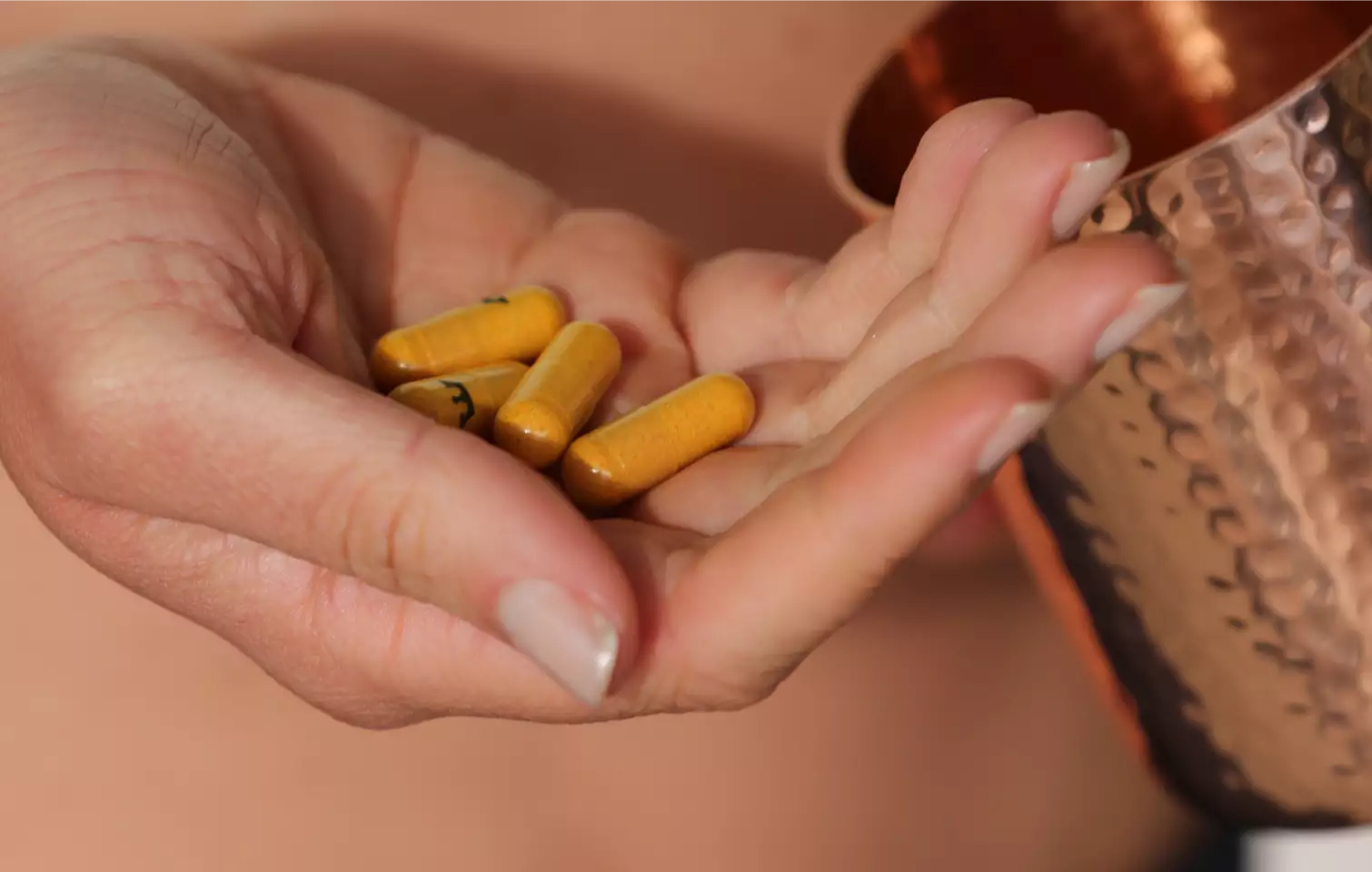
The LYMA Supplement brings together eleven clinically studied ingredients in one daily formula, including 250mg of Sensoril® ashwagandha (a root-and-leaf extract), affron® saffron, Levagen®+ (PEA), 250mg of Cognizin® citicoline and the Wellmune® beta glucan blend. It also contains vitamin D, which contributes to the normal function of the immune system.
LYMA ID² is high in fibre, delivering 8.5g of prebiotic fibre from four fibre types of different chain lengths (IMOfibe®, PromOat® oat beta glucan, chicory inulin and FOS) in one daily drink. It also contains vitamin C and magnesium, which contribute to normal psychological function and to the reduction of tiredness and fatigue. Read more about how LYMA ID² works.
Make it part of your own daily routine
The LYMA Supplement and LYMA ID² are designed to fit into a few moments of your morning. Not sure where to start? Take the LYMA quiz or book a consultation.
*Food supplements should not be used as a substitute for a varied and balanced diet and a healthy lifestyle. Always consult your GP if you have a medical condition, or existing health protocol, before beginning any new supplementation regime.
References
Food Standards Agency. Call for evidence on ashwagandha food supplements.
RIVM. Risk assessment of herbal preparations containing Withania somnifera (ashwagandha), 2024.
Ashwagandha. LiverTox, National Institutes of Health.
Acute effect of a saffron extract on the stress response in healthy young men. Nutrients, 2023.
McGlade E, et al. Improved attentional performance following citicoline administration in healthy adult women. Food and Nutrition Sciences, 2012.


