

The Smarter Alternative to a Facelift? A Plastic Surgeon Makes the Case for the LYMA Laser PRO.
Dr Graeme Glass has performed countless cosmetic procedures. He understands, better than most, what surgery can do - and what it demands. Which is why what he says next carries a particular weight.
"The technology underpinning LYMA is supported by published research that distinguishes it clearly from the broader at-home device category. I helped engineer this laser, and I am confident saying it belongs in the conversation about early-stage ageing."
Dr Glass is a plastic surgeon. His credibility is built on surgical outcomes. So when he argues that for the first signs of ageing, advanced laser technology is now the more intelligent first response, his opinion carries weight.
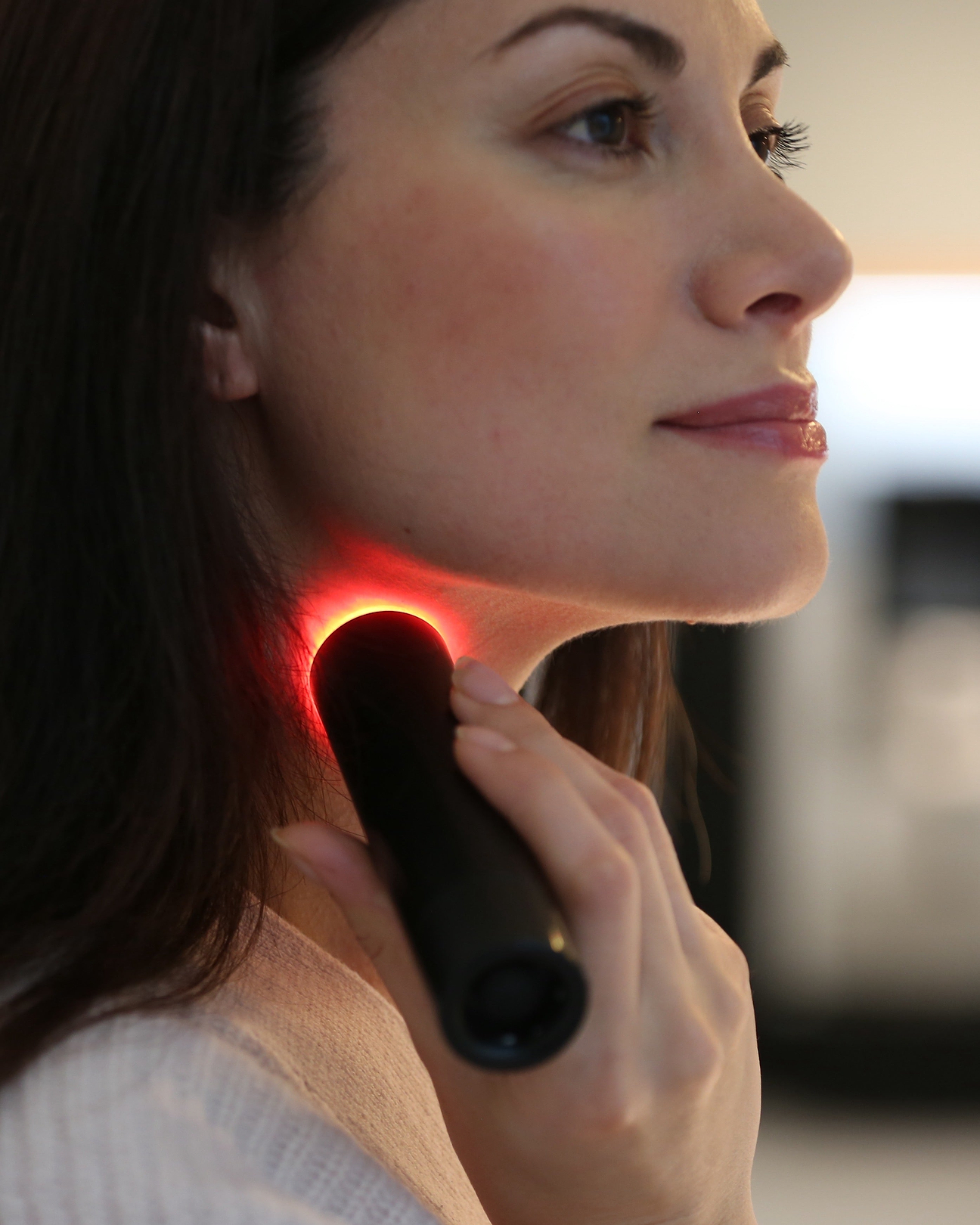
Here is his case.
There is a moment most women recognise
The jawline softens slightly. The neck no longer looks exactly as it did. Something has shifted, and the question that follows is always the same: what can actually be done?
For a long time, the answer was a binary one: continue with creams and hope, or consider surgery. That answer has changed.
And Dr Glass, a surgeon with every reason to recommend surgery, is now recommending something else first.
Why a plastic surgeon is making the case for laser
Dr Glass didn't arrive at this position through marketing. He reviewed the research, helped engineer the device, and reached a clinical conclusion.
"Most at-home devices work on the surface. The LYMA laser works at the level of the cell. That is a fundamentally different category of technology - and I say that as someone who has spent a career understanding what actually moves tissue."
In 2025, a study published in the Aesthetic Surgery Journal examined what happens when skin is exposed to near-infrared laser technology at 808nm. The findings were significant - and they set LYMA apart from the broader at-home device category.
The research compared the 808nm near-infrared laser against a leading device with considerably more power output. The expectation was that more power would yield greater effect. The finding was the opposite.
In a separate randomised controlled trial using the same technology, participants showed a 78% mean reduction in the measured area of concern, with 4 in 10 achieving complete resolution. The control group showed no change.
This was not a consumer study with subjective before-and-after images. It was a controlled clinical trial with objective, measurable outcomes, published in a peer-reviewed surgical journal. That distinction matters.
"LYMA's near-infrared cold laser technology is absorbed directly by your cell. No trauma. No damage. Just cells that function younger. I wouldn't stake my clinical reputation on it if the research wasn't there."
- Dr Graeme Glass, Plastic Surgeon & LYMA Aesthetic Director

The surgeon's honest assessment of surgery
This is not a dismissal of surgery. Dr Glass performs it. He respects it. But he is precise about when it is - and is not - the right tool.
"Surgery is the most significant option available when concerns are advanced enough to require physical intervention. But for earlier-stage change, a softening of definition, changing texture, a loss of firmness, it is a disproportionate response. The commitment it asks is designed for a level of change that has not yet occurred."
The practical realities of surgery are considerable: weeks of recovery, activity and lifestyle restrictions, extended aftercare, and a financial commitment that places it out of reach for many, or simply not the right call for the stage of change being experienced.
Surgery also addresses the skin as it exists at the time of the procedure. It does not pause the natural processes that continue beneath the surface. Ageing continues regardless. For most women, surgery is a significant intervention at a particular moment, not the end of the conversation.
Laser vs. Surgery: the honest comparison
|
Surgery |
LYMA Laser PRO |
|
|
Investment |
Significant one-off cost. Repeat procedures as ageing continues. |
One-time purchase. Every zone included. No per-session cost. |
|
Downtime |
Weeks of recovery. Activity and lifestyle restricted. |
Zero. Designed for daily home use with no interruption to life. |
|
Restrictions |
Extended aftercare and activity limits post-procedure. |
None. No lifestyle restrictions of any kind. |
|
Mechanism |
Physical repositioning and removal of tissue. |
Technology supported by published research. No damage, no injury. |
|
Coverage |
Per procedure, per area. |
Face, jowls, neck, décolletage, arms, body - one device. |
|
Ongoing commitment |
Repeat surgical procedures over time. |
Daily home use. Maintains and builds on results continuously.
|
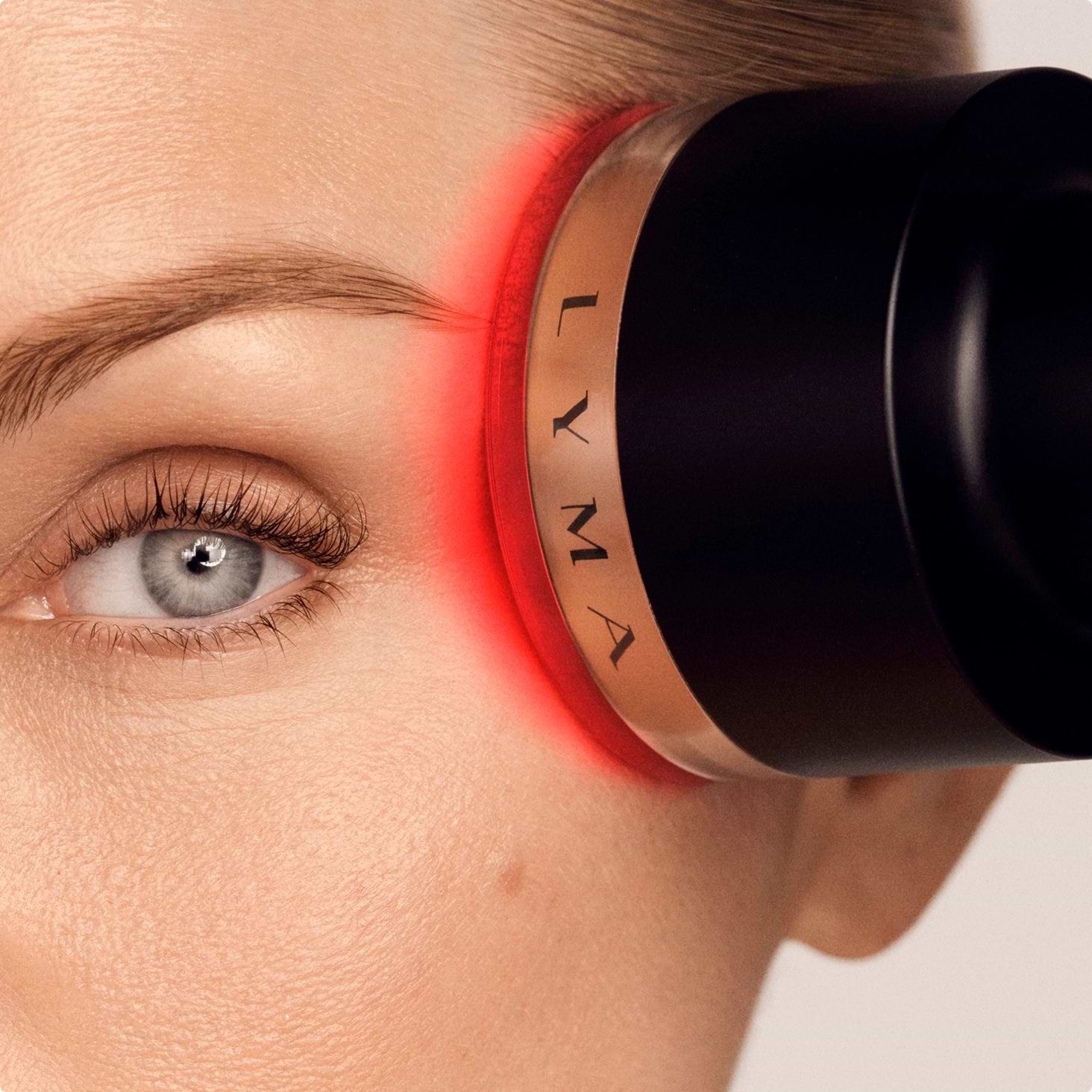
LYMA Laser PRO: one device, every zone
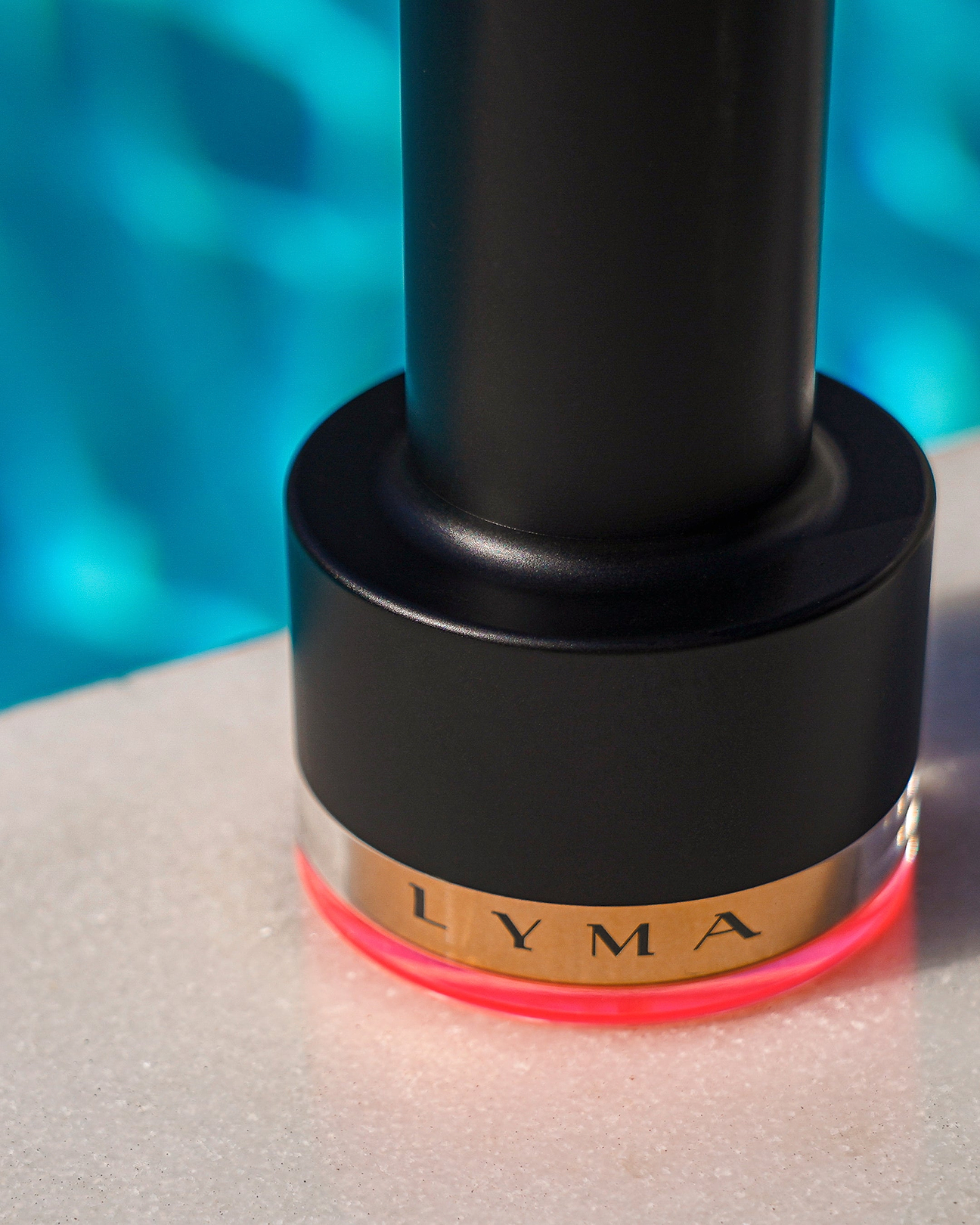
The LYMA Laser PRO delivers the technology validated in the Aesthetic Surgery Journal study, engineered for comprehensive daily home use across every zone of the face and body.
Its 30cm² treatment lens - nearly four times the size of the standard LYMA Laser - makes it the device for those who want to address multiple areas: the jawline, neck, décolletage, upper arms, abdomen, and thighs. One device. No per-session cost. No clinic schedule.
Zone 1: Jowls & Jawline The softening of definition around the jawline that many women notice from their 40s is one of the most common aesthetic concerns. Daily treatment from chin to ear delivers consistent technology to the areas where visible definition can gradually change.
Zone 2: Neck & Décolletage The neck ages differently from the face - thinner skin, fewer oil glands, and often less attention in daily routines. The LYMA Laser PRO works across the full neck and extends to the upper chest, addressing the changes in texture and appearance that develop in this area over time.
Zone 3: Arms Arm skin is among the first areas where women notice changes in texture and firmness. The PRO's larger treatment lens makes daily upper-arm treatment - from shoulder to elbow - practical and consistent as part of an everyday routine.
Zone 4: Body Broader areas including the abdomen and thighs can be addressed as part of a daily routine. The 30cm² lens makes body treatment achievable at home without the cost or commitment of area-by-area professional programmes.
What to expect: a different kind of timeline
The most important difference between surgical and laser-based results is their mechanism - and therefore their timeline. Surgery creates immediate visible change through physical intervention. The LYMA Laser PRO works with the skin's own biology; results build progressively as the skin responds over time.
- Weeks 1–4: Daily treatment establishes consistent use. Change is not yet visible - the foundation is being set.
- Weeks 4–8: Early changes in skin appearance become noticeable. Skin may begin to feel different before it looks different.
- Weeks 8–12: A visible change in skin appearance becomes apparent. Most consistent users report noticeable differences by this point.
- Months 3–6: Skin appearance continues to improve. Results build as the skin responds to sustained daily treatment.
- Month 6+: Ongoing preservation of results. Daily use maintains and builds upon the changes established.
Surgery creates change in days. The LYMA Laser PRO creates change over months - and continues building after that window. The timeline is different. So is what the process asks of you.
"For women at the earlier stages of change, there is now an option backed by published research, requiring no recovery, and no disruption to daily life. Five years ago, I couldn't say that with confidence. I can now." - Dr Graeme Glass, Plastic Surgeon & LYMA Aesthetic Director

The complete guide to firmer-looking skin - written for the woman who wants to understand her options, in full.
Download the free guide for firm skin
Frequently asked questions
Is laser technology as effective as surgery for skin tightening?
The right approach depends on the severity and nature of your concerns. Surgery remains the most significant option for those with advanced concerns that require physical intervention. For those at an earlier stage, advanced laser technology - supported by published research in the Aesthetic Surgery Journal - can offer meaningful change in how skin looks and feels, with none of the recovery, restrictions, or downtime associated with a surgical procedure. Dr Glass, a plastic surgeon who helped engineer the LYMA Laser PRO, is clear: for early-stage change, this is now a credible first response.
How long does it take to see results?
With consistent daily use, many people notice a difference in the appearance and feel of their skin from around 8 weeks. Visible change typically becomes more apparent between weeks 8 and 12, with results continuing to develop through months 3 to 6. Consistency of daily use is the most important factor.
Can I use LYMA instead of a facelift?
LYMA is designed for those who want to address the visible signs of skin laxity without surgery. For those whose concerns are more advanced and require physical intervention, surgery may be the appropriate path. For those at an earlier stage - or those who simply prefer a different approach - LYMA can help skin look and feel firmer over time, with no downtime and no disruption to daily life.
Does the LYMA Laser PRO work on the body as well as the face?
Yes. The LYMA Laser PRO is designed for multi-zone treatment, with a 30cm² lens nearly four times the size of the standard LYMA Laser. It can be used across the face, neck, décolletage, arms, abdomen, and thighs - helping skin look firmer and feel smoother across all areas.
Is LYMA safe for daily use?
Yes. LYMA's 808nm near-infrared laser uses cold laser technology - it stimulates without creating thermal damage or injury. There are no restrictions on activity, sun exposure, or daily routine. It is designed for daily home use as part of your regular skincare protocol.


