

Zero-damage technology that activates skin regeneration vs puncturing skin to force healing.
The Fundamental Question: Damage or No Damage?
When comparing LYMA Laser vs microneedling, the critical difference comes down to mechanism. Every skin rejuvenation technology falls into one of two categories: those that damage skin to trigger a healing response, and those that work without causing any damage at all.
Microneedling creates thousands of microscopic puncture wounds in the skin. The theory is simple: injure the skin, trigger a healing cascade, produce new collagen. The approach has been used for decades and can deliver visible improvements. But there's a biological trade-off that's rarely discussed.
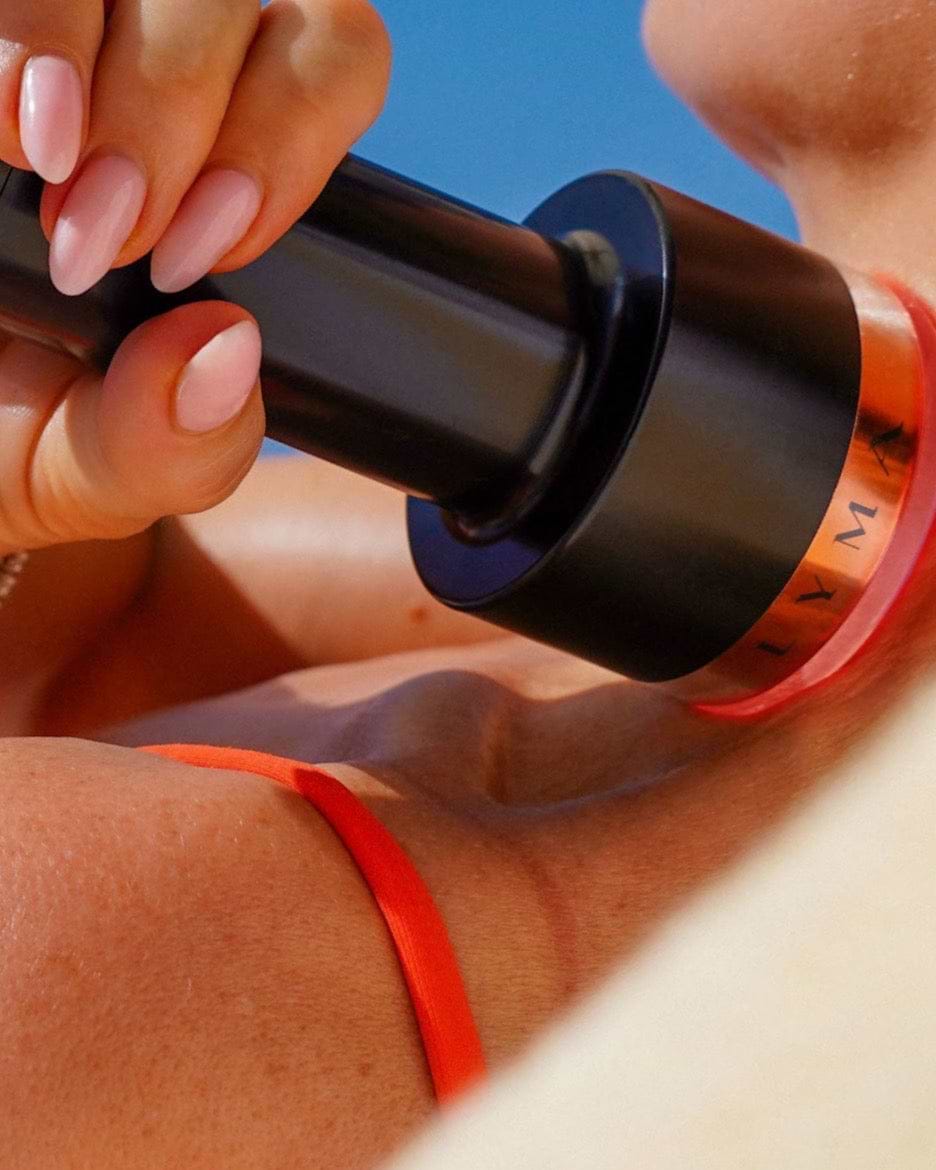
LYMA Laser takes an entirely different approach. Using 808nm near-infrared light, it activates cellular regeneration through a process called photobiomodulation, without causing any thermal or physical damage to tissue. The distinction matters more than most people realise.

What Happens When You Damage Skin to Heal It?
Microneedling works by creating controlled micro-injuries. These punctures trigger the wound healing cascade: inflammation, followed by proliferation, followed by remodelling. Collagen is produced as part of this repair process.
The issue lies in what type of collagen is produced.
When skin heals from injury;whether from a cut, a burn, or microneedling;it produces scar tissue collagen. This repair collagen has different structural properties to the collagen found in naturally youthful skin. The ratio of collagen fibres differs. Over time, with repeated treatments, this distinction becomes relevant.
As longevity expert Dave Asprey explains: invasive treatments that irritate the skin create scar tissue underneath. While this can help reduce wrinkles through stiffening of the tissue, it's not healthy tissue volume. Repeated damage can lead to that locked-in appearance seen in people who've over-treated their skin.
The LYMA Laser Approach: Epigenetic Activation
The LYMA Laser works through an entirely different mechanism. Rather than damaging tissue to force repair, it sends a precise wavelength of near-infrared light (808nm) into the skin, where it's absorbed by mitochondria in dermal cells.
This triggers epigenetic activation, switching on genes involved in cellular renewal, collagen production, and longevity pathways. The collagen produced matches the ratio of fibres found in naturally youthful skin, not scar tissue.
The result? Skin rejuvenation without damage, inflammation, or downtime.

The Clinical Evidence: 45 Genes vs Physical Damage
In 2025, LYMA published the most comprehensive gene expression study ever conducted on an at-home beauty device in the Aesthetic Surgery Journal Open Forum a peer-reviewed medical journal published by Oxford University Press.
What the Study Measured
Researchers tested a panel of 107 genes in human dermal tissue samples, comparing the LYMA Laser (808nm, 500mW) against an LED device and a control group. The protocol involved five consecutive days of light exposure, followed by quantitative PCR analysis.
Key Findings: LYMA Laser Gene Activation
|
Gene |
Function |
Activation Level |
|
TXNRD1 |
Antioxidant defence / stress response |
32× upregulation |
|
HBEGF |
Growth factor / tissue regeneration |
31× upregulation |
|
SIRT1 |
Longevity gene / cellular aging |
6× upregulation |
|
VEGFA |
Blood vessel formation |
5.5× upregulation |
|
PCNA |
Cell replication |
Upregulated |
Total genes modulated by LYMA Laser:45
Total genes modulated by LED device: 1
Clinical Validation: Wound Healing RCT
The same research programme included a randomised controlled trial (n=20) measuring wound healing. Results showed 78% improvement in healing rates with LYMA Laser treatment (4/10 complete healing vs 0/10 in control group).

Microneedling: What Does the Evidence Show?
Microneedling has published studies demonstrating collagen induction through wound healing mechanisms. The evidence typically includes:
- Collagen I upregulation (expected with any wound healing response)
- VEGF upregulation (vascular response to injury)
- Clinical photographs showing improvement
- Histological studies showing collagen production
What's notably absent from microneedling research:
- Comprehensive gene expression panels (107 genes tested)
- SIRT1 activation (the longevity pathway)
- Evidence of collagen ratios matching youthful skin
- Studies published in peer-reviewed surgical journals for at-home devices
The fundamental mechanism: physical damage triggering wound repair produces scar tissue collagen ratios rather than the collagen profile of naturally youthful skin.
LYMA Laser vs Microneedling: Direct Comparison
|
Factor |
LYMA Laser |
Microneedling |
|
Mechanism |
Epigenetic activation (zero damage) |
Physical damage (wound healing) |
|
Collagen type produced |
Natural youthful ratios |
Scar tissue collagen |
|
Gene expression evidence |
45 genes (peer-reviewed) |
Limited gene studies |
|
SIRT1 longevity activation |
6× upregulation (published) |
No published data |
|
Downtime |
None |
24-72 hours |
|
Pain |
None |
Mild to moderate |
|
Frequency of use |
Daily (safe for continuous) |
Every 4-6 weeks |
|
Risk of infection |
None (non-invasive) |
Possible (open wounds) |
|
All skin types |
Yes |
Caution with darker tones |
|
Clinical publication |
ASJ Open Forum 2025 |
Various (mostly clinic) |
Why SIRT1 Activation Matters
SIRT1 is known as the longevity gene. It plays a central role in cellular aging, DNA repair, and metabolic health. When SIRT1 is activated, cells behave more like younger cells.
The LYMA Laser achieved 6× upregulation of SIRT1 in human dermal tissue. No other at-home device has published this data.
Why does this matter for skin? SIRT1 activation supports:
- Cellular repair mechanisms
- Healthy mitochondrial function
- Protection against oxidative stress
- Natural collagen production pathways
This is fundamentally different from forcing collagen production through injury. LYMA works with cellular biology rather than against it.
The Practical Differences
Treatment Experience
Microneedling: Requires numbing cream for comfort. Creates visible redness, potential pinpoint bleeding, and sensitivity lasting 24-72 hours. Most protocols recommend treatments every 4-6 weeks to allow skin recovery.
LYMA Laser: Completely painless, users feel gentle warmth. No redness, no inflammation, no recovery time. Designed for daily use as part of a skincare routine.
Long-Term Considerations
With microneedling, repeated treatments over years mean repeated cycles of damage and repair. Some dermatologists express concern about cumulative effects of chronic micro-injury.
With LYMA Laser, there's no damage to accumulate. The technology activates regenerative pathways without creating any wound healing response. This supports daily, ongoing use without concern about overtreatment.
Who Should Choose Which?
LYMA Laser may be better if you:
- Want published gene expression evidence for your skincare investment
- Prefer a completely pain-free, zero-downtime approach
- Value daily use for cumulative, sustainable results
- Are concerned about long-term effects of repeated skin damage
- Have sensitive skin or conditions like rosacea
- Want technology backed by peer-reviewed research
Microneedling may suit you if:
- You're comfortable with mild discomfort and downtime
- You prefer less frequent treatments (monthly vs daily)
- You want a lower initial investment point
You're working with a professional who can customise depth and technique
Frequently Asked Questions
Is LYMA Laser better than microneedling?
The answer depends on your priorities. If you value published scientific evidence, zero-damage technology, and the production of natural (not scar tissue) collagen, LYMA Laser offers a clinically-proven alternative. The 45-gene activation profile and SIRT1 longevity pathway engagement have no equivalent in microneedling research.
Does LYMA Laser really work?
Yes, with peer-reviewed evidence to prove it. The 2025 study published in Aesthetic Surgery Journal Open Forum demonstrated 45 genes modulated in human dermal tissue, including 32× upregulation of antioxidant defence (TXNRD1), 31× tissue regeneration (HBEGF), and 6× longevity gene activation (SIRT1). A randomised controlled trial showed 78% wound healing improvement.
Can I use LYMA Laser and microneedling together?
Some people incorporate both into their routine. However, LYMA Laser should not be used immediately after microneedling while skin is still healing. Allow skin to fully recover (typically 5-7 days) before resuming LYMA Laser use. Given LYMA's zero-damage approach, many users find they no longer need microneedling once they experience the laser's results.
How long does it take to see results with LYMA Laser?
Most users report visible improvements within 30 days of daily use. The gene expression changes begin immediately, but cellular turnover means visible skin changes take time to manifest. Consistent daily use delivers cumulative benefits.
What is the difference between LYMA Laser and LED masks?
In the same clinical study, LYMA Laser activated 45 genes while a comparable LED device (810nm, actually 10× higher power than LYMA) activated just 1 gene. The difference comes down to light physics: laser light is coherent and collimated, delivering energy efficiently to cells. LED light is diffuse and scattered, with much energy lost before reaching target tissue.
The Bottom Line
Both LYMA Laser and microneedling can improve skin appearance. The question is how they achieve it, and what that means for your skin long-term.
Microneedling damages skin to trigger healing. It works, but produces scar tissue collagen and requires downtime.
LYMA Laser activates genes epigenetically without any damage. It produces collagen in youthful ratios, has zero downtime, and is backed by the most comprehensive gene expression study ever published on an at-home device.
The evidence speaks for itself: 45 genes activated, 78% wound healing improvement, and 6× SIRT1 longevity pathway activation;all published in a peer-reviewed surgical journal.
For those seeking science-backed skin rejuvenation without compromise, the choice is clear.
Learn more about LYMA Laser, and our published clinical research.
You may also enjoy: The Science of Youth: A New Campaign Begins, LYMA Laser Face-Q Longitudinal Observational Study.