

A guide to Black skincare: the best things you can do to take care of your skin
The best skincare routine for Black skin is simple and consistent: a gentle cleanser, a hydrating serum, a rich moisturiser, daily broad-spectrum SPF 30 or higher, and targeted ingredients such as niacinamide or azelaic acid if you’re prone to dark marks. Avoid harsh scrubs and high-strength acids, which can inflame the skin and leave dark marks behind, and introduce one new product at a time.
Skin conditions can show up completely differently on different people, and how skin reacts to sunlight, scarring or even ageing can differ depending on your skin type. Take eczema: on lighter skin tones it often appears red, but on darker skin it can appear purple, grey or silver. If you don’t know what to look out for, finding the right way to care for your skin becomes much harder.
Not all skin is the same, and that’s perfectly okay. But for Black people in particular, accessing information on skin, and finding specialists who understand all skin tones, isn’t always straightforward. So what should you know about your skin if you are Black, and how should you care for it?
The best skincare routine for Black skin
A good Black skincare routine focuses on three things: keeping skin hydrated and the barrier strong, protecting it from the sun, and preventing the inflammation that leads to dark marks. Here’s a simple daily regimen to build from.
| Step | Morning | Evening |
|---|---|---|
| 1. Cleanse | Gentle, non-stripping cleanser or just water | Gentle cleanser; double cleanse if wearing SPF or makeup |
| 2. Treat | Hydrating serum, or vitamin C or niacinamide for dark marks | Hydrating serum; azelaic acid or a retinoid, introduced slowly |
| 3. Moisturise | Lightweight moisturiser | Richer moisturiser with ceramides or hyaluronic acid |
| 4. Protect | Broad-spectrum SPF 30+, ideally a tinted or sheer formula with no white cast | — |
Exfoliate gently once or twice a week at most, and patch test new products. For more on building the basics, read a leading facialist’s routine and our guide to the best skincare routine for morning and night.
What makes Black skin different?
Black and Brown people get their darker complexion from melanin, the skin’s natural pigment. Eumelanin, to be specific, is a brown-black pigment and the most common form of melanin that gives humans their skin, hair and eye colour. Everyone has a similar number of melanocytes, the cells that make melanin; in darker skin, they produce more of it, and in larger packages.
“Skin colour increases the diversity in the structures of the skin,” says Dr Ingrid Wilson, Director of Crewe Hair and Skin Clinic. “Darker skin tends to have a thicker dermis layer and smaller collagen fibres. Darker skin provides greater protection from ultraviolet (UV) exposure than fairer skin because there is a larger amount of melanin in keratinocytes.”
That has real benefits. “People with darker skin have enhanced protection from the sun, better wound healing, [and] reduced ageing related to the sun (photoageing) including the later formation of wrinkles,” says Dr Wilson. But melanin-rich skin also reacts more strongly to inflammation, which is why dark marks are such a common concern, and dryness can show up as visible ashiness.
Common skin concerns for Black skin
Hyperpigmentation and dark marks
Hyperpigmentation, patches of darker skin caused by blemishes, injuries, irritation or sun exposure, is more common in people with darker skin tones. Post-inflammatory hyperpigmentation is the dark mark left after a breakout, bite or burn, and can take months to fade. Daily SPF, gentle skincare and ingredients such as niacinamide, azelaic acid and vitamin C help. Read about the four most common types of skin pigmentation.
Melasma
Melasma causes brown or grey-brown patches, usually on the cheeks, forehead and upper lip, and is linked to hormones and sun exposure. It’s more common in women with medium to darker skin tones and needs a dermatologist’s guidance.
Keloid scars
Keloids are raised, firm scars caused by the overproduction of collagen as skin heals, and they’re more common in people with darker skin. They can form after piercings, cuts or surgery, so if you’re prone to them, tell your doctor before any procedure.
Dry or ashy skin
Dry skin shows up as a grey, ashy cast on darker skin. Some research suggests darker skin may lose water through the barrier more readily, so a moisturiser with ceramides, glycerin or hyaluronic acid, applied to damp skin, makes a visible difference. Read how to care for a damaged skin barrier.
Razor bumps and small raised spots
Razor bumps (pseudofolliculitis barbae) are common with curly hair, as hairs curl back into the skin after shaving. Small, harmless dark raised spots on the cheeks, known as dermatosis papulosa nigra, are also common in Black skin. A dermatologist can advise on both.
Does Black skin need sunscreen?
Yes. People with darker skin tones do have some natural protection from UV. “Melanin helps protect the cells of the epidermis, or outer layer of the skin, from UV light,” says Dr Wilson. “This protection extends to all forms of UV light (UVC, UVB, and UVA) as well as blue light. It does this by absorbing the UV light before it’s able to damage the sensitive DNA of the skin cells.”
This doesn’t mean Black people should skip sunscreen or are immune to sun damage. “Black skin can actually sunburn,” explains Dr Wilson, noting the signs of sunburn are different on darker skin. “Look for peeling of the skin rather than redness. Wherever there is sunburn there is damage to the DNA. This is important because dark skin can still get skin cancer.” UV and visible light also darken existing dark marks, so daily SPF is one of the most effective steps for an even-looking tone.
Melanoma in Black people and people of colour often appears on the palms, soles of the feet or under the nails, as was the case for Bob Marley, who was diagnosed with melanoma under his toenail. “There is greater morbidity and mortality for skin cancers in Black people because of lack of awareness and late diagnosis,” says Dr Wilson. The British Association of Dermatologists advises checking your skin regularly, with a particular focus on your palms, soles, nails, genital regions and mucous membranes, and seeing your GP about any new or changing spot.
Best skincare products for Black skin: ingredients to look for and avoid
The best skin care products for Black skin aren’t defined by a label, but by their ingredients and how gentle they are.
Look for:
- Ceramides, glycerin and hyaluronic acid to hydrate and support the skin barrier
- Niacinamide, azelaic acid and vitamin C for dark marks and uneven tone
- Retinoids, introduced slowly, for texture, breakouts and fine lines
- Tinted mineral or sheer chemical sunscreens that don’t leave a white cast
Avoid:
- Harsh physical scrubs and high-strength at-home peels, which can trigger dark marks
- Illegal skin-lightening creams; in the UK, hydroquinone is prescription-only and mercury is banned in cosmetics, yet both still turn up in unregulated products
- Heavy fragrance if your skin is easily irritated
In-clinic treatments and darker skin
Many in-clinic treatments are suitable for darker skin, but some carry more risk. Heat-based treatments, strong chemical peels and aggressive resurfacing can trigger burns or new dark marks on melanin-rich skin, so the most important choice is your practitioner. Look for a consultant dermatologist experienced in treating skin of colour; the Black Skin Directory is a good place to start.
Why people with darker skin may need more vitamin D
While melanin is beneficial for natural UV protection, it also means darker skin makes less vitamin D from the same amount of sunlight. Vitamin D is needed to keep bones and muscles strong, and those living further from the equator, like the UK, especially in winter, are more likely to have low levels.
“People with a naturally dark skin tone have natural sun protection and require at least three to five times longer exposure to make the same amount of vitamin D as a person with a white skin tone,” says Dr Wilson. Sunscreen reduces vitamin D production in lab conditions, though studies suggest everyday use rarely causes deficiency on its own, so keep wearing it. According to the NHS, sunlight in the UK doesn’t contain enough UVB between October and early March for skin to make vitamin D, and people with dark skin should consider taking 10 micrograms (400 IU) of vitamin D every day all year round.
Why representation in dermatology matters
There are more than biological differences that affect how darker skin is treated. There is still a lack of images of darker skin tones in medical textbooks, which means conditions can be missed or diagnosed late. “In white skin, the hallmark of inflammatory skin disease is erythema, which presents as shades of pink and red of varying intensity,” says Dr Wilson. Yet in darker skin, inflammation may present as shades of violet and purple, or as an increase in pigmentation leading to a darkening of the skin.
“Historically there has been a Eurocentric bias in medical textbooks which means that medical practitioners have no frame of reference to draw upon,” says Dr Wilson. “There is heterogeneity between different ‘Black’ populations. African American and African Caribbean Black populations are likely to be more genetically diverse than Black African populations. Therefore it is important for clinicians to be exposed to a range of images to refer to and learn from.”
Resources have grown. Platforms like the Black Skin Directory connect people with dermatologists and skin professionals who specialise in darker skin, and Mind the Gap, a handbook of clinical signs in Black and Brown skin first published in 2020, is now widely used in medical education. Understanding and catering to every skin tone helps everyone, especially groups who have not always had access to the right care.
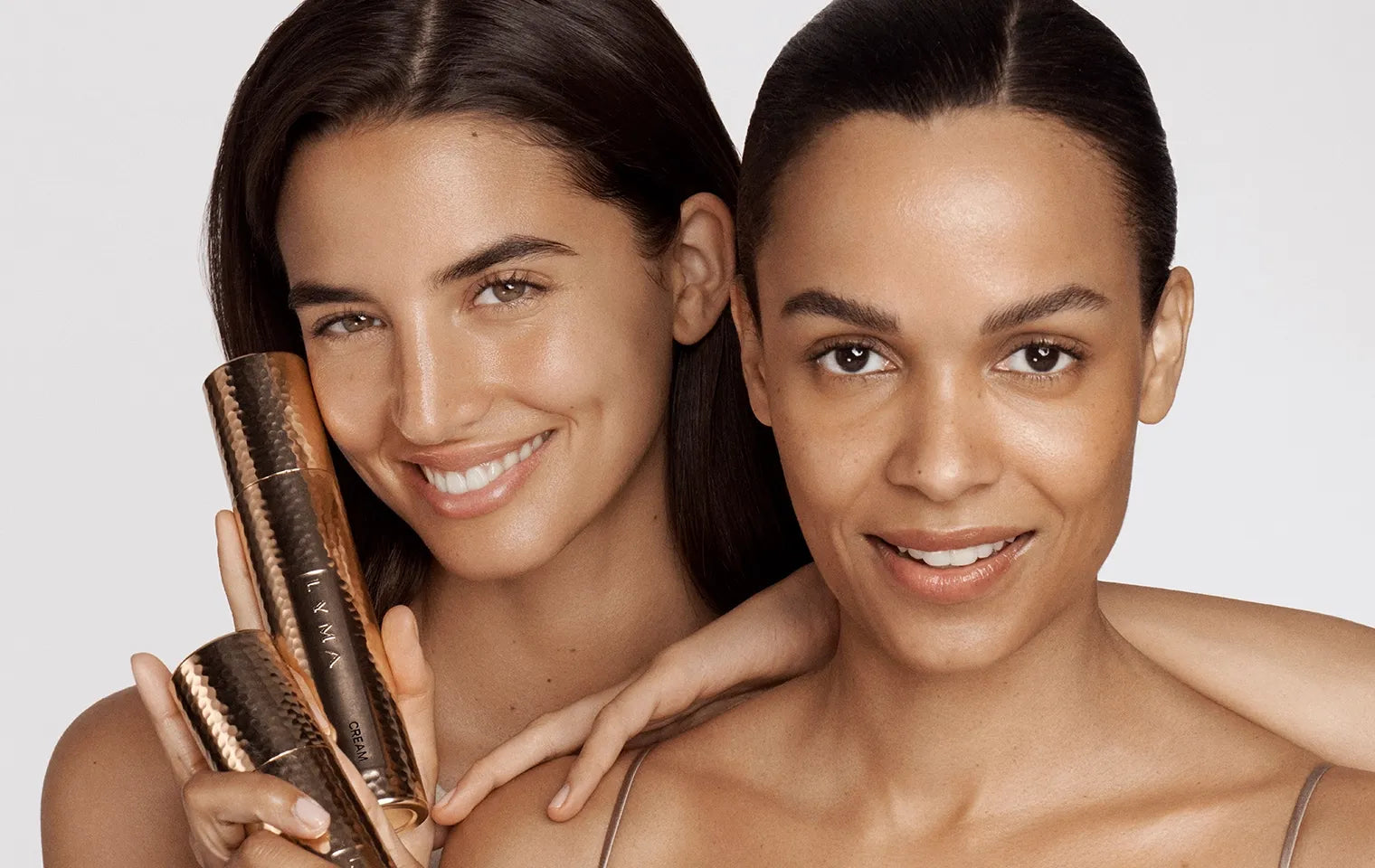
Building your routine with LYMA Power Youth Skincare
Hydration and a strong barrier are the foundation of any skincare routine for darker skin. The LYMA Power Youth Serum combines multi-weight hyaluronic acid with 2% niacinamide, and in a 28-day clinical study, skin hydration increased by an average of 16.6%. Follow it with the LYMA Power Youth Cream, which in a 28-day clinical study increased skin hydration by an average of 37.6% and helped support the skin barrier, reducing water loss by 22.9%. Read more about multi-depth hydration.
Frequently asked questions about skincare for Black skin
What’s the best skincare routine for Black skin?
Build around a gentle cleanser, a hydrating serum, a moisturiser and daily SPF 30 or higher, adding niacinamide, azelaic acid or vitamin C if you’re prone to dark marks. Avoid harsh scrubs and high-strength acids, and introduce one new product at a time.
What do Black people use on their skin?
Skincare needs vary from person to person, but many people with Black skin focus on rich moisturisers with ceramides or shea butter to prevent ashiness, gentle cleansers, sunscreens without a white cast, and brightening ingredients for dark marks.
Do people with darker skin need sunscreen?
Yes. Melanin offers some natural protection, but not enough to prevent UV damage, dark spots or photoageing. Use a broad-spectrum SPF 30 or higher daily; tinted mineral formulas avoid a white cast.
Why does darker skin get dark marks after breakouts?
Inflammation prompts melanocytes to produce extra pigment, leaving post-inflammatory dark marks that can last months. Early, gentle care, not picking and daily SPF help them fade.
Why does Black skin look ashy?
Ashiness is dry skin, which shows up as a grey or white cast on darker skin. Moisturise straight after washing, while skin is still damp, with a cream containing ceramides, glycerin or shea butter.
Are lasers safe for Black skin?
Some are, with the right device and settings. Heat-based lasers carry a higher risk of burns and dark marks on deeper skin tones because melanin absorbs heat, so always choose a dermatologist experienced in treating skin of colour.
Do people with darker skin need more vitamin D?
Melanin reduces how much vitamin D skin makes from sunlight, so people with darker skin may be more likely to have low levels, especially in winter. The NHS advises people with dark skin to consider a daily 10 microgram vitamin D supplement all year round.
*This article is for general information and is not medical advice. See your GP or a dermatologist about any skin concern, or any new or changing spot.
About the author
Niellah Arboine is a writer and broadcaster covering beauty, culture and wellbeing. Expert commentary in this article is from Dr Ingrid Wilson, Director of Crewe Hair and Skin Clinic.
You might also like


