

The hidden fibre shortfall quietly undermining even the cleanest modern diets.
Most people who eat well still feel bloated, low in energy, and have a difficult digestive system - and they can't work out why. The answer isn't a missing vitamin or the wrong diet. It's a structural gap that the modern food system created and almost nobody talks about: a significant shortfall in prebiotic fibre. The specific kind that supports a thriving gut environment and underpins everything from comfortable digestion and consistent energy to that general sense of feeling your best.
Blue Zone populations, the world's longest-living people, get 15 grams of prebiotic fibre daily through natural dietary diversity. The average modern diet delivers just 4 grams. That gap is the modern gut deficit and closing it starts with understanding it: here’s everything you need to know.
How modern diets lost the fibre our guts evolved to need

Our hunter-gatherer ancestors consumed between 100 and 150 grams of fibre daily, drawn from a vast, varied landscape of wild plants, tubers, seeds, and roots. Dozens of distinct fibre sources, each supporting different microbial communities across different parts of the gut.
As agriculture developed, that number dropped - but not catastrophically. Early farming communities still consumed 50 to 80 grams daily, from diverse, whole-food patterns.
The modern Western diet tells a very different story. Total fibre intake now sits at 10 to 15 grams daily. Of that, roughly 4 grams is prebiotic. We should be consuming at least 15g of prebiotic fibre daily.
But the real damage isn't just quantity. The industrial food system didn't simply reduce fibre, it eliminated fibre complexity. Seasonal variety has been flattened. Wild plant diversity has been replaced by a handful of commercially viable species. A modern diet classed as "healthy" draws from a narrow range of cultivated crops that bear little resemblance to what our guts evolved on.
Our gut bacteria haven't adapted to this and they can't. Evolution doesn't move that fast. They still require the same diversity and complexity of prebiotic fibre they evolved on: dozens of distinct sources, varied in type, length, and origin. Today, almost nobody is coming close to providing it.
Why fibre diversity matters when it comes to how you look and feel
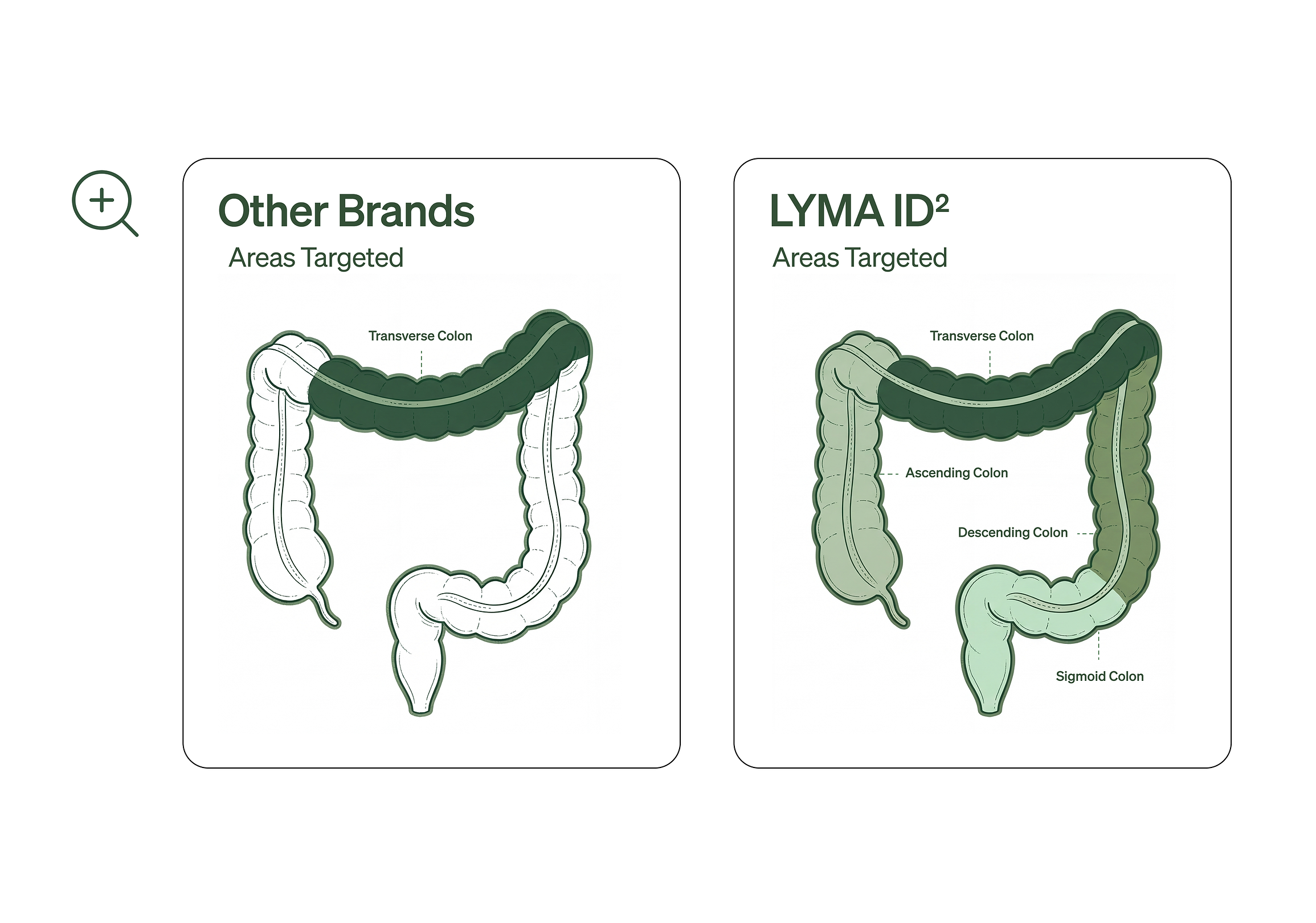
Fibre diversity directly influences how you feel every day. When your gut has the diverse fibre it needs, digestion tends to feel more comfortable and settled. Energy feels more consistent. That sense of lightness and ease, easy to take for granted when it's there, hard to ignore when it isn't, is closely connected to whether your gut has the prebiotic fibre it needs to support a thriving gut environment.
The bloating, the energy dips, and difficult digestion, you’re not imaging it. It reflects the gap between the gut environment your body needs and the one modern eating provides.
And single-source fibre supplementation such as a spoonful of psyllium or an inulin tablet, isn’t going to close that gap. The gut doesn't need more of one fibre type. It needs a wider range that nourishes the full breadth of its bacterial communities.
What Blue Zone populations can teach us about feeling well

If you want to see what a fibre-rich gut environment looks like in practice, look to the Blue Zones.
The five populations with the world's longest healthy lifespans - found in Okinawa, Sardinia, Nicoya, Ikaria, and Loma Linda - share a dietary pattern that modern nutrition science is only beginning to fully appreciate. They consume 15 grams or more of prebiotic fibre daily, not through supplementation, but through naturally diverse, plant-rich diets that vary by season, geography, and tradition.
The key insight isn't simply that they eat more fibre. It's that they eat more kinds of fibre, a wide variety of fibre types that support different parts of the digestive tract and contribute to the kind of consistent, comfortable digestion these populations are known for.
This fibre diversity is baked into the way these populations have always eaten. It's not a wellness strategy. It's just food. For most people in the modern world, it's also out of reach, unless you know what to look for.
How to start closing the gap

Whole food strategies
The starting point is expanding variety, not just volume.
- Aim for 30 or more different plant foods per week. Research from Stanford's Human Food Project associates this threshold with meaningfully greater gut microbiome diversity.
- Prioritise prebiotic-rich foods: chicory root, Jerusalem artichoke, garlic, onions, leeks, asparagus, and green (unripe) bananas are among the richest whole-food sources.
- Be realistic: achieving 15g of prebiotic fibre daily through diet alone requires significant, sustained dietary intentionality - a level most people, even health-conscious ones, rarely maintain consistently.
What to look for in supplementation
For most people, the gap between what diet can realistically provide and what the gut needs to feel its best is where thoughtfully formulated supplementation becomes a sensible consideration.
- Fibre diversity, not just one type. A formulation that provides a wider range of fibre sources better reflects what a naturally varied diet provides, and is categorically different from a single-source supplement.
- Thoughtful formulation. Look for products where dosing reflects considered design, not just "some fibre" added to a formula.
- Science-backed ingredients. The best prebiotic formulations are built on studied, named ingredients with transparent sourcing.
The fibre gap in the modern diet isn't going to close on its own. But understanding it, its scale, its history, and what a genuinely diverse gut environment looks like are all vital in order to start seeing a difference.
Learn more about LYMA ID2 Gut Powder: what is a prebiotic, and our verified science.
You may also enjoy: "I Feel Cleaner, Lighter, More Energised - and My Skin Just Radiates".


