

What to eat and drink when you feel weak or tired, and why some meals make it worse.
The short answer: eat regular meals that combine slow-release carbohydrates with protein and some fat, so your energy doesn't spike and crash. Make sure you're getting enough iron, vitamin B12 and magnesium, and drink water steadily through the day, because even mild dehydration is linked with feeling tired. Keep caffeine to the morning and early afternoon. If you've been exhausted for weeks despite sleeping well, see your GP: tiredness has many causes, and diet is only one of them.
Below, we cover the best foods and drinks for steady energy, why you might feel tired after eating and how to stop it, the nutrients that matter most, what to eat for breakfast, and when feeling weak or tired is a sign of something else.
Jump to: What to eat · What to drink · Tired after eating · Key nutrients · Breakfast · Afternoon slump · FAQs · When to see a GP
Why what you eat affects how tired you feel
Food affects your energy in three main ways. First, blood sugar: meals built on refined carbohydrates are absorbed fast, and the rise and fall that follows can leave you flat an hour or two later. Second, nutrient gaps: low iron or vitamin B12 limits how well your body carries oxygen and turns food into energy. Third, hydration: your body loses water all day, and small shortfalls show up as tiredness and poor concentration before you feel thirsty.
Sleep still comes first. If you're regularly getting less than seven hours, no diet will make up for it. Our guide to how much sleep you really need is a good place to start.
What to eat when you feel weak and tired: the best foods for energy
There's no single energy food. What helps is a pattern: whole foods that release energy slowly, with enough protein, iron and B vitamins. These are the ones worth eating more of.
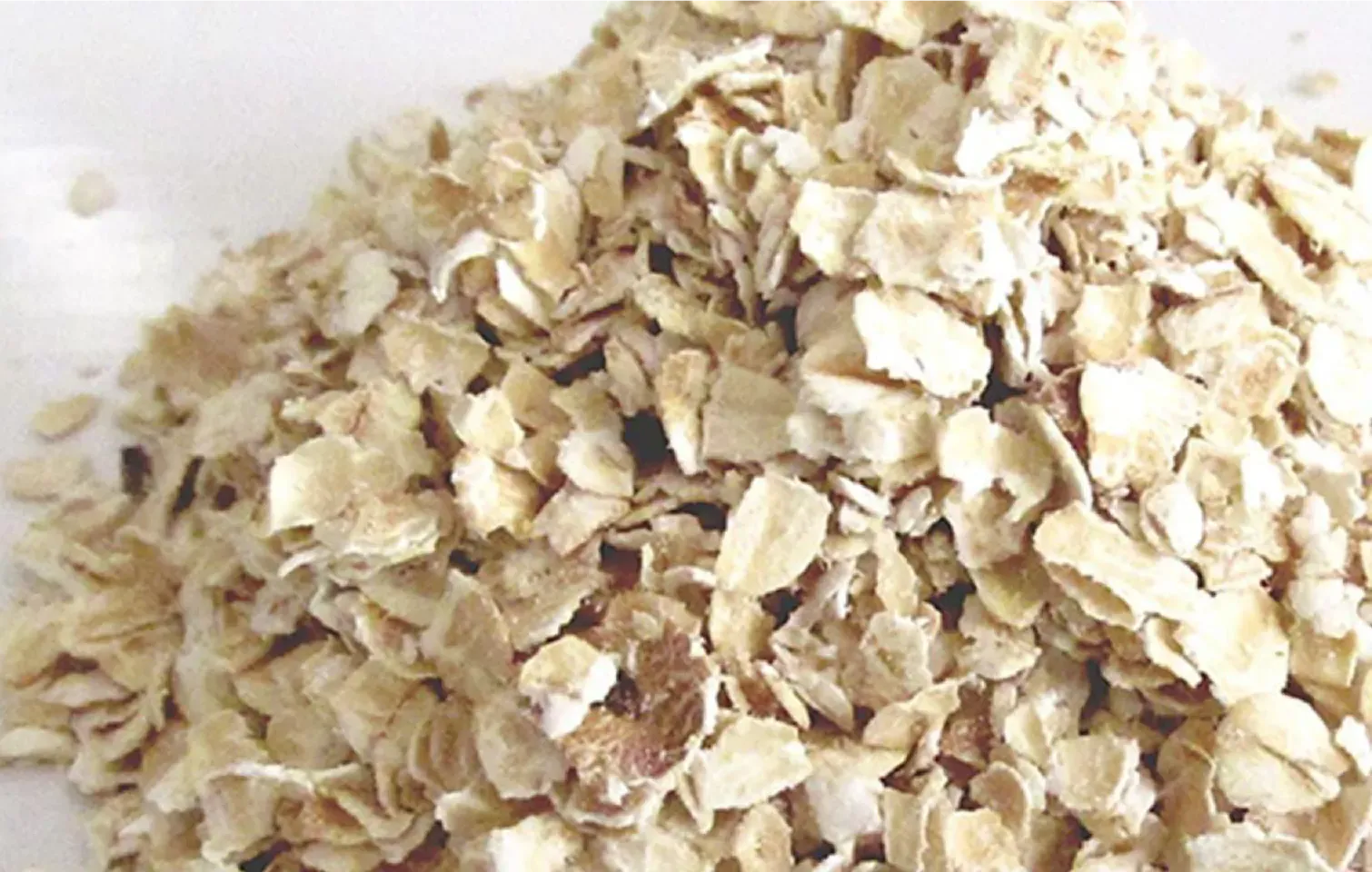
Oats and wholegrains
Oats, brown rice, rye and quinoa are digested slowly thanks to their fibre, so they release energy gradually rather than all at once. Oats also contain beta-glucan, a soluble fibre that slows digestion further.
Eggs
Eggs provide high-quality protein, vitamin B12 and some vitamin D. Protein at breakfast helps you stay full and steadies your energy through the morning.
Oily fish
Salmon, sardines and mackerel provide protein, vitamin B12, vitamin D and omega-3 fats. Aim for at least one portion a week.
Nuts and seeds
Almonds, cashews and pumpkin seeds are good sources of magnesium, which your body uses to turn food into energy. A small handful also makes an easy snack that won't spike your blood sugar.
Leafy greens, beans and lentils
Spinach, kale, beans and lentils provide iron and folate. Plant iron is harder to absorb than the iron in meat, so eat it with a source of vitamin C, such as peppers, citrus or berries, and keep tea and coffee away from these meals, as coffee reduces how much iron you absorb.
Lean meat
Red meat, chicken and turkey provide easily absorbed iron and vitamin B12. If you don't eat meat, you'll need to plan your iron and B12 more carefully.
Bananas and whole fruit
Fruit provides natural sugar with fibre, which slows its absorption. A banana with a handful of nuts is a better pick-me-up than a biscuit or a chocolate bar.
Yoghurt, kefir and fermented foods
Fermented foods and a varied, fibre-rich diet support a healthy gut, which plays a part in how well you absorb nutrients from everything else you eat. For more, see our guide to improving your gut health naturally.
What to drink when you feel weak or tired
Water
In a controlled study, young women who were mildly dehydrated, by under 1.5% of their body weight, reported more fatigue, lower mood and poorer concentration. European guidelines suggest a total water intake of about 2 litres a day for women and 2.5 litres for men, including water from food; the NHS suggests 6 to 8 glasses of fluid a day. Drink steadily rather than all at once. Electrolyte drinks are only really useful after heavy sweating. Feeling tired can be one of the first signs you haven't drunk enough, often before you feel thirsty.
Feeling tired can be one of the first signs you haven’t drunk enough, often before you feel thirsty.
Is coffee dehydrating?
Not at normal intakes. In a study of habitual coffee drinkers, four cups a day hydrated the body about as well as the same amount of water. Coffee can help when you're tired, but timing matters: caffeine taken even six hours before bed can cut your sleep, which leaves you more tired the next day. Make early afternoon your cut-off.
Green tea
Green tea has less caffeine than coffee, plus L-theanine, an amino acid often associated with calm focus. It suits people who find coffee makes them jittery.
Energy drinks and alcohol
Energy drinks often combine a lot of sugar with a lot of caffeine, which can bring a crash later. Alcohol may help you fall asleep, but it disrupts sleep later in the night, so you wake less rested.
Why do I feel tired after eating?
Feeling sleepy after a meal is common, and usually normal. A few things make it worse: a large meal, a meal built mostly on refined carbohydrates such as white bread, pasta or sweets, alcohol with lunch, a short night's sleep, and the natural early-afternoon dip in alertness that happens whatever you eat.
How to stop feeling tired after eating
Eat smaller meals and build them around protein, vegetables and fibre, with whole grains rather than refined ones. Go easy on alcohol at lunchtime. And take a short walk after eating: in studies, even light walking after a meal lowered the rise in blood sugar that follows it.
Why do I feel tired after eating sugar?
Sugary foods and drinks on their own are absorbed quickly, and some people feel a dip in energy as their blood sugar comes back down. Eating them with a meal, or alongside protein, fat or fibre, slows absorption and softens that effect.
If you feel extremely tired after most meals, or it comes with symptoms such as thirst, needing to urinate often, bloating or weight loss, see your GP. It can be a sign of a blood sugar problem, coeliac disease or a food intolerance.
Which vitamins and minerals help with tiredness?
Iron, magnesium, vitamin B12, folate, vitamin C and several other B vitamins contribute to the reduction of tiredness and fatigue. Here's where each fits:
Iron carries oxygen around your body in red blood cells. Women with heavy periods, pregnant women and people who don't eat meat are most at risk of running low. In one trial, women with low iron stores but no anaemia reported less fatigue after taking iron.
Vitamin B12 is needed to make red blood cells and to release energy from food. It's found almost only in animal foods, so vegans need a fortified food or a supplement. Absorption also falls with age.
Folate works with B12 to make red blood cells; you'll find it in leafy greens, beans and lentils. Magnesium is used in energy release; nuts, seeds and whole grains are good sources. Vitamin C helps you absorb iron from plant foods.
Vitamin D is often low in winter. The NHS advises everyone to consider a daily 10µg vitamin D supplement between October and March.
A blood test from your GP is the only way to know whether you're low in iron, B12 or vitamin D, so ask for one if your tiredness persists.
What to eat for breakfast when you’re tired
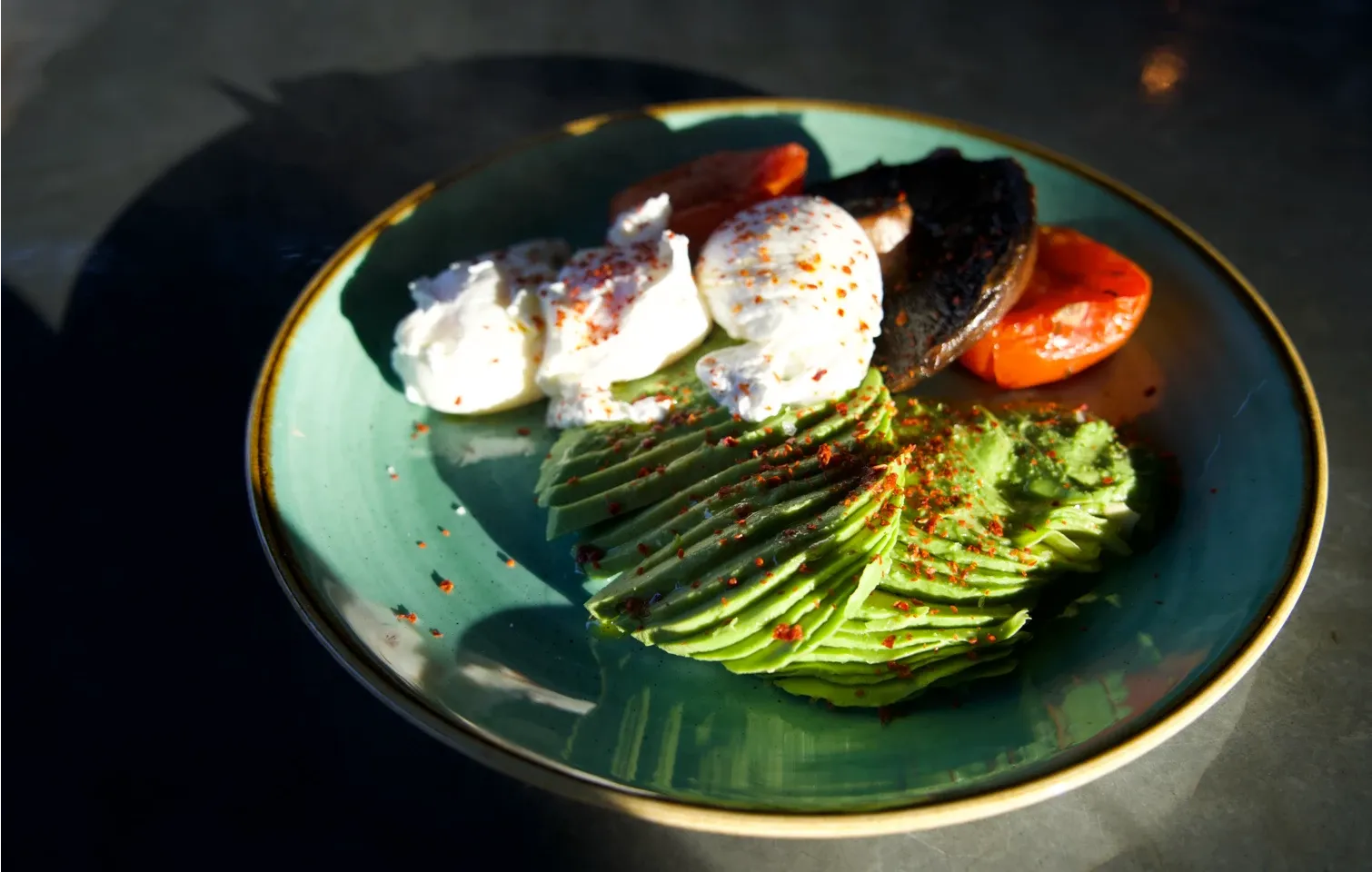
A breakfast with slow-release carbohydrates, protein and some fat sets up steadier energy for the morning. Three easy options:
Porridge with an egg stirred in just as it finishes cooking, which adds protein and makes it creamy. Eggs on rye toast with spinach or tomatoes. Greek yoghurt with berries, nuts and seeds.
How to beat the afternoon slump
The mid-afternoon dip is partly your body clock: alertness naturally falls a little in the early afternoon, whatever you've eaten. A large lunch heavy in refined carbohydrates can make it worse. Choose a lighter lunch built around protein and vegetables, get outside for ten minutes of daylight and movement, and drink a glass of water.
If you need a snack, pair a carbohydrate with protein or fat: apple slices with almond butter, hummus with oatcakes, or a few squares of dark chocolate with a handful of nuts.
How LYMA fits into your day
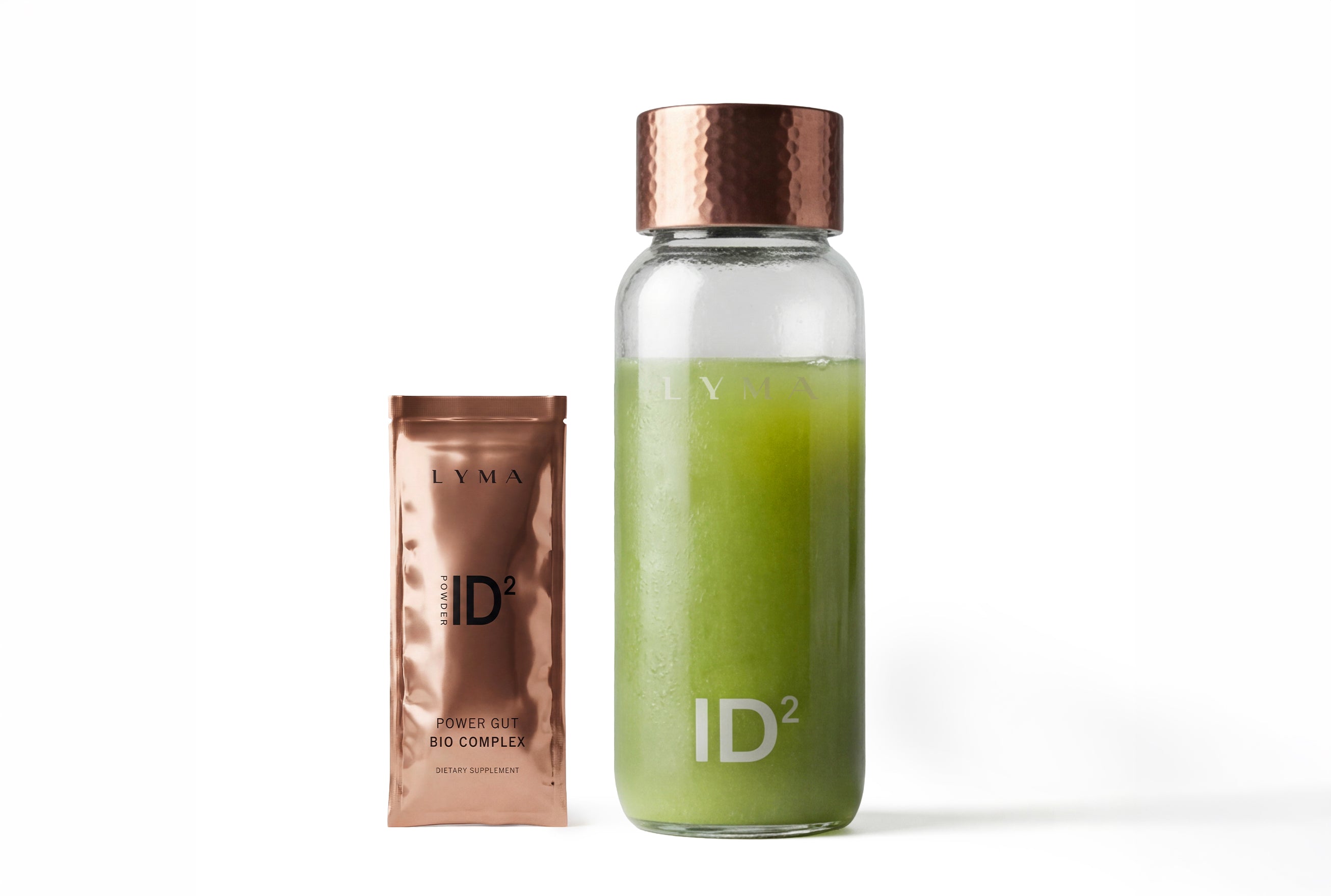
Food comes first. For the gaps a busy week leaves, LYMA ID² is a daily powder that combines prebiotic fibre with vitamins and minerals. It contains vitamin C, riboflavin, niacin, pantothenic acid, vitamin B6, folate, vitamin B12 and magnesium, which contribute to the reduction of tiredness and fatigue. Stir it into water or a smoothie with breakfast.
The LYMA Supplement is a separate daily formula of eleven patented ingredients, including Cognizin® citicoline and Sensoril® ashwagandha. Read more about what Cognizin® is and how it works.
Tired all the time: your questions answered
Why am I tired all the time even after sleeping?
Long sleep isn't always good sleep. Alcohol, late caffeine, stress and sleep apnoea can all reduce sleep quality. Low iron or B12, dehydration and an unsteady diet are other common reasons. If it lasts for weeks, see your GP.
What is the best drink for energy?
Water first, as even mild dehydration is linked with tiredness. After that, a morning coffee or a green tea gives a gentler lift than an energy drink.
Does not eating make you tired?
It can. Skipping meals or going long stretches without food leaves you running on empty, and many people feel weak, shaky or unable to concentrate. Regular meals, and a balanced snack if lunch is late, keep your energy steadier.
What should I eat when I feel weak on my period?
Iron-rich foods such as red meat, eggs, beans, lentils and leafy greens, eaten with a source of vitamin C, help replace the iron lost through bleeding. Drink plenty of water, and eat regular meals with slow-release carbohydrates. If your periods are heavy and you often feel weak or breathless, ask your GP to check your iron levels.
What should I eat when I feel weak and tired?
A balanced meal or snack with protein and slow-release carbohydrates, such as eggs on toast or yoghurt with nuts, plus a glass of water. If you often feel weak, ask your GP for a blood test.
When tiredness isn’t about food
Feeling tired all the time is one of the most common reasons people see a GP. Diet is one cause, but so are poor sleep, stress, low mood and anxiety, low iron, an underactive thyroid, sleep apnoea, diabetes and the after-effects of a viral illness.
See your GP if you've felt exhausted for more than a few weeks despite getting enough sleep, or if your tiredness comes with other symptoms such as weight loss, breathlessness, or feeling low. A simple blood test can rule out the most common causes.
The bottom line
If you're tired all the time, start with the basics: enough sleep, regular balanced meals, iron and B12-rich foods, steady water through the day and no caffeine after early afternoon. Give it two to three weeks. If nothing changes, see your GP.

Small, consistent habits make the difference: a good breakfast, a glass of water to hand and a daily routine you can keep.
*Always consult your medical professional if you have a medical condition, or existing health protocol, before beginning any new supplementation regime.
References
Armstrong LE et al. Mild dehydration affects mood in healthy young women. J Nutr. 2012;142(2):382–388.
Killer SC, Blannin AK, Jeukendrup AE. No evidence of dehydration with moderate daily coffee intake: a counterbalanced cross-over study in a free-living population. PLoS One. 2014;9(1):e84154.
Drake C et al. Caffeine effects on sleep taken 0, 3, or 6 hours before going to bed. J Clin Sleep Med. 2013;9(11):1195–1200.
Vaucher P et al. Effect of iron supplementation on fatigue in nonanemic menstruating women with low ferritin: a randomized controlled trial. CMAJ. 2012;184(11):1247–1254.
Monk TH. The post-lunch dip in performance. Clin Sports Med. 2005;24(2):e15–e23.
Buffey AJ et al. The acute effects of interrupting prolonged sitting time in adults with standing and light-intensity walking on biomarkers of cardiometabolic health in adults: a systematic review and meta-analysis. Sports Med. 2022;52(8):1765–1787.
EFSA Panel on Dietetic Products, Nutrition and Allergies. Scientific opinion on dietary reference values for water. EFSA Journal. 2010;8(3):1459.
NHS. Tiredness and fatigue; Vitamin D.


