

The surgeon whose work on healing children became the blueprint for LYMA Skincare.
Most skincare brands start with a marketing brief. LYMA Skincare started with a question a surgeon kept asking himself in an operating theatre: why do children's faces heal faster than adults'?
That question belongs to Dr Graeme Glass - a London-trained consultant plastic, craniofacial and aesthetic surgeon, LYMA's Director of Aesthetics, and the doctor whose expertise also shaped LYMA Laser PRO. Years spent treating complex facial cases at Great Ormond Street Hospital for Children convinced him there was more to healing than youth alone - and that conviction became the starting point for an entirely different kind of skincare.
In the video below, and in the extended conversation that follows, Dr Glass tells the underlying story of how a craniofacial surgeon ended up inventing a skincare range - and explains the five mechanisms of skin ageing his team engineered LYMA Skincare to address.
We sat down with Dr Glass to go deeper on the science behind the Power Youth Serum and Power Youth Cream. Here's what he told us.
The lightbulb moment behind LYMA Skincare
"It was the observation that youthful skin heals faster that influenced the philosophy behind LYMA's new skincare."
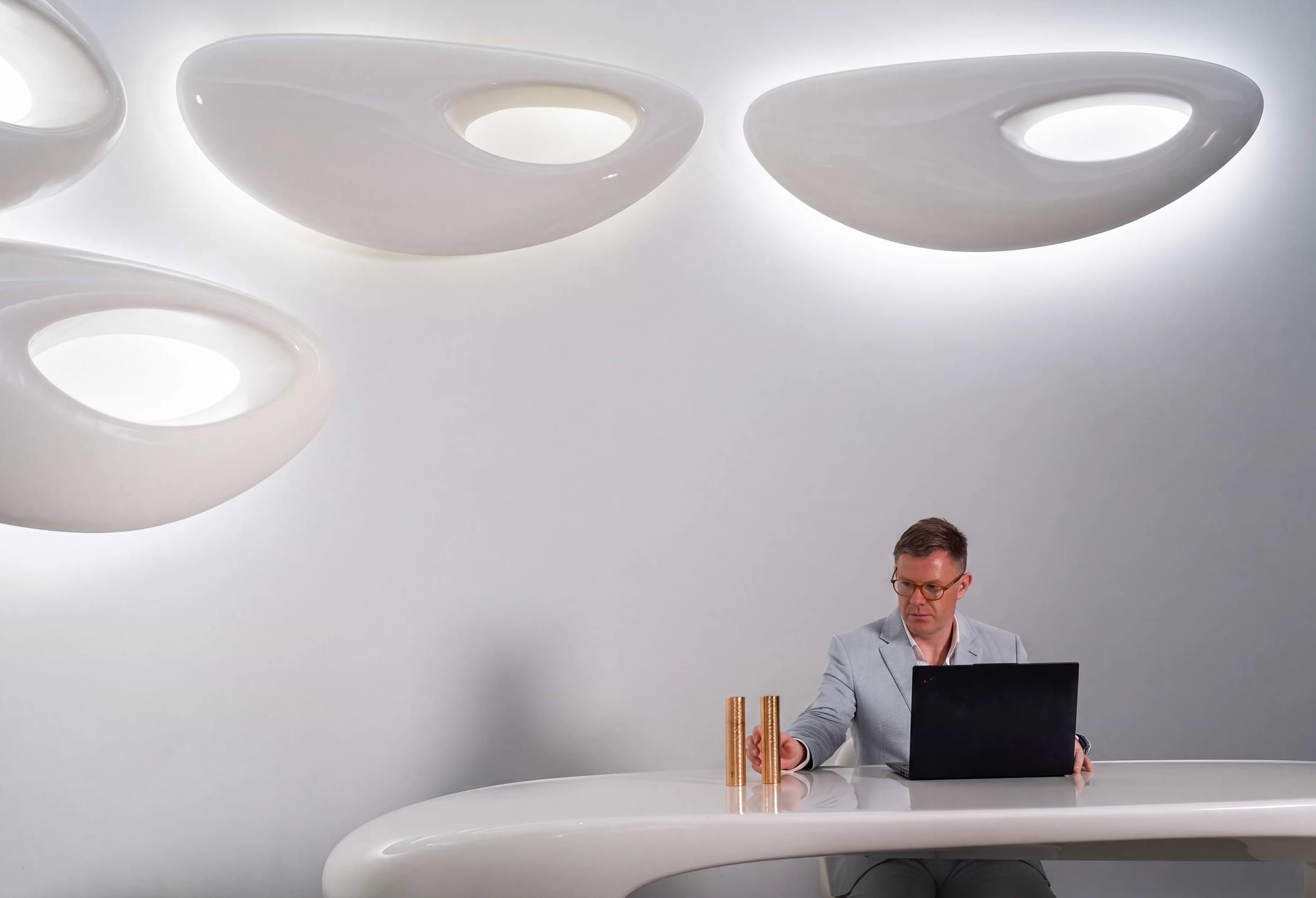
"The work I do at Great Ormond Street Hospital is of great importance to me and I've often reflected on the enhanced healing potential of children when compared with adults. As a scientist I already knew that youthful cells exhibit an enhanced potential to multiply and to become different types of specialised cells, but I always assumed there must be more to it than that. When I discovered that old senescent cells were actually as destructive as youthful cells were beneficial, I knew we had the missing piece of the jigsaw. Children heal better not only because of the presence of youthful cells but because of the absence of senescent cells that actively hamper tissue repair.
This led me to ask the question: what would happen if ageing cells could be removed?
I was fortunate to have access to a team of clinicians and scientists to help me answer this: together we assembled a team of pioneering geneticists, dermatologists and biochemical engineers. Together with my scientific expertise in photobiomodulation and epigenetic stem cell biology, I set out to establish if we could create a new kind of skin science - a complete reimagining of how to support the skin's long-term resilience.
The result was LYMA Skincare - formulas that are the result of years of research into how ageing impacts the skin.
The Power Youth Serum and Cream are pure skin science and the first to tackle the five mechanisms of ageing in concert."
What makes LYMA Skincare different
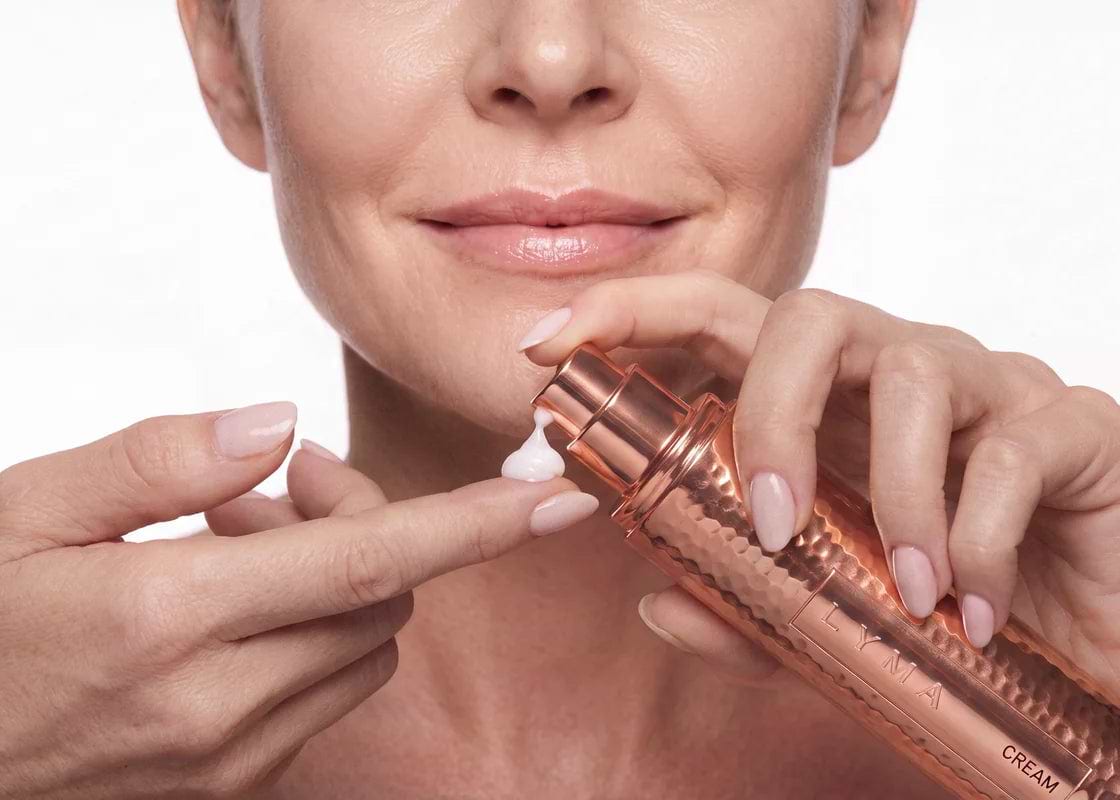
"Most skincare brands follow a fairly simple blueprint, which has changed little in 40 years. Whether the formulations are expensive or cheap, the basic idea is the same: water and lipid solvents, fat-soluble emollients, water-soluble humectants and emulsifiers that allow them to mix, exfoliants and cleansing agents, antioxidants, and a few bespoke ingredients that satisfy the "proprietary" nature of the formulation. There are often one or two hero ingredients - a vitamin, an acid, a peptide, an exosome. The marketing is simple because the thinking is simple.
"But the skin is not a surface. It is a system."
LYMA Skincare begins from a fundamentally different position. No other brand treats the skin as what it actually is: an organ connected to everything else. This is why LYMA Skincare doesn't compete on ingredients alone. It competes on intelligence. LYMA skincare is not a beauty product.
The LYMA Skincare philosophy is architectural, not additive. Where most brands stack trending ingredients into a formula, LYMA designs simultaneous, interconnected systems: multi-level hydration, barrier and lipid enhancing, microbiome intelligence, antioxidant defence, and long-term resilience support - all designed to work in concert.
LYMA is not competing on ingredients alone. Every premium brand has access to peptides, hyaluronic acid, and antioxidants. The LYMA difference is based on:
The intelligence of the formulation. Multi-pathway systems designed to work in concert, not ingredients listed on a box.
Rigour of delivery. Actives engineered to target, distribute, and perform, not just to be present.
This is a different philosophy. And it produces different results."
The five mechanisms of skin ageing
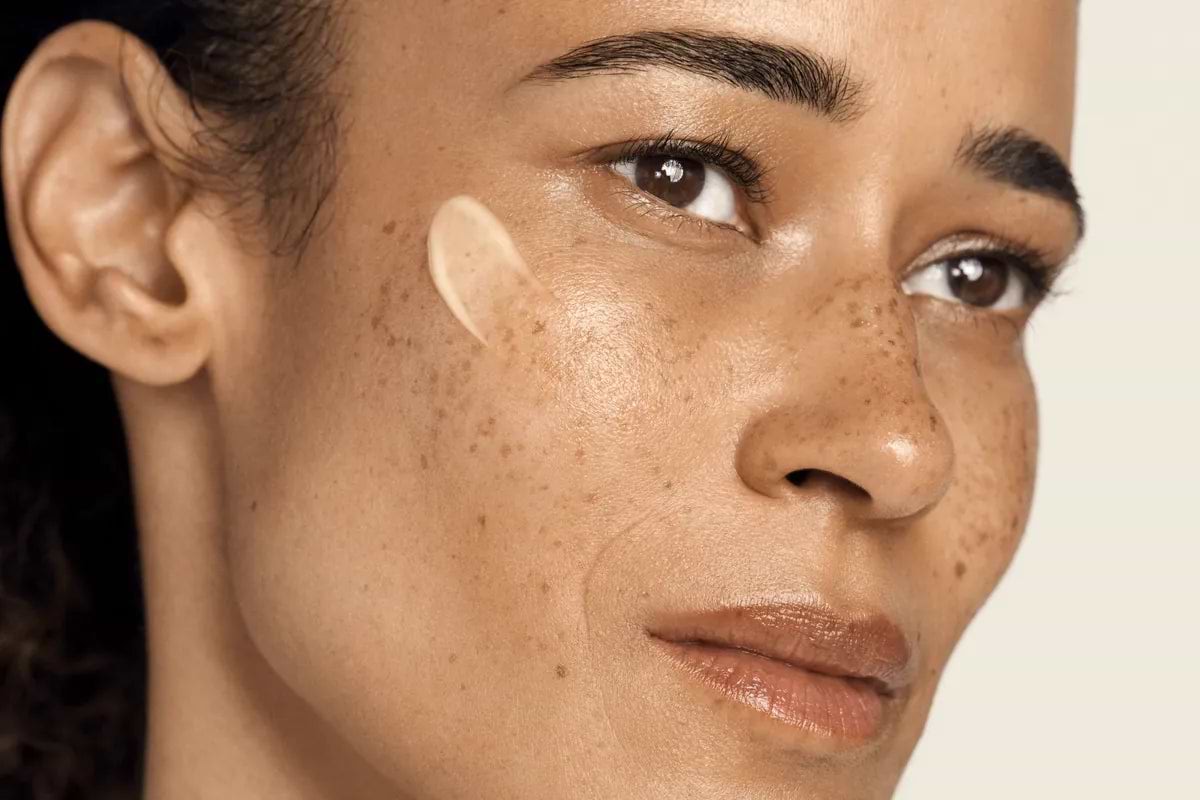
"Skin doesn't deteriorate along a single axis. There are five mechanisms of ageing, and they all happen together, compounding each other: dehydration, barrier compromise, oxidative stress, microbiome disruption, and loss of the extracellular matrix - the microstructure of the dermis.
Moisture loss accelerates barrier breakdown. Barrier breakdown increases oxidative damage. Oxidative damage disrupts extracellular matrix production. A disregulated dermis reduces firmness and radiance. It's a loop.
Targeting one issue while ignoring the rest is not precision - it's incomplete. They need to be addressed together. This is multi-pathway thinking.
The key factor in LYMA Skincare that allows for this multi-pathway thinking is our Genolytic™ technology. The result is formulas that don't just include advanced ingredients - they activate them to act together with powerful effect."
Genolytic™ technology and the science of epigenetics
"Epigenetics is the science of how your environment, your lifestyle, and multiple other factors impact your genetic expression. You can't change the genes you're born with, but you can influence how and when they express themselves.
What you expose your skin to impacts its behaviour: stress, UV, pollution and diet are just some of the things that determine which genes are switched on or off. It's all part of what drives visible ageing.
LYMA's Genolytic™ technology is informed by this principle and is built around three principles:
First, multi-pathway thinking: we don't target one concern, we target the interconnected systems that determine how skin ages.
Second, breakthrough delivery: we use targeted peptide carrier systems, polymer-based delivery complexes and single-phase emulsion technology to ensure that every active reaches the skin intact and is ready to do its job.
And third, the all-important ratio: the precise concentration and combination of actives, formulated to work as part of a re-engineering system, not independently.
For example, we have ingredients in our skincare like Wonderage®, an elderberry-derived active specifically developed as an epigenetic ingredient, along with bakuchiol, ergothioneine, and quercetin. They have all been selected for their ability to interact with the pathways that determine how skin ages. We're not just addressing what skin looks like today - we're supporting how it behaves tomorrow, next month, next year.
That's why LYMA Skincare delivers the results it does - it's not just the quality of the ingredients and the unprecedented high density of the actives, it's how they're engineered to perform together within the formula." You can read more about the science behind LYMA Skincare.
What makes the Power Youth Serum groundbreaking
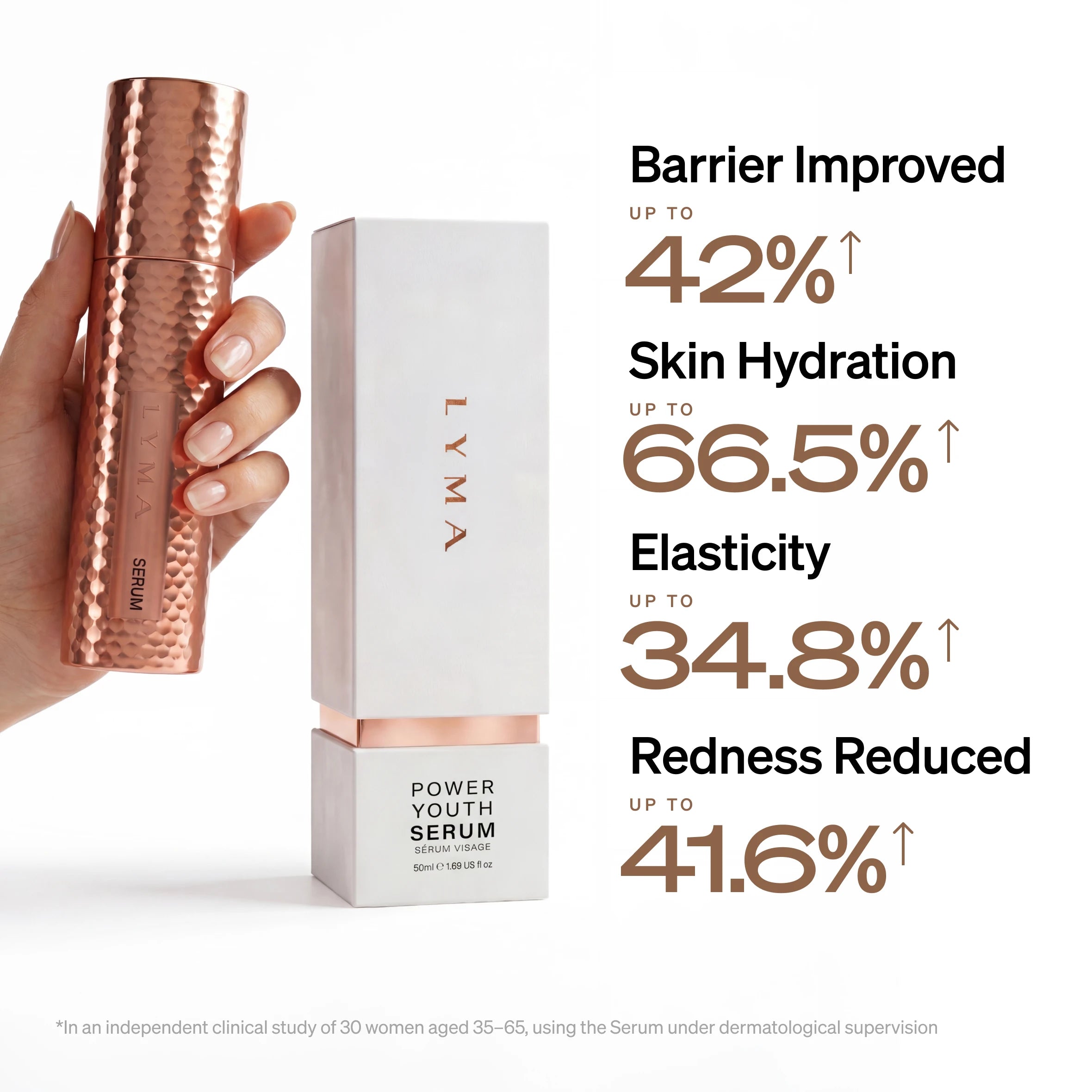
"Skin that feels tight and looks dull is almost always caused by systemic dehydration: moisture isn't being attracted or retained, usually because the barrier has been compromised. Most serums try to address one problem, the Power Youth Serum has been designed to address them all.
The Power Youth Serum delivers next-generation hyaluronic systems, a dual-peptide complex, microalgae-derived exosome-inspired technology and probiotic proteins for immediate plumping and progressive hydration.
The Power Youth Serum also solves a formulation problem. Previous-generation serums relied on oils and heavy emollients to deliver nourishment, creating weight, residue, and poor layering compatibility. LYMA has moved to a lightweight gel-serum architecture: breathable, elegant, and engineered for modern routines where the serum can easily sit beneath SPF, makeup, or the LYMA Cream without interference.
What makes it groundbreaking? An extraordinary, highly concentrated combination of emollients and humectants. This is not a water-based vehicle with a handful of hero ingredients suspended in it. This is a formula where the vast majority of what touches your skin is doing something.
A complete reformulation built on five interconnected systems:
1. Multi-weight hyaluronic technology. A duo of next-generation hyaluronic systems - PrimalHyal™ Ultrafiller (acetylated HA for rapid visible plumping) and PrimalHyal™ Ultrareverse (ultra-low MW HA for deep hydration) - provides surface-to-depth hydration.
2. Dual peptide complex for firmness and elasticity. X50 Neosyno-Col combines palmitoyl pentapeptide-4 and copper tripeptide-1 in a targeted polymer-based carrier system. This is not peptides added to a formula - it is peptides engineered to reach the skin in a way that helps to support visible firmness, elasticity, and smoothness.
3. Microbiome and barrier intelligence. Relipidium (a probiotic-derived yeast protein) and Fucogel work synergistically to help support barrier function, a balanced skin microbiome and provide complementary barrier and soothing support. This is critical to long-term hydration resilience.
4. Bio-mimetic lipid system. A microalgae-derived extract (Chlamydomonas Reinhardtii) inspired by exosome-like structures helps to support skin communication pathways and vitality - reflecting the latest advances in cosmetic biotechnology.
5. Antioxidant and environmental defence. 2% niacinamide is known to provide coordinated shield against oxidative stress, pollution, and daily environmental aggressors - reducing visible dullness and supporting skin clarity.
The delivery architecture matters. Every active in this serum is formulated within a system designed for uniform distribution and optimised interactions. The peptide delivery complex, the gel-serum format, the carrier systems - these are not incidental. They are why the serum delivers both an instant smoothing effect and progressive, cumulative improvement.
Because the effects are cumulative, it's really important to keep using it twice a day - the changes will keep getting better: between weeks four and eight, you see the visible effects of the peptide and hyaluronic systems, which improve smoothness and firmness - softened fine lines, a firmer jawline and smoother skin around the eyes. After week twelve, with all five systems really bedding down, your skin appears younger."
What makes the Power Youth Cream groundbreaking
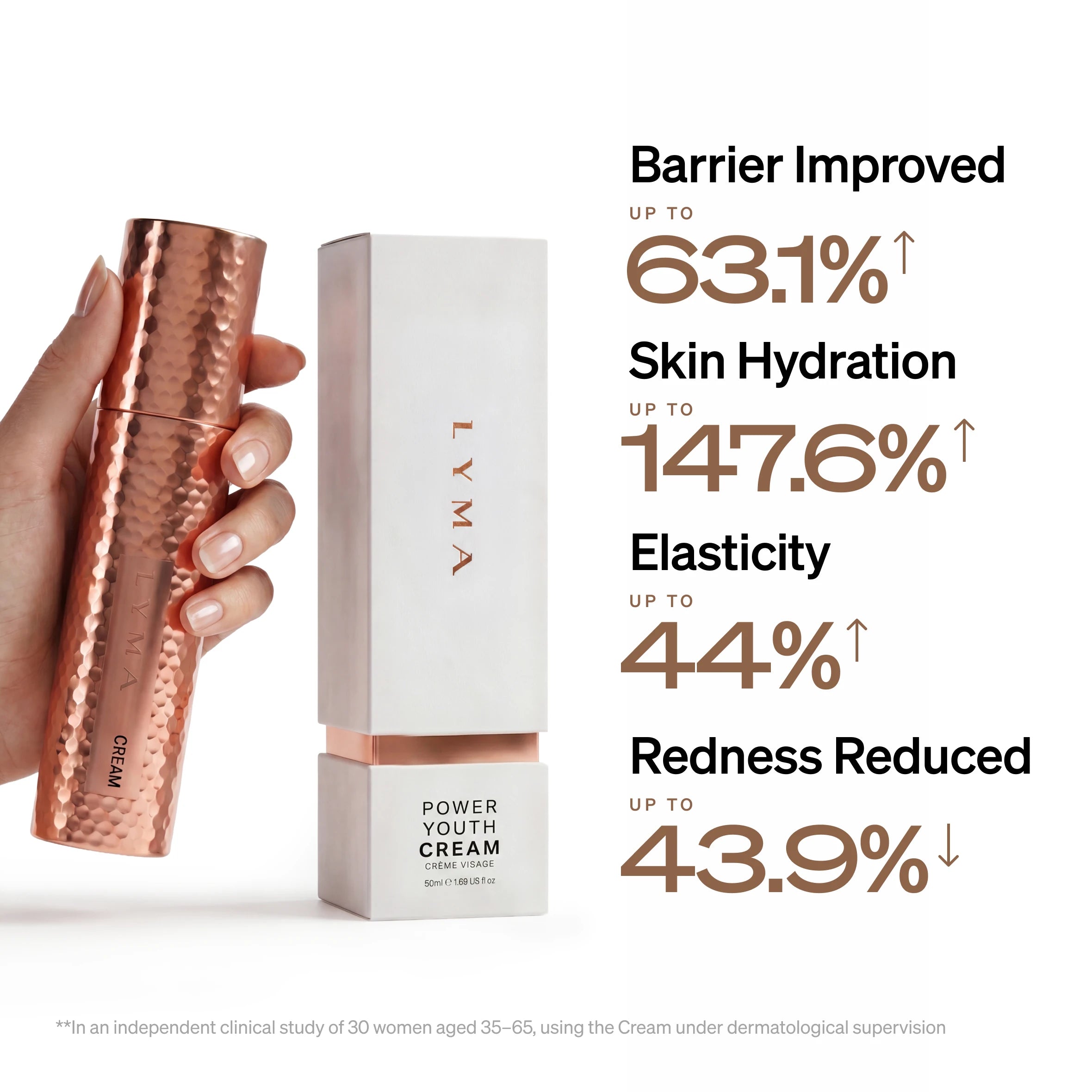
"Ageing skin does not have a single problem. It has five, and they reinforce each other. Most creams intervene at one point. The Power Youth Cream helps to intervene at every point.
The cream's formulation is groundbreaking because it is formulated with more than 60% actives and 7 patented actives - most creams contain 20% actives. The Power Youth Cream is an entirely different product.
You'll notice five dimensions of renewal and visible lifting within weeks:
1. Instant smoothness and visible lifting. Sodium DNA (Kalinat AW) creates a gentle film known for immediate smoothing. PrimalHyal Ultrafiller is designed to provide rapid, visible plumping. SNAP-8 peptide targets expression lines by helping to reduce the appearance of wrinkle depth caused by facial micro-tensions. The result is skin that looks visibly different from the first application.
2. Deep, multi-layer hydration. HyMagic™-4D and HyaClear® 7 combine multiple molecular weights of hyaluronic acid known to deliver surface-to-depth moisture. MultiMoist CLR provides both immediate and long-term moisturisation. Natural Betaine locks in hydration at the deepest levels. This is not one-dimensional hydration - it is an architecture of moisture.
3. Barrier and lipid strengthening. L22 at 3% is a lipid-mimetic engineered to match the lipid profile of youthful skin - restoring elasticity, improving hydration, and strengthening barrier function. This is the difference between a cream that moisturises and a cream that helps support the skin's barrier. Competitors that lack a lipid mimic rely only on occlusives and emollients; LYMA helps to support the barrier itself.
4. Antioxidant defence. Ergothioneine (Bioyouth-EGT) - a rare mitochondrial antioxidant - combined with Quercevita™ (a patented quercetin phytosome) provides protection against oxidative stress and photo-ageing. This combination is stronger than creams offering a single antioxidant because it targets different mechanisms of oxidative damage simultaneously.
5. Wrinkles and fine lines. Sytenol® A (bakuchiol) and retinyl palmitate are known to deliver retinol-like texture refinement and tone correction without the irritation profile of traditional retinoids. Dermasooth, CM-Glucan Forte, and Quercevita™ are known to provide anti-irritant and skin-calming benefits, meaning this cream is engineered to be suitable for sensitive skin, not just tolerant skin.
A next-generation lipid system. The cream uses lightweight, biomimetic emollients - coco-caprylate, isoalkanes, structured triglycerides, squalane, jojoba esters, shea butter - that reduce transepidermal water loss and support the barrier without heaviness or greasiness. This is a modern lipid architecture that replaces the heavier occlusive systems of previous-generation creams.
Biotech-driven actives. Matsutake mycelium ferment, Lactococcus ferment, and marine extracts (Ulva compressa) support skin conditioning, barrier function, and overall skin quality - reflecting a shift toward bio-compatible, fermentation-derived ingredients that interact efficiently with the skin."
Why LYMA replaces a multi-step routine
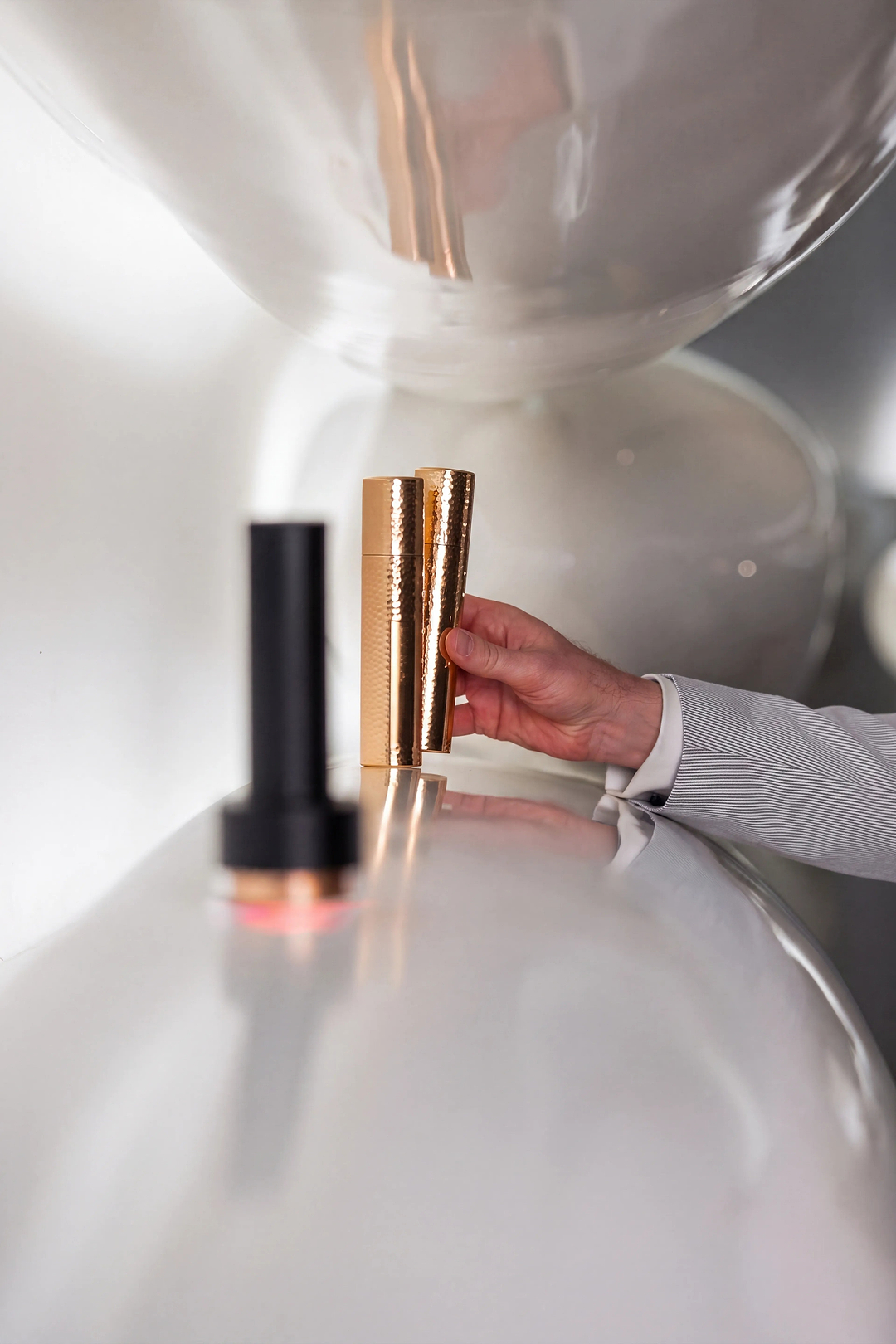
"Both the Power Youth Cream and the Power Youth Serum represent a deliberate consolidation: collapsing what was previously a multi-step, multi-product routine into single intelligent systems.
This is not simplification. It is a harder scientific problem to solve. Combining actives that work through different mechanisms - peptides, hyaluronic systems, antioxidants, lipid complexes - into one stable, effective formulation requires advanced delivery architecture and formulation science. The result is fewer steps and advanced performance."
Discover LYMA Skincare
Explore the full range engineered by Dr Graeme Glass and built on Genolytic™ technology. Shop LYMA Skincare.
Watch the film: full transcript
Prefer to read it? Here's exactly what Dr Glass says in the video above.
Dr Graeme Glass, LYMA Director of Aesthetics: "Most skin care ends at the skin. LYMA begins beneath it. My name is Doctor Graeme Glass. I'm a consultant craniofacial plastic aesthetic surgeon and I am the aesthetic director of LYMA. As a surgeon, I was obsessed by why children heal faster. I created LYMA Skincare having found the answer. LYMA Skincare is not a beauty product. It was engineered with a global network of plastic surgeons, geneticists, and longevity scientists. This formula is the result of years of research into how aging impacts the skin.
I've spent my career below the surface. Most of what is sold as anti-aging happens on top of the skin or by injuring it on purpose to force a reaction. That was never my world. As a plastic and craniofacial reconstructive surgeon, my concern was tissue: how it heals, how it fails to, how you persuade it to do more than it would on its own.
When we talk about reengineering the skin at LYMA, we're referring to the five mechanisms of skin aging that LYMA Skincare has been developed to address: dehydration, barrier breakdown, oxidative damage, microbiome disruption and loss of structural integrity. Nothing in the body works in isolation and each of these compound the others. Moisture loss accelerates barrier breakdown, barrier breakdown increases oxidative damage, oxidative damage disrupts cellular function, and disrupted cellular function reduces firmness and radiance. It's a loop.
The best way to address problems associated with aging skin - like dryness, dullness or wrinkles - is to disrupt the process that causes them. Most skin care attempts to deal with the problem in front of it, not the root cause, and most simply don't have the scientific capacity to make any real impact. LYMA Skincare is incredibly advanced, so it's able to reengineer the skin system as a whole by targeting these five. Fixing one won't really make a difference.
Most skin care brands contain on average twenty percent actives. The Power Youth Cream is formulated with sixty six percent actives and the Power Youth Serum with sixty one percent. That's the LYMA difference. We'll always go further.
Genolytic technology is informed by the science of epigenetics and is built around three principles. First, multi-pathway thinking: we don't target one concern, we target the interconnected systems that determine how skin ages. Second, breakthrough delivery: we use targeted peptide carrier systems, polymer based delivery complexes, and single phase emulsion technology to ensure that every active reaches the skin intact and ready to do its job. And third, the all-important ratio: the precise concentration and combination of actives formulated to work as part of a re-engineering system, not independently.
That's why LYMA Skincare delivers the results it does. It's not just the quality of the ingredients and the unprecedented high density of the actives, it's how they're engineered to perform together within the formula. Five mechanisms of aging, one formula, engineered to address them in concert. This is not skincare, it's skin science with an operating theater pedigree."


