
The beneficial bacteria in fermented foods are visitors, not residents. Here's what actually keeps your gut community fed.
Fermented foods are a genuinely worthwhile addition to your diet. But they don't provide what your gut bacteria need most. Here, we examine the science behind the gap and reveal what a complete approach looks like.
What fermented foods actually do for your gut
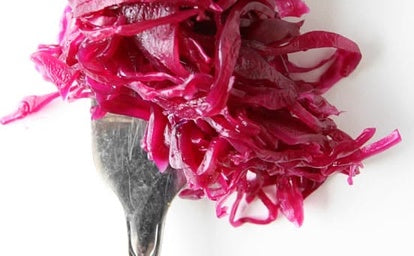
The case for fermented foods is well-established, and it deserves to be made properly before we look at what they can't do.
Research consistently shows that regular consumption of fermented foods - kefir, yoghurt, kimchi, sauerkraut, miso, kombucha - is associated with greater gut microbiome diversity, which researchers link to better digestive comfort and overall wellbeing. This is a genuine finding, not a wellness trend.
What fermented foods provide is live cultures: beneficial microorganisms that survive the fermentation process and, when consumed, contribute temporarily to the gut's microbial environment. Different fermented foods provide different types of beneficial bacteria, this is one reason variety across the fermented foods list tends to support better gut health outcomes than relying on a single source.
But here is what that research also shows, and what rarely makes it into the conversation that follows: the beneficial bacteria introduced by fermented foods are visitors, not residents. They contribute to the gut environment while they are present, before gradually returning to baseline. The live cultures survive fermentation. What they cannot do is feed the community that is already there.
What fermented foods do not reliably provide is prebiotic fibre. The fermentation process that creates their gut health benefits also consumes most of the available fibre in the base ingredient. Kefir and yoghurt contain no fibre. A typical serving of sauerkraut or kimchi provides around 1g of fibre, most of which is not the prebiotic type. Kombucha provides none.
This is not a criticism of fermented foods. It is a clarification of what they contribute - and what a complete gut health strategy also needs to include.
What fermented foods cannot do

Your gut is home to an enormous and well-established community of bacteria. The fundamental challenge of maintaining good gut health is not adding more bacteria from outside - it is providing the right conditions for the bacteria you already have to thrive.
Fermented foods contribute to gut health by introducing beneficial live cultures that temporarily enrich the microbial environment. What they cannot do is feed the bacteria already living there.
Beneficial gut bacteria ferment prebiotic fibre to produce compounds that support the gut's natural environment. Without enough prebiotic fibre in the diet, these bacteria have less to work with - and the gut's natural balance can become harder to maintain. This is the structural role that fermented foods, for all their genuine benefits, cannot play: they introduce beneficial visitors, but they cannot feed the resident community those visitors arrive into.
Think of it this way. Fermented foods bring visitors to a community that is already well-established. Prebiotic fibre is what keeps that community well-fed and functioning. Both have a role, but the feeding infrastructure comes first, and it cannot be substituted.
A well-fed, diverse gut community is a hospitable environment for the beneficial bacteria that fermented foods introduce. A gut that is prebiotic fibre-depleted is a much less welcoming one. The value of the visitors depends on the health of the community they are visiting.
How your gut's natural environment is supported and why fibre matters - understanding what your gut needs to stay in balance.
What your gut bacteria actually need: The role of prebiotic fibre

The fibre gap is not a wellness concept. It is a measurable shortfall between what the research suggests beneficial gut bacteria need to thrive, and what most UK adults actually consume.
The daily target for prebiotic fibre - the type that specifically feeds beneficial gut bacteria and supports their activity, is estimated at 15g or more. The average UK adult consumes around 4-6g. That gap of roughly 10g of missing prebiotic fibre every day is not something that fermented foods close.
~4-6g - average daily prebiotic fibre intake for UK adults
15g+ - prebiotic fibre needed to support a healthy, active gut microbiome
As the table below shows, even a diet that includes several fermented food servings daily adds only a small fraction of the fibre needed - and almost none of it is the prebiotic type:
|
Source |
Type |
fibre per serving |
Prebiotic fibre? |
SCFA contribution |
|
Kefir (200ml) |
Fermented dairy |
0g |
No |
Negligible |
|
Natural yoghurt (150g) |
Fermented dairy |
0g |
No |
Negligible |
|
Sauerkraut (50g) |
Fermented veg |
1.1g |
Trace only |
Minimal |
|
Kimchi (50g) |
Fermented veg |
1.2g |
Trace only |
Minimal |
|
Kombucha (250ml) |
Fermented tea |
0g |
No |
Negligible |
|
Miso (10g) |
Fermented soy |
0.4g |
Trace only |
Negligible |
|
TOTAL (daily serving each) |
- |
≈2.7g |
≈0.5g effective |
Well below threshold |
|
Prebiotic fibre needed (daily) |
- |
15g+ |
All prebiotic |
Meaningful SCFA output |
Without enough prebiotic fibre, the gut's beneficial bacteria have less to ferment - which reduces the production of the natural compounds that support gut comfort and a healthy gut environment. Fermented foods contribute beneficial live bacteria, but those bacteria need the fibre foundation to function effectively once they arrive. One without the other is an incomplete strategy.
Research into traditional populations with high dietary fibre intakes consistently shows that fermented foods were a regular part of the diet - but alongside, not instead of, very high levels of diverse plant fibre. The two work together. Modern diets have reduced both, but fibre reduction has been the more significant factor in declining gut microbiome diversity.
Understanding the modern fibre deficit - why most adults' fibre intake falls short, and what a meaningful daily amount looks like.
The complete strategy: Fermented foods and fibre working together

The most effective gut health strategy does not involve choosing between fermented foods and prebiotic fibre. It involves understanding what each contributes - and building a routine that gets both right.
Start with the fibre foundation. Diverse prebiotic fibre, consistently consumed, gives the gut bacteria you already have the substrate they need to maintain a healthy environment. This means fibre from multiple sources, not just one type, because different fibres support different gut bacteria across different parts of the digestive tract. Variety supports diversity, and diversity is what gut health research consistently associates with better digestive comfort and overall wellbeing.
Then add fermented foods as a complement. Kefir, yoghurt, kimchi, sauerkraut, miso - consumed regularly and varied - contribute beneficial live bacteria that enrich the gut environment. In a gut that is well-supported by prebiotic fibre, these live cultures have a hospitable community to contribute to. In a gut that is fibre-depleted, their contribution is more limited. The visitors need somewhere good to arrive.
For most people, reaching the recommended prebiotic fibre intake from food alone is challenging. A targeted prebiotic supplement - formulated with diverse fibre types that support the full length of the digestive tract, is a practical way to close the gap that diet and fermented foods alone typically cannot bridge.
Compare Prebiotics vs probiotics and understand the priority order as well as what to look for when choosing a gut health supplement in this journal.
Your Questions Answered

Are fermented foods good for gut health?
Yes - fermented foods are a genuinely valuable part of a gut health routine. They provide beneficial live bacteria that contribute to gut microbiome diversity, which research links to better digestive comfort and general wellbeing. However, fermented foods provide very little prebiotic fibre - the type of fibre that feeds your resident gut bacteria. A complete gut health strategy includes both fermented foods and consistent prebiotic fibre intake.
What are the best fermented foods for gut health?
Good choices include kefir, natural yoghurt with live cultures, kimchi, sauerkraut, miso, and kombucha. Each provides different types of beneficial bacteria, so variety across the fermented foods list tends to support a broader range of gut microbiome benefits. For best results, combine fermented foods with a diverse and consistent prebiotic fibre intake to give those beneficial bacteria the gut environment they need to thrive.
Do fermented foods contain fibre?
Not in meaningful quantities. Most fermented foods contain little to no prebiotic fibre - the fermentation process consumes most of the available fibre in the base ingredient. Kefir and yoghurt contain no fibre. A typical serving of sauerkraut or kimchi provides around 1g of total fibre, most of which is not the prebiotic type. Against a daily prebiotic fibre need of 15g or more, fermented foods alone make a very small contribution.
How much fibre do you need for gut health?
Research suggests that supporting a healthy, diverse gut microbiome requires at least 15g of prebiotic fibre daily. Most UK adults consume around 4-6g of prebiotic-specific fibre per day - a significant shortfall. Closing this gap through a combination of diverse prebiotic food sources and, where needed, a prebiotic fibre supplement is the most evidence-supported approach to improving gut health long-term.
Should I eat fermented foods and take a prebiotic supplement?
Both can work well together as part of a complete gut health routine. Prebiotic fibre provides the foundation: it feeds your resident gut bacteria and supports a healthy gut microbiome. Fermented foods add beneficial live bacteria that complement this foundation. For many people, diet alone is unlikely to provide enough prebiotic fibre to reach the recommended daily amount - making a prebiotic supplement a practical addition to a balanced approach.
What is the difference between prebiotic and probiotic?
Prebiotics are dietary fibres that feed the beneficial bacteria already living in your gut, supporting microbiome diversity and digestive comfort. Probiotics are live microorganisms - found in fermented foods and supplements - that contribute to the gut environment when consumed in sufficient quantities. Fermented foods are a source of probiotics. They are not a significant source of prebiotics. A healthy gut strategy uses both, with prebiotic fibre as the foundation.
Learn more about LYMA ID2 Gut Powder: microbiome, the LYMA ID2 gut health range: microbiome, and our verified science.


