
Your gut already has trillions of bacteria. The question is whether you're feeding them.
Walk into any pharmacy or scroll any wellness brand and the message is the same: take a probiotic. The biggest names in gut health are united by a probiotic-first logic - it is well-marketed and widely trusted.
However, science is now pointing us in a different direction and to a different starting point when it comes to gut health. Think of it as seeds and fertiliser. Probiotics bring the seeds, but your gut already has trillions of bacteria developed over a lifetime, and a highly competitive ecosystem is not empty soil waiting to be planted. Without the right conditions, new arrivals rarely establish and rarely last. Fertiliser first. Prebiotics are the infrastructure that creates those conditions - the fibre substrate that feeds, sustains, and supports the microbiome you already have. LYMA's formulation is built on this principle, and it changes the logic of everything that follows.
Prebiotic vs probiotic: what's the real difference?
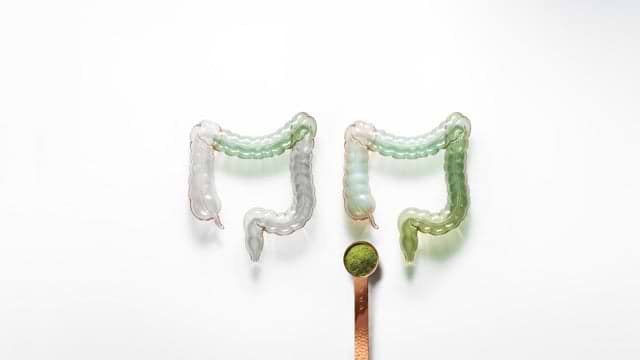
The clearest way to explain the prebiotic vs probiotic difference is this: probiotics are live beneficial bacteria; prebiotics are the fibre those bacteria need to thrive. One introduces new organisms to the gut; the other feeds the organisms already living there.
Probiotics are live microorganisms that, in sufficient quantities, may support gut health. Found naturally in fermented foods such as yoghurt, kefir, and sauerkraut, they are also widely available as supplements. Their effects are real - but they are also conditional. Whether a probiotic delivers a benefit depends on the strain, the dose, whether the bacteria survive their journey to the gut, and whether the gut environment is hospitable enough to support them on arrival.
Prebiotics are a form of dietary fibre the body cannot digest directly. Instead, they pass through to the gut, where resident gut bacteria break them down. This process supports the gut microbiome, helping to maintain the diversity and balance of gut bacteria that research associates with digestive comfort and general wellbeing.
The distinction matters practically because most people start with probiotics. The science increasingly suggests that prebiotics - specifically diverse prebiotic fibre - are the more foundational starting point. Here is why.
| Prebiotics | Probiotics | |
|---|---|---|
| Action | Feed your existing gut bacteria | Introduce beneficial live bacteria |
| Nature | Non-digestible dietary fibre | Live microorganisms (bacteria or yeasts) |
| Microbiome impact | Support gut microbiome diversity | Provide strain-specific gut support |
| Duration of effect | Sustained with consistent intake | Typically require ongoing probiotic intake |
| Source | Found in plant foods and prebiotic supplements | Found in fermented foods and probiotic supplements |
| Role | Foundation of gut microbiome support | Best used alongside a prebiotic foundation |
Why probiotics alone may not be enough

Probiotics are genuinely useful, but the research tells a more nuanced story than the supplement market tends to suggest. Understanding their limitations leads to a more informed view of what your gut actually needs.
The first consideration is that the bacteria in probiotic supplements are transient. They do not take up lasting residence in the gut. The gut's microbial community is well-established, and external bacteria generally pass through rather than settle. Research shows that individuals can respond very differently to the same probiotic - some experiencing meaningful shifts in their gut environment, others showing little change at all.
The second is strain specificity. The term 'probiotic' covers thousands of bacterial types, each with different properties. A product studied for digestive comfort in one context may not produce the same result in another. The strain, the dose, and the quality of research behind any given product all matter considerably.
The third, and most relevant to the prebiotic vs probiotic question, is that probiotics depend on prebiotic fibre to function. Without the fibre to sustain them, beneficial bacteria cannot perform the work that makes them valuable. Introducing bacteria to a gut environment that is low in prebiotic fibre is a little like supplying workers to a factory with no raw materials. The foundation needs to come first.
Read this journal to understand your gut's natural barrier and what supports it.How your gut lining is supported and why fibre is central to that process
What are prebiotics and why does fibre type matter?
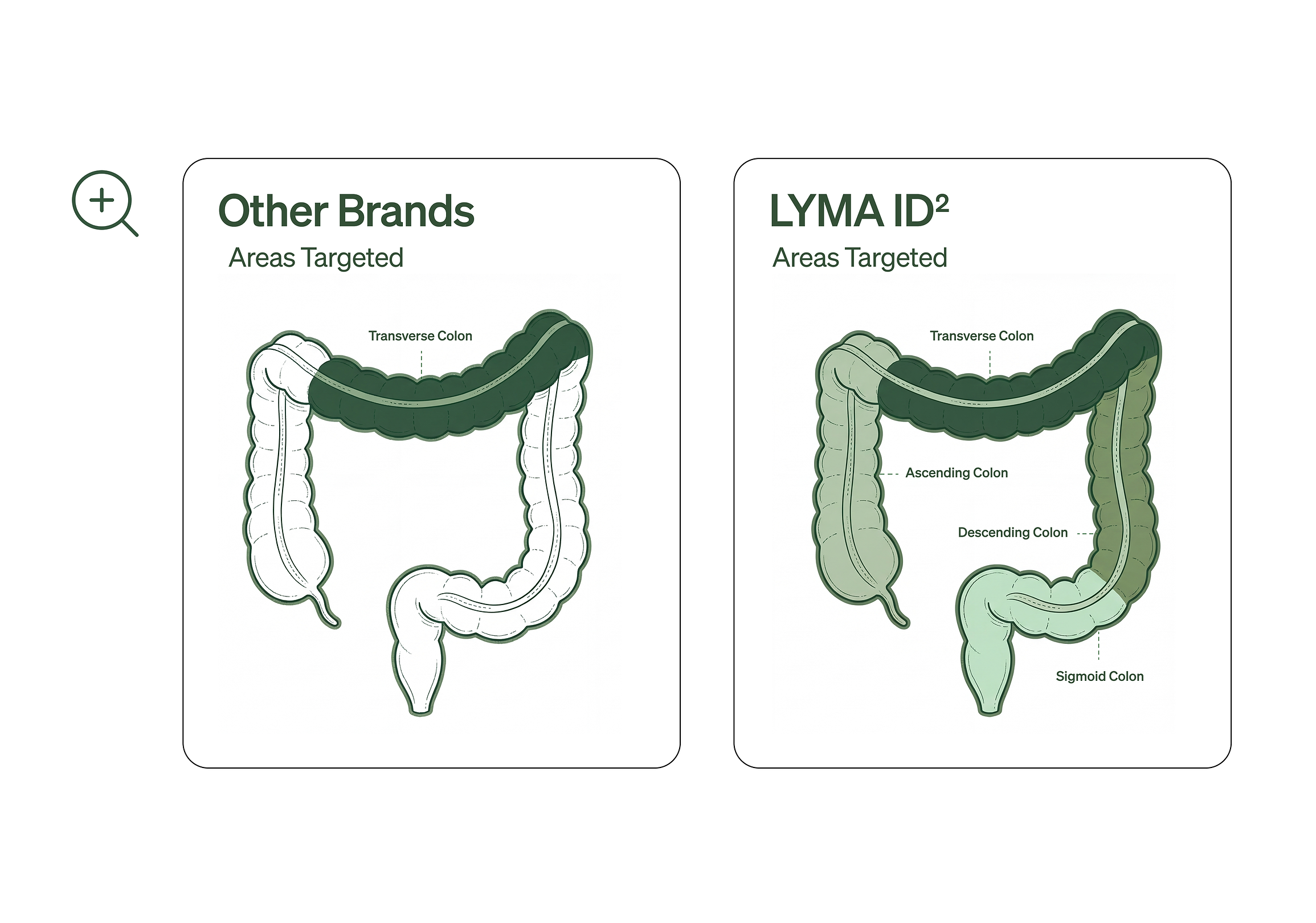
Prebiotic fibre is not a single ingredient; it is a category. Different types feed different populations of gut bacteria and support different aspects of gut comfort and function. This distinction is central to understanding the prebiotic vs probiotic debate properly.
Some prebiotic fibres are broken down quickly in the earlier parts of the digestive tract. Others ferment more slowly, travelling further before they are utilised. Fibres that reach further along the digestive system can support a broader range of gut bacteria, contributing to a more diverse gut microbiome overall. This is why the type and variety of prebiotic fibre matters as much as the total amount consumed.
Prebiotic foods - garlic, onion, leeks, chicory, asparagus, slightly underripe bananas, oats, flaxseed, and apples - can all contribute meaningfully to gut microbiome diversity as part of a varied diet. In practice, most adults in the UK fall short of the recommended daily fibre intake. And even those who meet the overall target often lack the variety of fibre types needed to support the full range of gut bacteria.
Read this journal to find out why fibremaxxing is more than a TikTok trend - and what the science says about increasing fibre diversity for gut health.
Choosing a gut health supplement: what to look for

With so many gut health supplements available, the prebiotic vs probiotic question often comes down to two things: where to start, and what to look for.
When assessing a prebiotic, look for products that include a variety of fibre types rather than a single isolated compound - fibre variety supports a broader range of gut bacteria. Consider whether the fibre content is sufficient to make a meaningful difference, given that most adults need to add significant amounts of daily fibre to reach recommended intake levels. And consider how the fibre is formulated - whether it is likely to support gut bacteria across the full length of the digestive tract, not just the initial portion.
When assessing a probiotic, look for products where the specific strains have been studied for the outcome you are looking to support. Consider how the product is packaged to protect bacterial survival in transit. And consider whether it includes a prebiotic component - or whether it relies on diet alone to provide the fibre foundation.
For most people, the evidence-supported starting point is a consistent increase in diverse prebiotic fibre intake. This supports the gut microbiome already present - its diversity, its balance, and its capacity to support digestive comfort and general wellbeing - before introducing probiotics as a targeted complement.
Explore the gut-brain connection and why a healthy gut supports more than just digestion - how your gut microbiome supports your mood and stress response.

FAQs
What is the difference between prebiotics and probiotics?
Prebiotics are dietary fibres that feed the beneficial bacteria already living in your gut, helping to support gut microbiome diversity and digestive comfort. Probiotics are live bacteria that may support gut health when consumed in sufficient quantities. The key difference is that prebiotics nourish your existing gut microbiome, while probiotics introduce additional bacteria. Most evidence supports starting with prebiotic fibre as the foundation.
Should I take prebiotics or probiotics?
For most people, building a prebiotic fibre foundation is the recommended starting point. Probiotics work best in a gut environment that is already well-supported by prebiotic fibre. Without the fibre foundation, probiotic bacteria have less to work with and are more likely to pass through without lasting benefit. A fibre-first approach, consistently maintained, supports the gut microbiome over the long term.
What foods are high in prebiotics?
Good sources of prebiotic fibre include garlic, onion, leeks, chicory root, asparagus, slightly underripe bananas, oats, flaxseed, and apples. Variety is important - different prebiotic fibres support different gut bacteria. Most people in the UK consume less than the recommended daily fibre intake, and even fewer get a wide enough variety of fibre types to fully support their gut microbiome.
Are probiotics worth taking?
Probiotics can be a useful addition to a gut health routine, particularly when they are strain-specific and used alongside a prebiotic fibre foundation. Their benefits are real but conditional: they depend on the strain, the dose, and the gut environment they encounter. Research suggests their effects are most meaningful when the gut is already well-supported by prebiotic fibre.
What is a prebiotic supplement?
A prebiotic supplement provides concentrated prebiotic fibre i.e. the type of dietary fibre that feeds beneficial gut bacteria. Unlike probiotics, prebiotic supplements do not contain live bacteria. They support the gut microbiome by providing the fibre foundation that gut bacteria need to thrive, maintain diversity, and support digestive comfort. Variety of fibre type matters as much as total fibre content.
Why is fibre important for gut health?
Dietary fibre, particularly prebiotic fibre, is the primary food source for your gut bacteria. Without enough fibre, gut microbiome diversity declines over time. A diverse gut microbiome is associated with better digestive comfort, immune support, and general wellbeing. Consistent, varied fibre intake is the single most evidence-supported lifestyle factor for maintaining a healthy gut.
Discover LYMA ID² - the prebiotic-first formulation built on the fibre-first principle.
Learn more about the LYMA ID2 gut health range: probiotics, and our verified science.


