


What ashwagandha is, Sensoril® vs KSM-66, the doses studied, and the safety facts.
The short answer: ashwagandha has been used for thousands of years, but modern research keeps coming back to one question: stress. Trials have given people a daily extract for 6 to 12 weeks and measured their stress scores, cortisol (the stress hormone) and sleep. The internet's bigger promises, from fixing your thyroid to fighting cancer? The research there is still small and early: one to watch, not one to count on yet. Here's what the research has actually looked at, and who should skip it.
Below, we cover what ashwagandha and Sensoril® are, how Sensoril® differs from KSM-66, what the research has looked at for women and men, how much to take per day, and who should avoid it.
Jump to: What is Sensoril®? · Sensoril® vs KSM-66 · The research · Dosage · Side effects and safety · FAQs
What is ashwagandha, and what is Sensoril®?
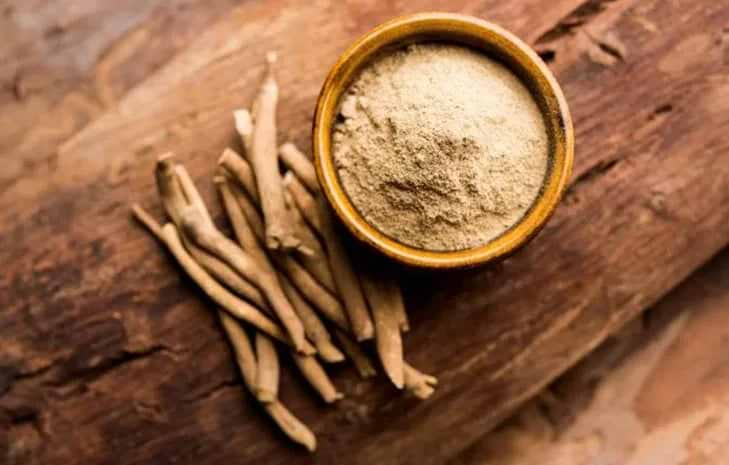
Ashwagandha (Withania somnifera), also called Indian ginseng or winter cherry, is a small shrub whose root and leaves have been used in Ayurvedic medicine for thousands of years. It's classed as an adaptogen: a plant traditionally used to help the body cope with stress. Its main active compounds are withanolides, and supplements are usually standardised to a set amount of them.
What is Sensoril®?
Sensoril® is a patented ashwagandha extract made from both the root and the leaf of the plant, standardised to a high level of withanolide glycosides. Because it's more concentrated than most root powders, it's taken at a lower daily dose, and it's been studied in its own human trials. It's the form of ashwagandha in the LYMA Supplement.
What does ashwagandha do?
Researchers believe ashwagandha acts mainly on the body's stress-response system, the hypothalamic-pituitary-adrenal (HPA) axis, which controls cortisol. That's why most research has focused on stress and sleep.
Sensoril® vs KSM-66: what’s the difference?
Both are patented, standardised ashwagandha extracts, but they aren't interchangeable. KSM-66 is made from the root only, standardised to at least 5% withanolides, and studied at 300–600mg a day. Sensoril® is made from the root and leaf, standardised to at least 10% withanolide glycosides, and studied at lower doses of 125–250mg a day. Because they're concentrated differently, you can't compare them milligram for milligram: always follow the dose used in the research on that specific extract.
What has research on ashwagandha looked at?
Stress and cortisol
This is the area most studied. Reviews of randomised trials have looked at perceived stress and anxiety scores in adults taking ashwagandha or a placebo. A 60-day trial of Sensoril®, the form used in LYMA, gave chronically stressed adults 125–500mg a day and measured stress scores and cortisol, the body's main stress hormone. Read more about cortisol and stress.
Sleep
A 2021 review pooled five trials of ashwagandha and sleep, using root extract doses of 600mg or more taken for at least eight weeks. For the bigger picture on rest, see how much sleep you really need.
Mood, focus and energy
Smaller trials have looked at mood, concentration and exercise performance, including strength and endurance in active adults. The research here is less extensive than for stress.
Ashwagandha for women
For women, most research mirrors the general work on stress and sleep. Women who are pregnant, breastfeeding or trying to conceive should not take it; see the safety section below.
Ashwagandha for men
Trials in men have measured testosterone levels and strength during resistance training. Read more in our piece on ashwagandha for men.
You'll see ashwagandha linked online to thyroid health, blood sugar, cholesterol, cancer and Alzheimer's. Those claims come from small human studies or from animal and lab work, and they aren't reasons to take it. Ashwagandha is best studied for stress, not as a cure-all.
How much ashwagandha should you take per day?
It depends on the extract. Studies of Sensoril® have used 125–250mg a day for stress; root-only extracts are usually studied at 300–600mg. Higher doses aren't necessarily better, and most trials lasted no longer than 12 weeks.
When is the best time to take ashwagandha?
Morning or evening both work, as long as you're consistent. Take it with food to reduce the chance of an upset stomach. Some people find it mildly relaxing, so if it makes you drowsy, switch to the evening.
How long does ashwagandha take to work?
Most trials measured changes after six to eight weeks of daily use. Give it at least a month before judging whether it suits you.

Is ashwagandha safe? Side effects and who should avoid it
In clinical trials, ashwagandha was generally well tolerated and otherwise the most common side effects are mild: stomach upset, diarrhoea, drowsiness and headache.
Rare cases of liver injury have been reported, usually resolving after people stopped taking it. Ashwagandha can also affect thyroid hormone levels. Because of these reports, the UK Food Standards Agency is reviewing its safety, and several European regulators have issued advice; Denmark banned it in 2023.
Don't take ashwagandha if you are pregnant, breastfeeding or trying to conceive, or have a liver condition. Speak to your GP first if you have a thyroid or autoimmune condition, take sedatives or medicines for thyroid, blood sugar, blood pressure or immune suppression, have hormone-sensitive prostate cancer, or have surgery coming up.
Ashwagandha side effects for women
Women face the same side effects as men, with one key difference: ashwagandha should be avoided in pregnancy, while breastfeeding and when trying to conceive, as its safety hasn't been established. Women are also more likely to have thyroid conditions, which is another reason to check with your GP first.
Stop and see your GP if you notice yellowing of your skin or eyes, dark urine, itching or pain in your upper abdomen.
Sensoril® ashwagandha in the LYMA Supplement
The LYMA Supplement contains 250mg of Sensoril® ashwagandha a day, within the dose range used in its research, alongside ten other patented ingredients, including Cognizin® citicoline. The daily dose is four capsules with breakfast or 2 capsules twice a day with food.

If you rely on focus as much as calm, read more about what Cognizin® is and how it works.
Ashwagandha: your questions answered
Does ashwagandha work?
Research is most consistent for stress and smaller for sleep; for most other claims, there isn't enough good human research yet.
Does ashwagandha make you sleepy?
It can make some people feel drowsy, which is why its Latin name, somnifera, means sleep-inducing. If it does, take it in the evening.
Can you take ashwagandha every day?
Trials used it daily for up to three months, and that's how it's designed to be taken. Long-term safety beyond that hasn't been well studied.
Can you take ashwagandha with coffee?
Yes. There's no known interaction, although some people find it balances the edge they get from caffeine.
Does ashwagandha cause weight gain?
There's no good evidence that it does, or that it causes weight loss.
Ashwagandha is one of the most researched adaptogens, mainly for stress and sleep, with a long list of online claims that go well beyond the evidence. If you take it, choose a standardised, well-studied extract at the dose used in its trials, and skip it if you're pregnant or have a liver condition.
A steady routine, good sleep and a calm start to the day: small habits, kept consistently.
Always consult your medical professional if you have a medical condition, or existing health protocol, before beginning any new supplementation regime.
References
Auddy B et al. A standardized Withania somnifera extract significantly reduces stress-related parameters in chronically stressed humans: a double-blind, randomized, placebo-controlled study. JANA. 2008;11(1):50–56.
Akhgarjand C et al. Does ashwagandha supplementation have a beneficial effect on the management of anxiety and stress? A systematic review and meta-analysis of randomized controlled trials. Phytother Res. 2022;36(11):4115–4124.
Cheah KL et al. Effect of ashwagandha (Withania somnifera) extract on sleep: a systematic review and meta-analysis. PLoS One. 2021;16(9):e0257843.
Lopresti AL et al. A randomized, double-blind, placebo-controlled, crossover study examining the hormonal and vitality effects of ashwagandha in aging, overweight males. Am J Mens Health. 2019;13(2):1557988319835985.
NIH Office of Dietary Supplements. Ashwagandha: is it helpful for stress, anxiety, or sleep? Health Professional Fact Sheet.
German Federal Institute for Risk Assessment (BfR). Ashwagandha: food supplements with potential health risks. Communication 39/2024.
Food Standards Agency. Call for evidence: ashwagandha. 2024.


