

What it does - and what published research can (and can’t) tell us about switching it “on.”
Inside many of your cells is a protein called SIRT1 (Sirtuin 1). It’s often discussed in longevity research because it helps regulate cellular programs linked to stress response, inflammation, metabolism, and DNA maintenance.
For decades, researchers have known that SIRT1-a member of the sirtuin family of proteins-plays a central role in how organisms age. Studies in yeast, worms, flies, and mammals all point to the same conclusion: when SIRT1 is active, cells function better. When it declines, ageing accelerates.
What is SIRT1?
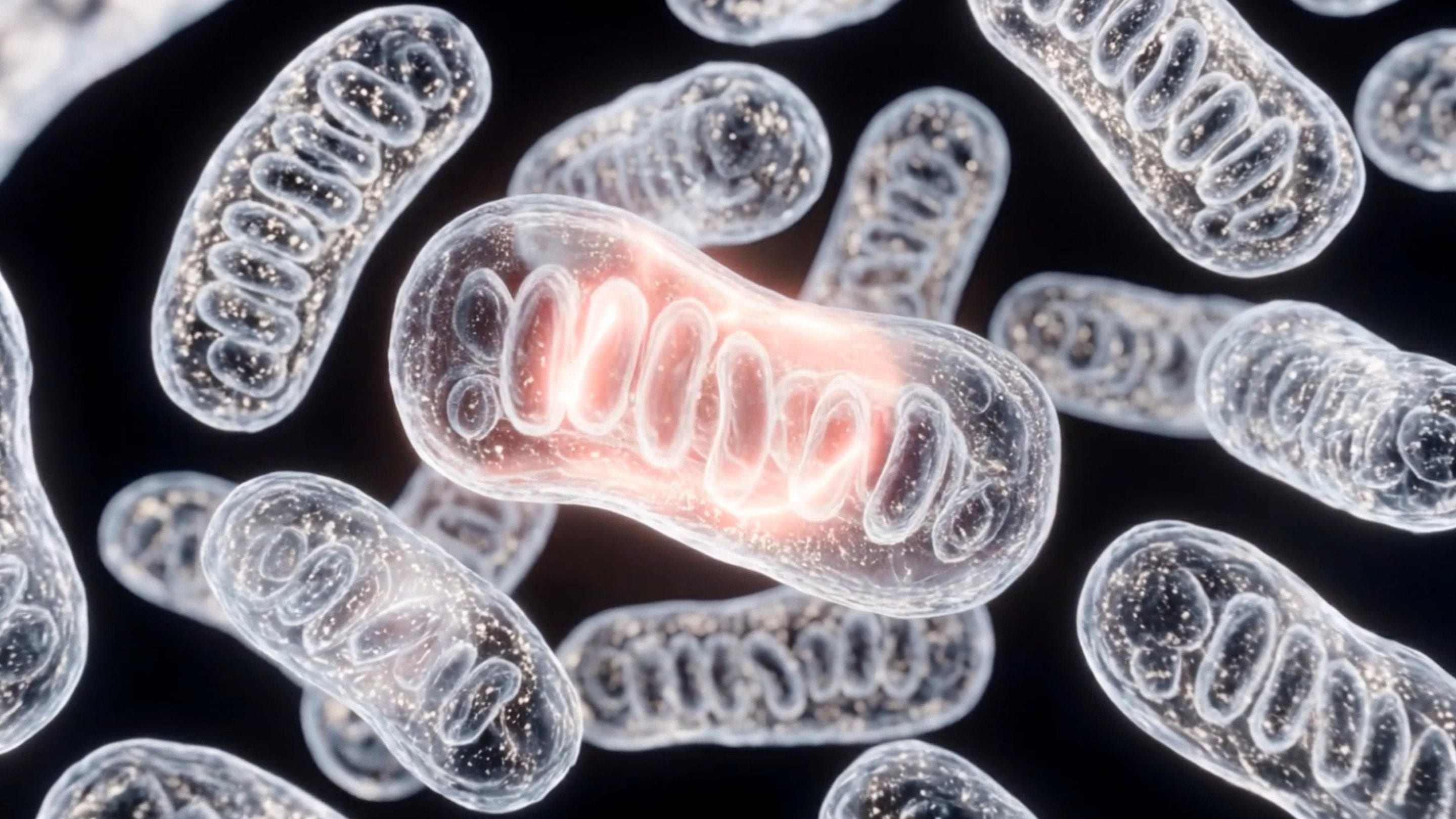
SIRT1 is a NAD+-dependent deacetylase. In practical terms, it can modify other proteins by removing acetyl groups, which can change how those proteins behave. Through these interactions, SIRT1 can influence pathways involved in cellular survival and stress adaptation.
The proteins SIRT1 regulates aren’t just any proteins. They include p53 (the “guardian of the genome”), FOXO transcription factors (which control stress resistance), and PGC-1α (which manages mitochondrial function). Through these targets, SIRT1 influences cellular survival, DNA repair, inflammation, metabolism, and more.
SIRT1’s activity is also connected to NAD+, a molecule cells use in energy metabolism. Because SIRT1 relies on NAD+ for its enzymatic function, changes in cellular NAD+ availability can affect SIRT1 signalling.
Does SIRT1 change with age?
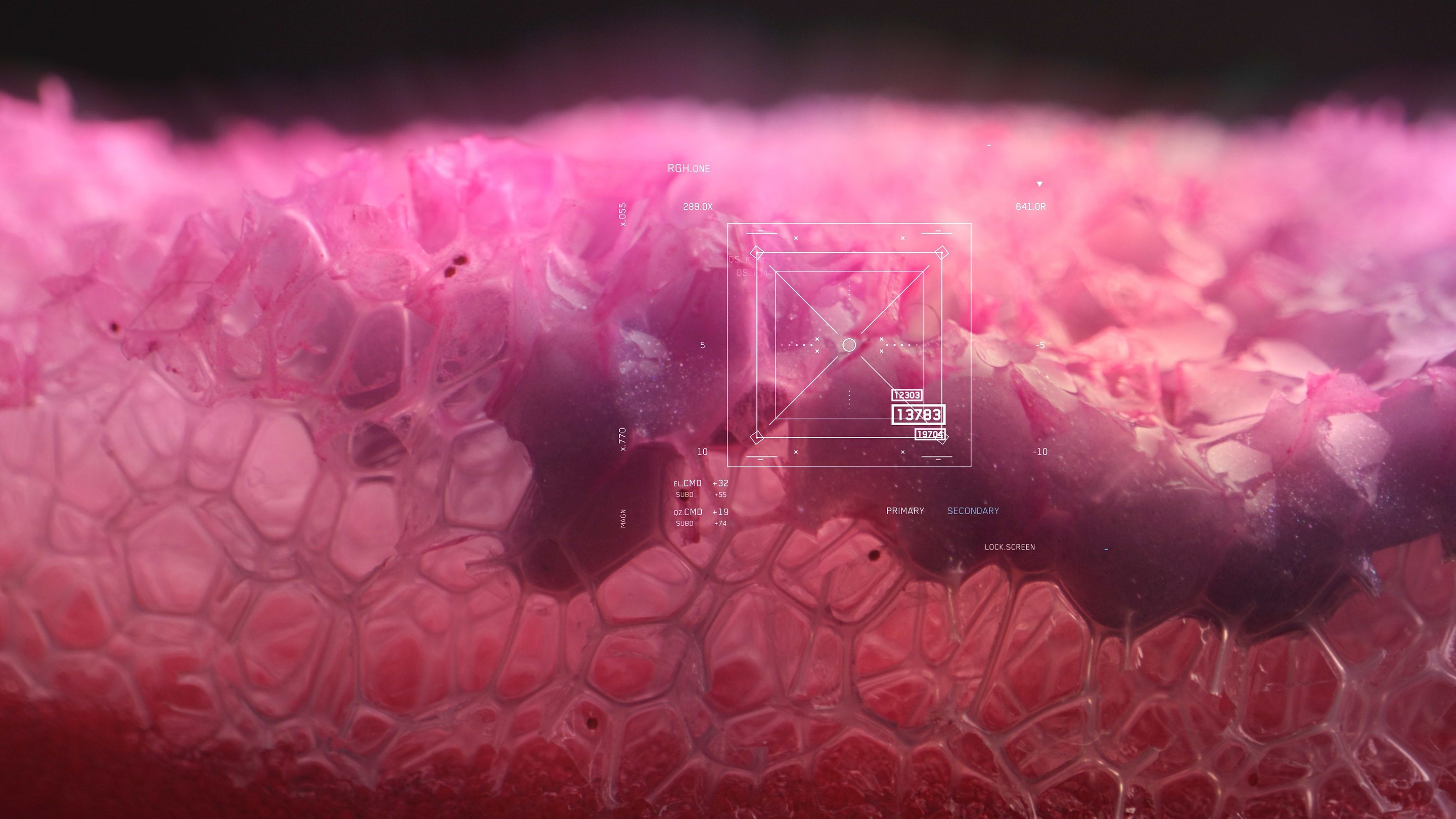
SIRT1 biology in humans is complex and can vary by tissue and context.
In skin-focused research, multiple studies report age-associated decreases of SIRT1 in dermal fibroblasts (the cells involved in maintaining skin’s structural proteins). Other studies in different tissues or assays report different patterns, including increases in certain blood-based measurements in older cohorts.
The key takeaway: SIRT1 is closely tied to how cells respond to stress and ageing-related signals, but it isn’t accurate to present a single universal “percent drop by age X” across the whole body.
Can SIRT1 be modulated?
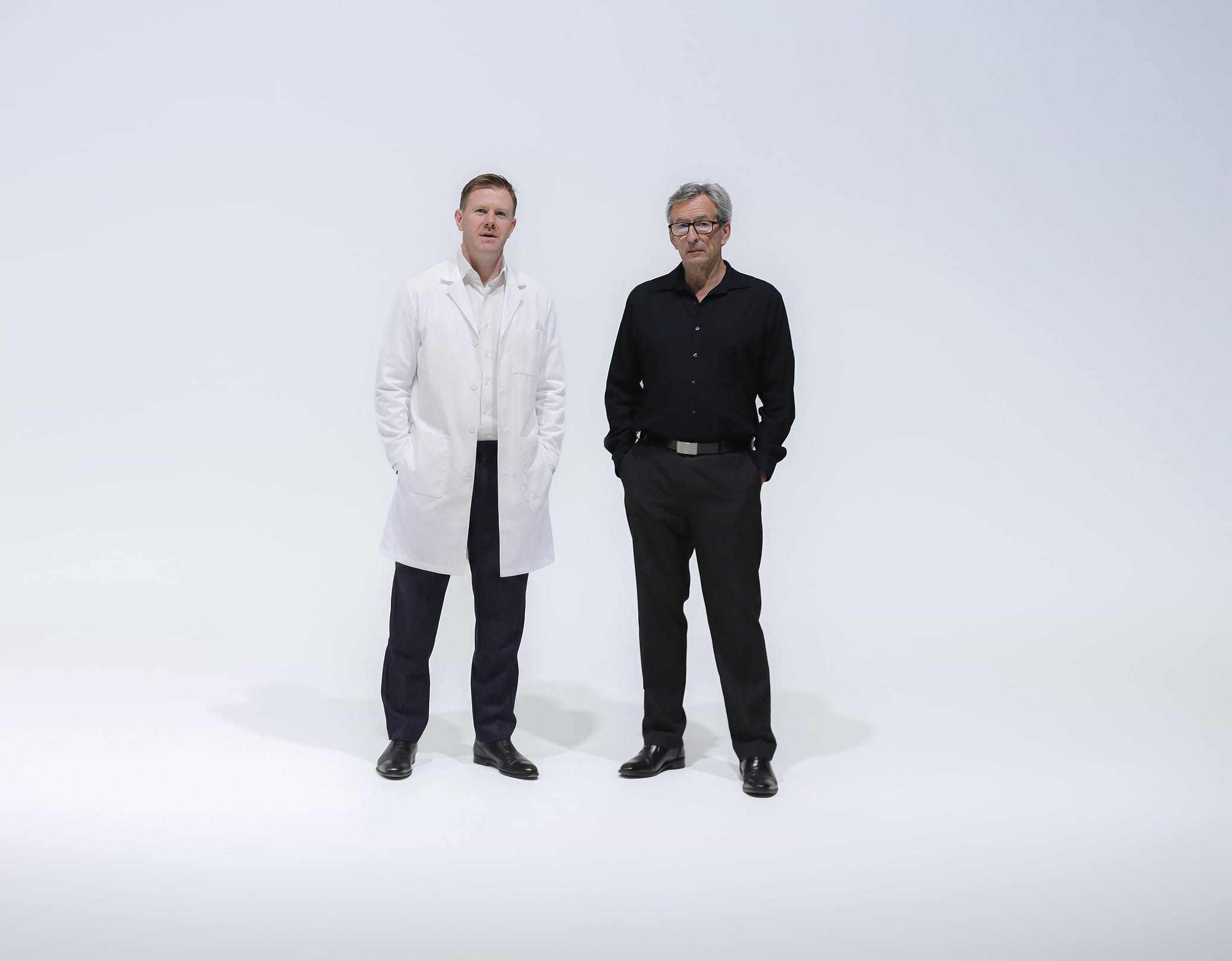 Photo: LYMA Aesthetic Director Dr. Graeme Glass PhD and LYMA Director of Science, Professor Paul Clayton
Researchers have studied multiple approaches associated with SIRT1 signalling, including caloric restriction, exercise, and certain compounds investigated as “SIRT1-activating” candidates. This remains an active research area, and effects can depend on dose, tissue, and the endpoints being measured.
But what about direct intervention? Could targeted therapy modulate SIRT1-linked pathways in human tissue? That’s the question LYMA set out to investigate.
What the 2025 publication measured

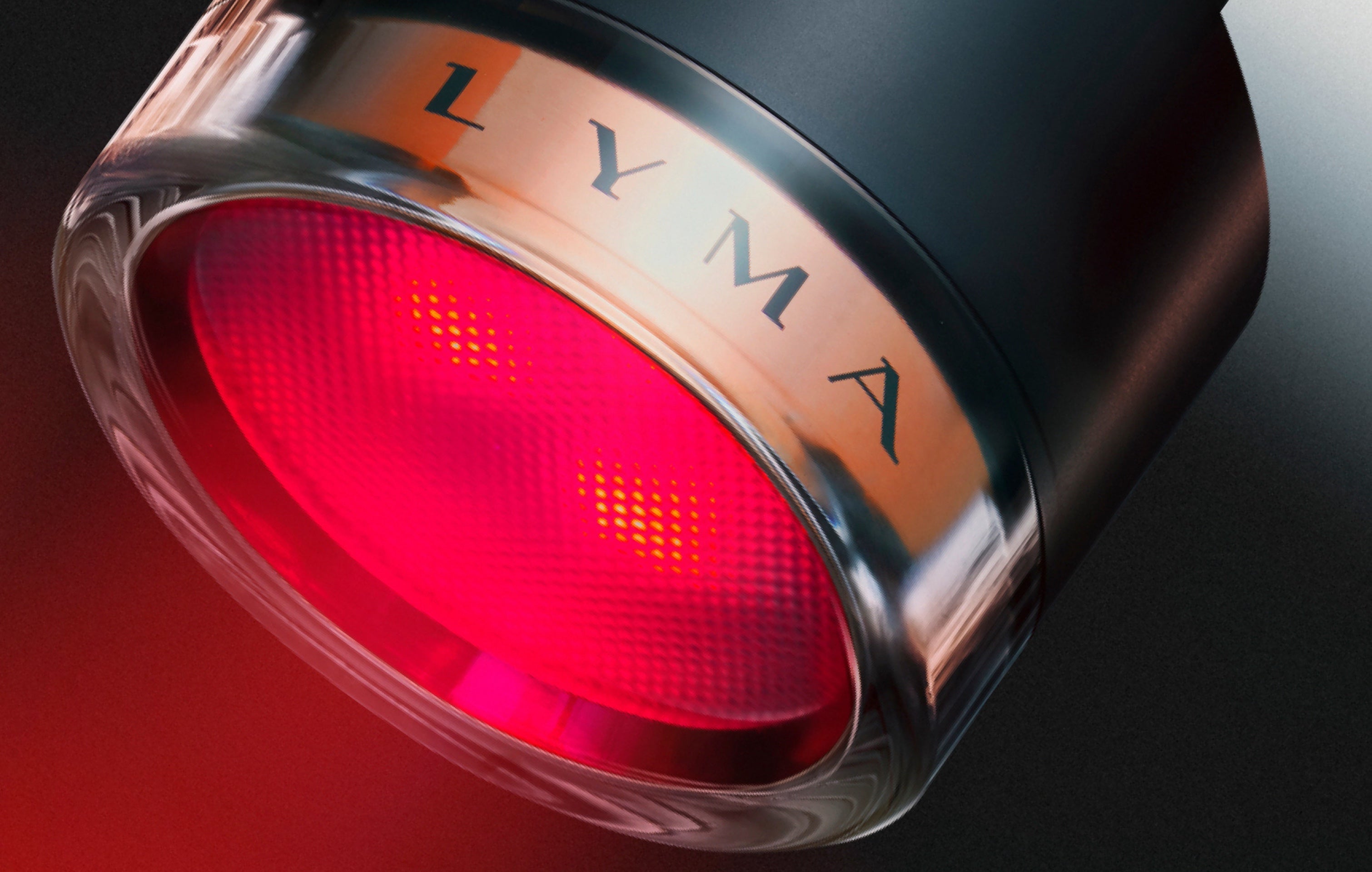
In a 2025 peer-reviewed study published in Aesthetic Surgery Journal Open Forum, researchers evaluated LYMA’s proprietary near-infrared (808 nm) laser device and compared it with a near-infrared LED device.
Preclinical (human skin tissue) arm:
The study used discarded post-abdominoplasty human skin from a consented 43-year-old female. The tissue was exposed repeatedly over 5 days, then biopsied for RNA extraction. Researchers ran targeted gene-expression assays (qPCR) across a panel of 107 genes and reported that the laser altered expression of 45 genes in that experimental setup.
Among the upregulated genes reported in the paper
SIRT1: 5.97-fold increase
TXNRD1: 32.33-fold increase
HBEGF: 31.63-fold increase
VEGFA: 5.46-fold increase
These results describe gene-expression changes in an ex vivo human skin model under the study conditions.
 Why light can influence biology
This category of treatment is often discussed under photobiomodulation - the use of specific wavelengths of light to influence cellular signalling without relying on thermal injury.
The scientific hypothesis in this area includes light absorption by cellular components (including mitochondrial chromophores) that can influence downstream signalling pathways and gene expression.
LYMA has FDA-cleared OTC light-based devices intended for treating wrinkles.
Clinical (chronic wound) arm
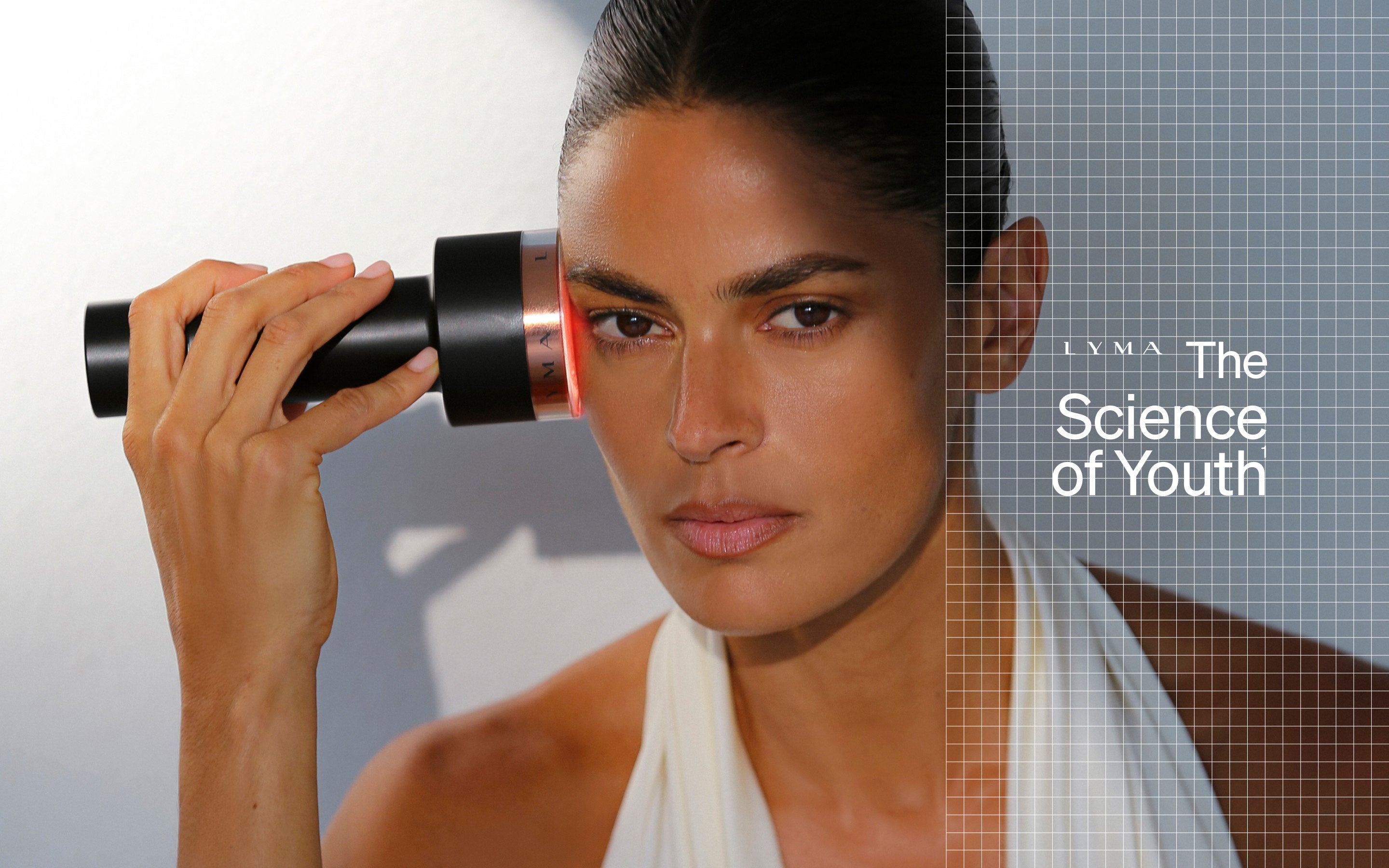
The same publication also reported a small randomized clinical study in 20 patients with chronic wounds receiving standard wound care with or without laser exposure during dressing changes over 4 weeks, reporting improved wound area reduction in the laser light group.
What this tells us
Published results like these help clarify what was measured, in what model, and under which conditions. They can also help separate what the data shows from what it can’t show.
The study reports measurable gene-expression changes in an ex vivo human skin setup, including SIRT1 upregulation under the reported conditions. It also reports clinical wound-healing outcomes in a small randomized study alongside standard care.


