
Leaky gut is real: prebiotic fibre is the fix most people are missing.
The phrase 'leaky gut syndrome' divides the medical community. Gastroenterologists will tell you it isn't a recognised diagnosis. Functional medicine practitioners cite it as the root of everything from fatigue to food intolerance. Both are, in their own way, correct - and the gap between them has left most people either dismissing the topic entirely or reaching for the wrong solution.
Here is the distinction that matters. Leaky gut syndrome is not a recognised medical diagnosis. Intestinal permeability - the biological phenomenon the term is loosely based on - is an area of published, peer-reviewed scientific research.
Research led by Dr Alessio Fasano at Harvard Medical School has explored how the gut's natural protective barrier functions and how various factors may influence it. His work helped establish a legitimate scientific foundation for questions that wellness culture had already been asking. The science is real. The label is not.
Most people who recognise that mechanism reach for probiotics. The science suggests they should be reaching for prebiotic fibre first - and not just any fibre. The chain length of that fibre influences where in the gut it ferments, how well it supports normal digestive function, and whether your gut's natural environment receives the sustained, full-length support it actually needs.

That is the argument this piece makes - and it starts with the structure of your gut.
The foundation: What supports your gut's natural function
Your entire gut lining is, at its thinnest, one cell thick. What keeps it functioning well isn't the thickness of that lining - it's the integrity of the natural seals that hold those cells together. When these seals are well maintained, your gut selectively absorbs what it should and keeps out what it shouldn't.
When those natural seals are not functioning at their best, the gut's natural balance may be compromised. This is an area of active scientific study, and while the research is evolving, it is a measurable biological property - not a wellness invention.
Factors that may affect your gut's natural environment include an imbalanced gut microbiome, a diet consistently low in prebiotic fibre, limited plant food variety, regular use of certain over-the-counter medications, alcohol, and prolonged stress. The common thread across most of these is a reduction in butyrate - a natural compound your gut produces from prebiotic fibre, which contributes to supporting a comfortable digestive environment.
For most adults, butyrate production is lower than it could be, and the root cause is almost always insufficient prebiotic fibre.
The fibre fix: Why prebiotic fibre is the key to digestive comfort
Butyrate is a natural compound produced when beneficial bacteria in your gut ferment prebiotic fibre. It is one of the most studied compounds in relation to digestive health, and research consistently points to it as a key factor in maintaining a comfortable gut environment.
Where butyrate production is consistently low - which is the case for the majority of adults, even those eating a broadly healthy diet - your gut's natural environment may not be as well supported as it could be. The root cause is almost always the same: not enough prebiotic fibre. Modern diets, even nutritious ones, typically deliver only around 4g of prebiotic fibre daily, far below the 15g associated with the digestive wellbeing seen in the world's longest-lived populations.
Without sufficient prebiotic fibre, the beneficial bacteria responsible for butyrate production cannot thrive, and your gut's natural comfort and function may be diminished as a result.
More prebiotic fibre is the foundation of any meaningful approach to digestive wellbeing. But quantity alone is only half the picture.

The variable nobody talks about: Why fibre length is the missing piece
Not all prebiotic fibre supports your gut in the same way, and the reason comes down to chain length.
Short-chain prebiotics ferment quickly, providing support primarily to the first part of your large intestine. Useful, but it leaves the lower portion of the gut largely unsupported. Longer-chain prebiotic fibres ferment more slowly, travelling further before breaking down and contributing to your gut's natural comfort throughout its full length - not just the upper portion.
Fibre length diversity - a combination of short, medium, and long-chain prebiotic fibres - is the most complete way to support your gut's natural environment from end to end. This is the fibre profile that naturally diverse, plant-rich diets provide. Modern diets, narrowed by agricultural uniformity and processing, rarely achieve it.
Professor Paul Clayton's research on long-lived populations makes the point clearly: the world's longest-lived individuals consistently consume diets featuring a wide range of fibre types and lengths, not just high fibre quantity. This fibre length diversity appears central to the digestive comfort and gut function observed in these populations across decades of life.
Single-source fibre supplements - inulin alone, psyllium alone - cannot replicate this. Addressing digestive comfort through prebiotic fibre requires a formulation specifically designed around fibre length diversity: the most complete approach to sustaining full-length gut support.
Prebiotics vs probiotics: Why the science puts prebiotics first for digestive comfort
For two decades, the gut health conversation has been dominated by probiotics. But for supporting digestive comfort and gut wellbeing specifically, the science points to a clear priority order: prebiotics first, probiotics second.
The reason comes down to what your gut actually needs. The beneficial bacteria most important to butyrate production are not available in commercially sold probiotic supplements. They are bacteria your gut already carries - in small numbers - that grow and thrive when given the right type of prebiotic fibre to feed on. Cultivating the beneficial populations your gut already has is more effective than attempting to introduce new ones from outside.
Prebiotics nourish and sustain the beneficial bacteria your gut already has. That is why, for digestive comfort and gut wellbeing, prebiotic fibre comes first.
A practical framework for supporting your gut's natural environment:
- Diverse prebiotic fibre - prioritising fibre length diversity for sustained, full-length digestive support. The essential foundation for anyone looking to support their gut's natural comfort and function.
- Probiotic strains as a complement - certain strains have been studied in relation to digestive comfort and gut wellbeing. A useful addition to a prebiotic-first approach, not the lead.
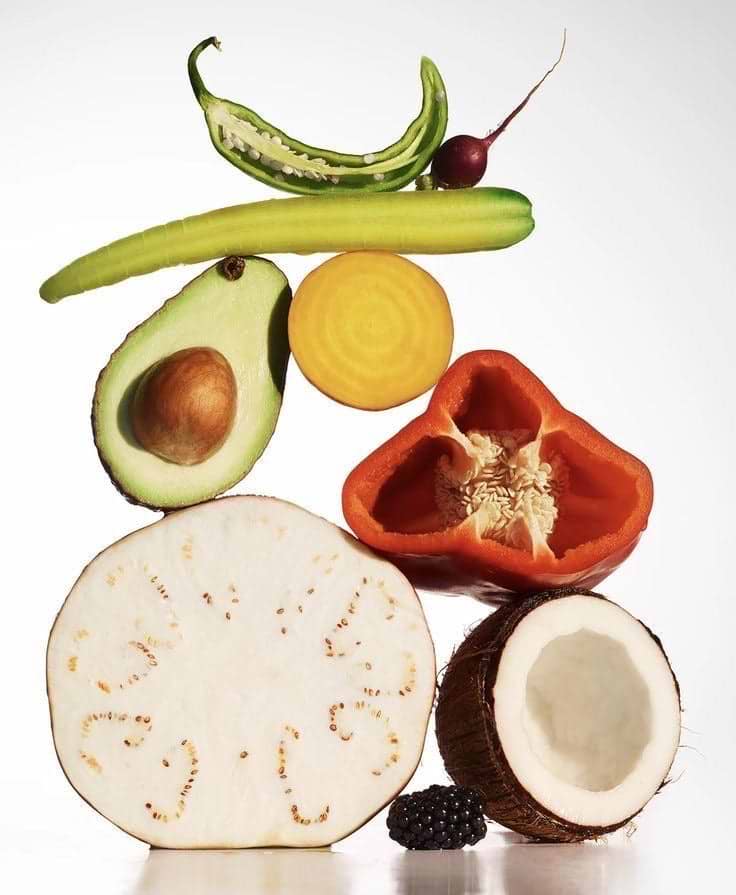
- Dietary diversity: 30+ plant foods weekly to support a broad, thriving gut environment.
This isn't an argument against probiotics. It's an argument for sequencing correctly. For anyone looking to support their digestive comfort and gut wellbeing, a strong prebiotic fibre foundation - with fibre length diversity at its core - is where the science says to start.
Your questions about leaky gut syndrome
Is leaky gut syndrome a real medical condition?
Leaky gut syndrome is not a recognised medical diagnosis. Intestinal permeability - the biological phenomenon it loosely describes - is an area of published scientific research. Scientists including Dr Alessio Fasano at Harvard Medical School have studied how the gut's natural protective barrier functions and what factors may influence it. The underlying science is legitimate; the wellness-industry framing is where accuracy often falters. If you have persistent digestive concerns, please consult a qualified healthcare professional.
What factors can affect your gut's natural environment?
A number of everyday factors may affect your gut's natural balance, including a diet low in prebiotic fibre and plant variety, limited food diversity, regular use of certain medications, alcohol, and prolonged stress. Supporting consistent butyrate production through diverse prebiotic fibre intake is one of the most studied approaches to maintaining a comfortable gut environment.
How does butyrate contribute to gut wellbeing?
Butyrate is a natural compound produced when your gut's beneficial bacteria ferment prebiotic fibre. Research suggests it plays a role in supporting a comfortable digestive environment. Consistent butyrate production, maintained through sufficient and varied prebiotic fibre intake, is associated with a gut that functions at its best.
Why does fibre length matter for digestive comfort?
Fibre chain length influences where in the gut fermentation takes place - and therefore how fully your gut's natural environment is supported. Shorter-chain fibres act quickly in the upper gut; longer-chain fibres travel further, supporting the full length of your gut. Fibre length diversity - short, medium, and long-chain prebiotic fibres together - provides the most complete and sustained support for your gut's natural environment from end to end.

Should I take a prebiotic or probiotic for digestive comfort?
For digestive comfort and gut wellbeing, the science suggests starting with prebiotic fibre. The beneficial bacteria that produce butyrate are already present in your gut - they thrive when given the right prebiotic fibres to feed on. Probiotics can complement a prebiotic-first approach but are secondary to establishing a diverse fibre foundation. For those considering supplements, a prebiotic formulation with fibre length diversity addresses the root cause most completely.
What is the best dietary approach for supporting gut wellbeing?
Prioritising prebiotic fibre diversity is the most evidence-aligned starting point. Aim for 30+ different plant foods weekly to support a broad, thriving gut environment, and include prebiotic-rich foods such as chicory, garlic, leeks, onions, asparagus, and unripe banana. For those who find it difficult to achieve sufficient prebiotic fibre through diet alone, a science-backed prebiotic supplement providing a range of fibre lengths can help support your gut's natural environment. Always consult a healthcare professional before making significant dietary or supplementation changes.
This article is for educational purposes only and does not constitute medical advice. If you are experiencing persistent digestive symptoms, consult a qualified healthcare professional before making changes to your diet or supplement regimen.
Learn more about LYMA ID2 Gut Powder, the LYMA ID2 gut health range, and our verified science.


