The LYMA Laser is the ultimate skin renewal system to smooth away all cellulite.
Cellulite is a skin concern of the masses; 98% of women will experience cellulite at some point in their life and 20% of men (the jury is out on how that’s fair). While many choose to live with it or even embrace it, there is also a huge contingent of those who want to get rid of their cellulite.
What is cellulite?
"Cellulite is technically fat, but actually the dimple pattern you see on the skin is caused by fibrous strands that anchor the dermis to the underlying tissues," explains leading craniofacial and plastic surgeon Dr Graeme Glass, LYMA Aesthetic Director. This is important in areas such as the buttocks, where it stops the skin sliding over the underlying fat.
"Cellulite comes about because all this fat is packed into spaces that aren’t able to expand, because the fat pockets are tethered down by these fibrous strands."
What causes cellulite?
The primary cause of cellulite is a buildup of fat cells beneath the surface of the skin. Cellulite develops as connective tissue bands become tight and inflexible, trapping fat cells and pushing them up against the skin’s surface, making them visible. Cellulite can appear anywhere, but is most common on the thighs, hips, buttocks, and upper arms.
Who gets cellulite?
Some people are more predisposed than others, and women tend to be more susceptible. The amount and visibility of cellulite depends on genetics, body fat-to-muscle ratio, age, and weight.

If you have thinner skin, cellulite may be more noticeable. It can develop at any age, though women are particularly prone during puberty, pregnancy, and menopause. The bottom line: any body type - mesomorph, endomorph, overweight or underweight - can develop cellulite.
Cellulite can form or be exacerbated by the following factors:
- Hormone fluctuations
- Poor diet (particularly one high in processed food)
- Excessive alcohol consumption
- Accumulated toxins
- Genetic predisposition
- Weight gain
- A sedentary lifestyle
Methods to get rid of cellulite: what works and what doesn’t
What doesn’t work: Anti-cellulite creams
Specific creams and over-the-counter ointments may reduce the surface appearance of cellulite temporarily. They can tighten the skin, making it appear smoother and firmer, but they don’t address the root cause - fat cells trapped beneath the skin’s surface.
Any positive results are superficial and short-lived. Products must be applied daily to maintain results, which can become time-consuming and expensive.
What does work: Low-Level Laser Therapy
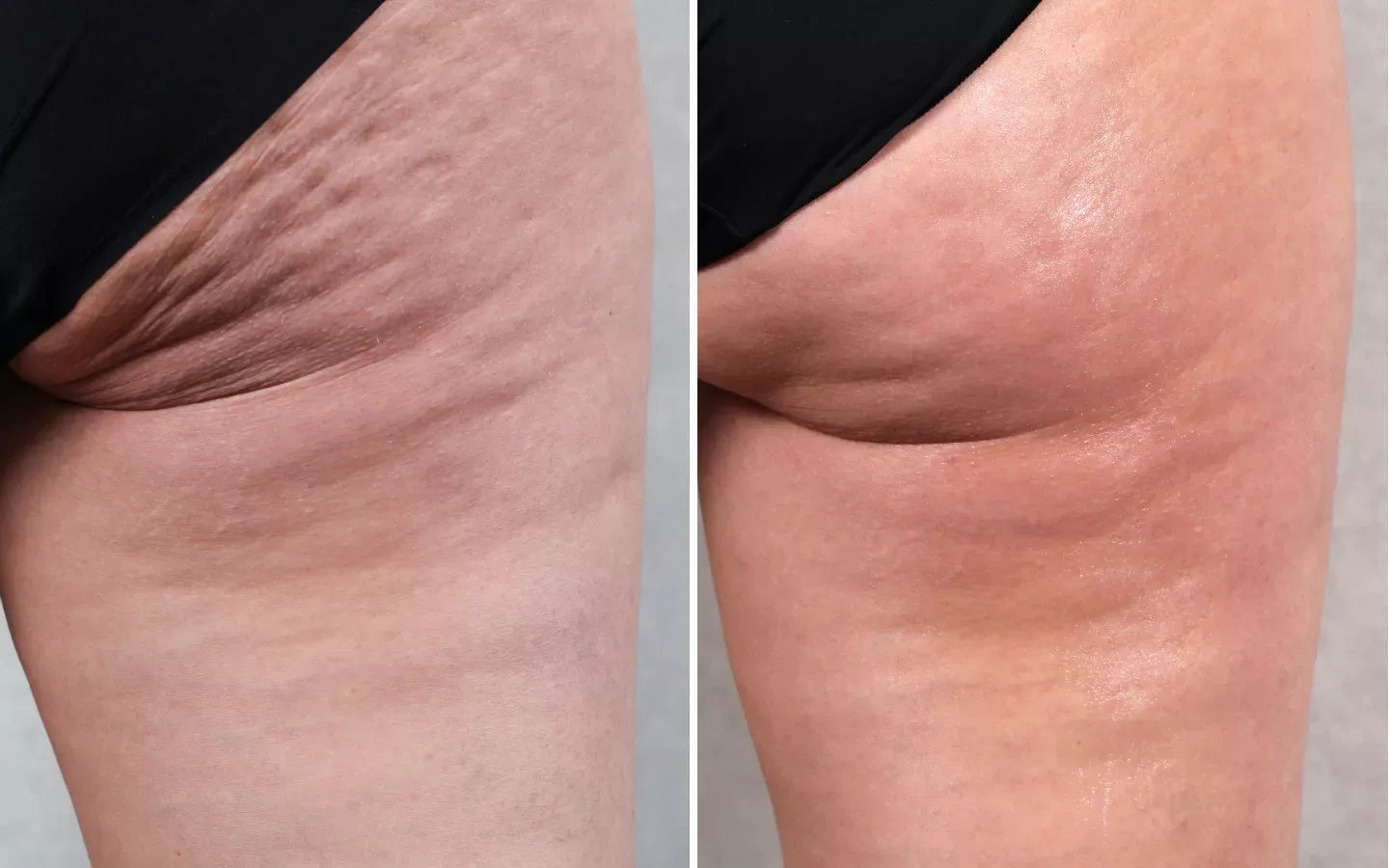
Laser treatment for cellulite can have a profound cosmetic effect. Low-level laser therapy (LLLT) permanently reduces cellulite by smoothing and tightening skin, while also sculpting and contouring targeted areas.
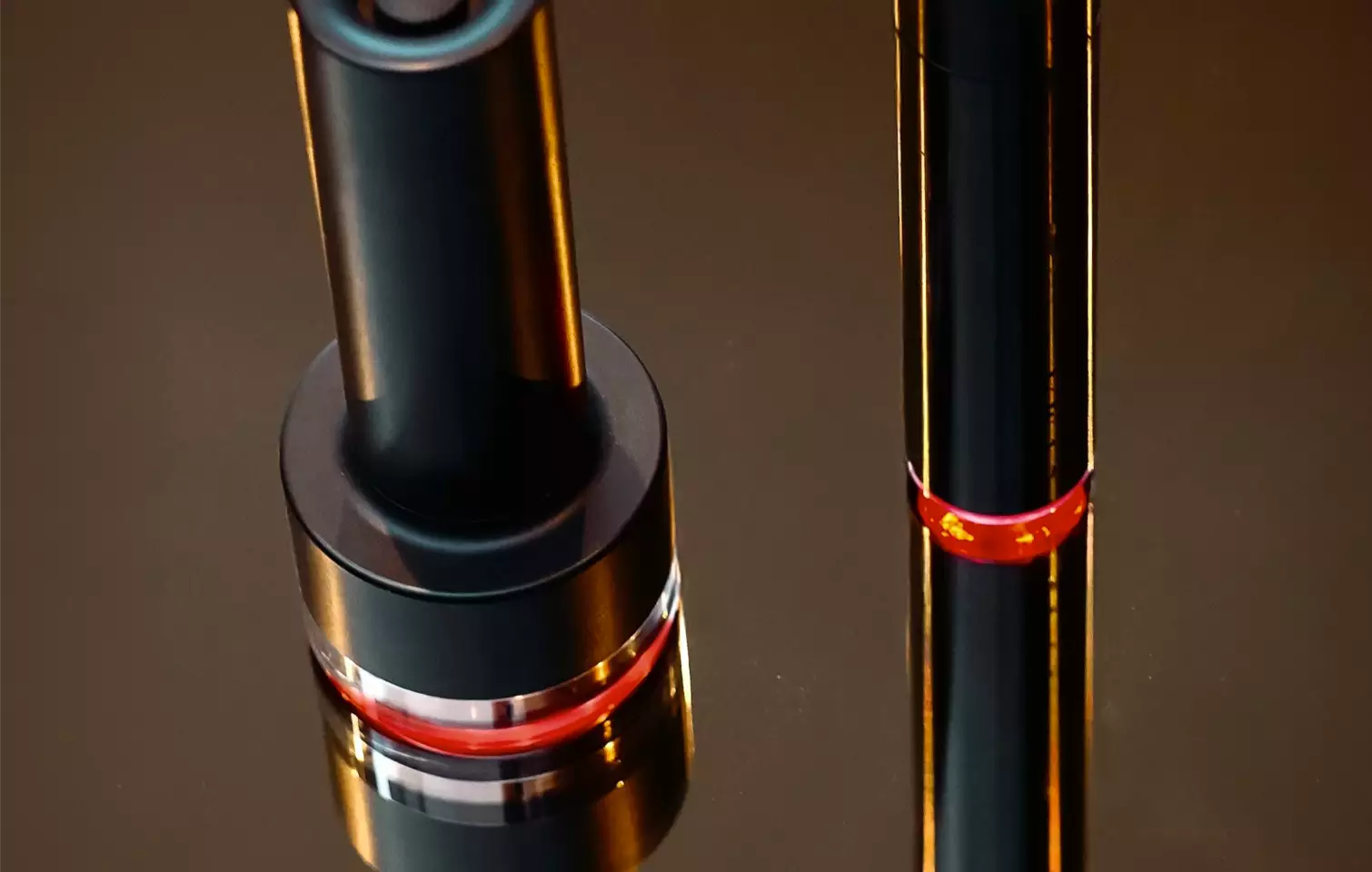
The LYMA Laser: the full-spectrum solution
The LYMA Laser’s advanced skin technology is unrivalled in delivering results quickly, safely, and at home. The 500mW coherent, monochromatic laser beam is completely non-invasive, with zero heat, zero pain, and no damage.
How to use the LYMA Laser for cellulite:
- Apply 6 pumps of the LYMA Power Youth Mist to the treatment area. This drenches skin with an advanced oxygen concentrate and helps support moisture retention, preparing it for the Laser.
- Follow with 6 pumps of LYMA Power Youth Mask to create a smooth glide for the Laser and intensely hydrate with low molecular weight hyaluronic acid and glycerin.
- Glide the LYMA Laser slowly over each cellulite area for a minimum of 15 minutes per treatment area.
- Dampen a LYMA Mist & Glide Sponge in water and carefully remove any residue with circular motions.
Discover how the LYMA Laser redefines cellulite reduction with these remarkable before-and-after results: