


What the clinical studies on saffron actually show, from mood to sleep quality.
Saffron benefits have been talked about for thousands of years, but only in the last decade has rigorous research caught up with the folklore. Lists of saffron health benefits online often go well beyond the evidence, so this guide sticks to what randomised, placebo-controlled trials in healthy adults have found, what they haven’t, and how much saffron was used to get there.
What is saffron and where does it come from?
Saffron is a spice made from the dried stigmas of the Crocus sativus flower, a member of the iris family grown in Iran, Spain, Greece, Morocco and India. Its fine, orange-red threads give food a golden colour and an earthy, honeyed flavour.
Each flower produces just three stigmas, all picked by hand. It takes roughly 150,000 flowers to make 1kg (about 2.2lb) of dried saffron, which is why it is often called the most expensive spice in the world by weight.
Saffron uses go back more than 3,000 years, as a seasoning, a fragrance and a textile dye, and it features in traditional Persian and Ayurvedic practice. Today, researchers focus on four of its natural compounds: crocin, crocetin, picrocrocin and safranal.
Saffron extract vs. saffron spice: why standardisation matters
A pinch of saffron in a risotto can vary hugely in strength from one jar to the next. That is why the saffron extract benefits studied in research come from standardised extracts, which deliver a consistent, measurable amount of saffron’s active compounds in every dose.
The most researched of these is affron®, a saffron extract produced in Spain and standardised to its lepticrosalides content. Most of the trials below used 28mg of affron® a day, the same amount found in a daily serving of the LYMA Supplement.
6 saffron benefits explored in clinical research
These are the areas where the benefits of saffron have been studied most closely in people, starting with the best researched.
1. A positive mood
Mood is the most studied area of saffron research. In a four-week randomised, double-blind, placebo-controlled trial of 128 healthy adults experiencing low mood, those taking 28mg of affron® a day reported less negative mood than those taking a placebo. A lower 22mg dose made no significant difference, a useful reminder that dose matters.
A larger 12-week trial of 202 adults aged 18 to 70 with low mood reported greater improvements in mood scores with 28mg of affron® a day than with placebo, with differences emerging from around week five. Based on this research, affron® supports a positive mood.
2. Sleep quality
Sleep quality was first noticed as a side finding in the mood studies, so researchers tested it directly. In a 28-day trial of 55 healthy adults with self-reported poor sleep, participants taking 28mg of affron® a day reported greater improvements in sleep quality ratings than the placebo group, with most of the change seen in the first week.
A follow-up trial of 120 adults taking 14mg or 28mg of affron® an hour before bed reported similar findings for sleep quality ratings after 28 days, at both doses. Not every measure in that study changed, and research in this area is ongoing.
3. How you feel on waking
How you feel in the morning matters as much as how long you sleep. In the 2020 sleep trial, people taking affron® scored higher on a questionnaire measuring how restorative their sleep felt, and in the 2021 follow-up they rated their mood on waking more positively than the placebo group.
4. Everyday pressures
In the original affron® mood trial, the 28mg group also recorded lower scores on everyday stress questionnaires. A separate eight-week study of 56 healthy men and women, using 30mg of a different standardised saffron extract, reported improved mood scores and social relationships compared with placebo.
For a closer look at this research, read our guide to saffron and stress resilience.
5. Antioxidant compounds
Crocin and crocetin, the pigments that give saffron its colour, are carotenoids, a family of plant compounds known for their antioxidant activity. A 2023 review of 16 randomised, placebo-controlled trials looked at saffron supplementation and markers of oxidative stress.
The trials in that review used varying doses and many involved people with existing health conditions, so the findings describe saffron in general rather than any one product. LYMA also contains a second carotenoid, LycoBeads® Natural Tomato Lycopene.
6. Exercise enjoyment: an early signal in men
In a six-week study of 62 recreationally active adults taking 28mg of affron® a day, there were no significant differences across the group as a whole. When results were analysed by sex, men taking saffron reported greater increases in exercise enjoyment than the placebo group, while no such effect was seen in women. Treat this as an interesting early finding rather than an established benefit.
Saffron benefits for women and men
Research into saffron benefits for female and male adults has mostly looked at both together: the mood and sleep trials above recruited women and men, and reported their results for adults generally.
The exercise study is the one place results differed, with saffron benefits for men showing up as greater exercise enjoyment and no effect seen in women. Claims about special saffron benefits for male hormones or performance aren’t backed by robust trials, so treat them with caution.
How much saffron per day? The doses used in research
The mood and sleep trials used 28mg of affron® a day, taken either as 14mg twice daily or as a single dose. One sleep study reported similar sleep quality ratings at 14mg and 28mg, while the first mood study found 22mg made no significant difference. The stress study used 30mg of a different extract.
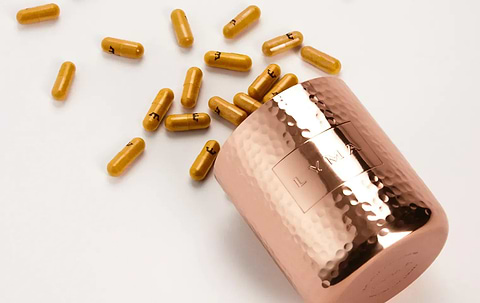
If you’re looking for an affron® saffron supplement, the LYMA Supplement contains 28mg per daily serving, the same amount used in the main mood and sleep trials. It sits alongside ingredients such as Sensoril® Ashwagandha and Cognizin® citicoline.
Your Questions About Saffron Supplements
What does saffron do for the body?
Saffron contains natural carotenoids such as crocin and crocetin, which give it its colour. Clinical research on standardised saffron extract in healthy adults has focused mainly on mood and sleep quality: affron® supports a positive mood, and sleep studies are ongoing. In the 2020 sleep trial, most changes appeared within the first week, while mood was measured at four to 12 weeks. You can see the research behind every ingredient on our supplement science page.
What is affron® saffron?
affron® is a saffron extract made in Spain from the stigmas of the Crocus sativus flower and standardised to its lepticrosalides, a measure of saffron’s active compounds. It is the affron® saffron extract used in most of the trials in this article, and the LYMA Supplement contains 28mg of it per daily serving.
Is saffron good for you?
Saffron has been enjoyed as a spice for thousands of years. In the trials described here, saffron extract was well tolerated over four to 12 weeks, with no serious adverse effects reported. If you are pregnant, breastfeeding, taking medication or managing a medical condition, speak to your GP or pharmacist before starting any new supplement.
Does saffron lower cortisol?
The evidence is limited. In the 2021 sleep trial, evening cortisol levels did not change compared with placebo. A small 2011 study found lower salivary cortisol in women after they smelled saffron for 20 minutes, but that tested a scent, not a supplement. So we don’t describe saffron as a way to lower cortisol.
Does saffron increase oestrogen?
This idea comes from that same 2011 study, in which 35 women smelled diluted saffron for 20 minutes and their salivary oestrogen levels rose. It did not test saffron supplements, and it did not include men, so it tells us very little about whether saffron increases oestrogen in women or men.
Does saffron give you energy?
Saffron isn’t a stimulant, and research on saffron extract has focused on mood and sleep quality rather than energy.
Can you get the same benefits from saffron tea or cooking?
Not reliably. The saffron supplement benefits studied in research come from standardised extracts at 28 to 30mg a day, while the strength of saffron threads in tea or food varies widely. Enjoy saffron in your cooking for its flavour and colour.
Saffron as part of your daily routine
Saffron is just one part of a considered routine, alongside a balanced diet, regular movement and consistent sleep habits. If you want the same amount of affron® used in the research without measuring threads, the LYMA Supplement delivers 28mg in every daily serving.
Always consult your GP or healthcare professional if you have a medical condition, or an existing health protocol, before beginning any new supplement.


