

The new question isn't whether your supplement contains them - it's whether it knows how to deliver them.
The polyphenols inside your food that are rewriting what we know about gut health
New science reveals polyphenols don't just shape your gut microbiome - they selectively reshape which bacteria thrive. That distinction matters more than we ever realised.
You've probably heard that polyphenols are good for you. Maybe you've seen the word on a supplement label, or read something about red wine being rich in them. But if someone asked you to explain exactly what a polyphenol is - or why it matters for your gut - you'd be forgiven for drawing a blank.
That's about to change. Over the last decade, a body of research has been quietly building a case that polyphenols are one of the most significant - and least understood - influences on the gut microbiome. Not as antioxidants in the way we traditionally talk about them, but as a class of compounds that interact with your gut bacteria in ways that are only now becoming clear.
The key insight: dietary fibre - the classical prebiotic - feeds your gut bacteria. Polyphenols both feed them and selectively reshape which bacteria thrive. That distinction carries significant implications for microbiome diversity and for how we approach supplementation.
Here's what you need to know about the science behind polyphenols.
What are polyphenols? A definition worth knowing

Let's start at the beginning. The polyphenol definition - at its most structural - is this: polyphenols are a large family of naturally occurring compounds found in plants, defined by the presence of multiple phenol units in their molecular structure. The word comes from the Greek: poly (many) and phenol (an aromatic hydroxyl group). There are over 8,000 identified polyphenolic compounds in the plant kingdom, making them one of the most abundant classes of phytochemicals in the human diet.
Plants produce them primarily for their own benefit - as UV filters, antimicrobial defences, and pigments that attract pollinators. The fact that they turn out to be biologically significant in the human body is, in evolutionary terms, largely incidental. But it is very real.
Polyphenols are grouped into four main classes:
Flavonoids: the largest group, including quercetin (in onions and apples), catechins (in green tea), and anthocyanins (in berries). These are responsible for many of the rich purples, reds, and blues in plant foods.
Phenolic acids: including chlorogenic acid (abundant in coffee) and hydroxycinnamic acids. Often less discussed, but among the highest-volume polyphenols in Western diets.
Stilbenes: the class that includes resveratrol, found in grape skins and red wine. This group generates research interest out of proportion to its dietary abundance.
Lignans: found in flaxseed, whole grains, and some vegetables, and converted by gut bacteria into compounds called enterolignans.
Not all polyphenols behave the same way in the body. Their bioavailability varies from less than 1% to around 50% depending on the compound, the food matrix it's delivered in, and crucially, the make-up of the individual's gut microbiome. Which brings us to the part the research is finding most interesting.
The best polyphenol-rich foods (and what makes them different)
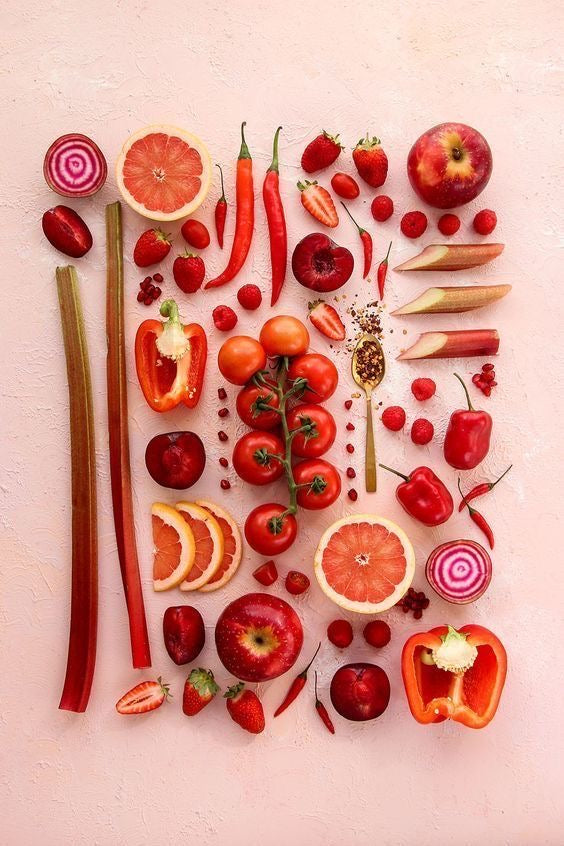
Before we get into the gut science, a practical grounding. These are among the richest dietary sources of polyphenols, with their total polyphenol content per 100g according to the Phenol-Explorer database:
Top polyphenol-rich foods:
Cloves (dried): 15,188mg/100g. The single richest source by weight, dominated by eugenol. Genuinely off the charts compared to almost everything else.
Dried peppermint: 11,960mg/100g. Herbs and spices are systematically underestimated as polyphenol sources.
Dark cocoa powder: 3,448mg/100g. Particularly rich in flavanols (epicatechin and catechin), among the most studied polyphenols.
Black elderberries: 1,950mg/100g. Exceptionally high anthocyanin content.
Dark chocolate (70%+): 1,860mg/100g. Similar profile to cocoa powder but more accessible as a daily food.
Ground flaxseed: 1,528mg/100g. One of the richest lignan sources in the human diet; those lignans are converted into enterolignans by gut bacteria.
Pomegranate: 818mg/100g. Ellagitannins in pomegranate are converted by gut bacteria into compounds called urolithins, an area of growing research interest.
Blackcurrants: 758mg/100g. Among the richest berry sources, particularly for anthocyanins.
Blueberries: 560mg/100g. The berry most people reach for first - and with good reason, though not always for the reason they think.
High-polyphenol extra virgin olive oil: 55-500+mg/100ml (varies widely by variety and harvest). Hydroxytyrosol and oleuropein are the key compounds - unique to the olive.
Coffee: 214mg/100ml (brewed). The single largest contributor to total polyphenol intake in most Western populations, primarily via chlorogenic acids - not caffeine.
Green tea: 89mg/100ml. Particularly rich in EGCG (epigallocatechin gallate), one of the most intensively researched individual polyphenol compounds.
Why herbs and spices matter: if you're eating a varied diet with regular herbs and spices, you may be consuming significant polyphenol quantities without realising it. A teaspoon of dried oregano or thyme delivers more polyphenols by weight than a serving of most fruits.
The gut connection and why it changes everything
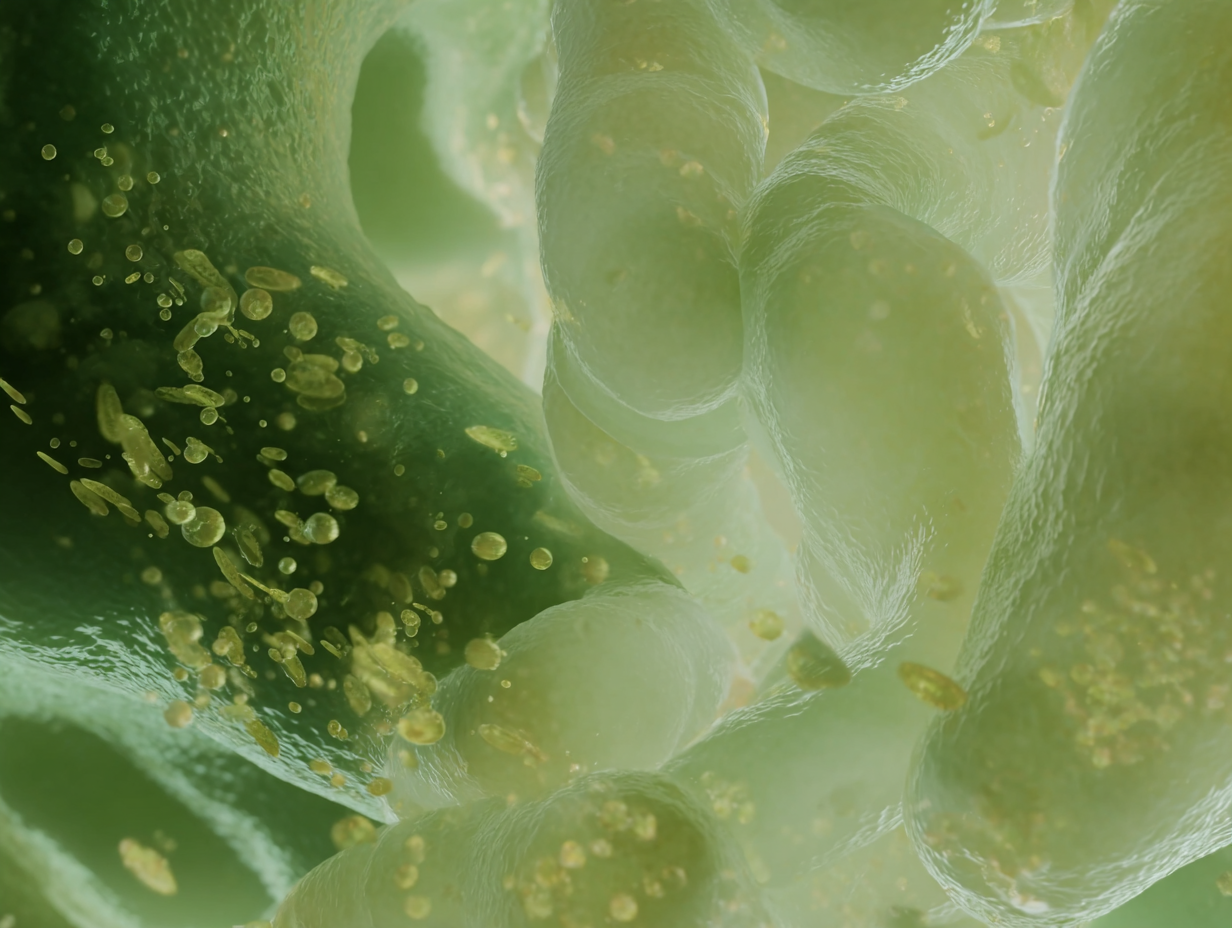
Here is where the science gets interesting and where the old antioxidant story starts to feel insufficient.
The majority of dietary polyphenols - estimates range from 90-95% - are not absorbed in the small intestine. They pass through largely intact and arrive in the colon in significant quantities, where they encounter a microbiome of trillions of microorganisms with the enzymatic capacity to do something the small intestine cannot: break polyphenols down into new metabolites.
This colonic metabolism produces a cascade of compounds - short-chain fatty acids (SCFAs), urolithins, equol, enterolactone, enterodiol, and phenylpropanoic acids. Many of these metabolites are more readily absorbed than the original polyphenol molecules, and they enter the circulation.
The implications are significant. The polyphenol you eat and the compound your body ends up absorbing may be quite different. And the conversion between them depends heavily on the composition of your gut microbiome.
This creates a two-way relationship: polyphenols shape the microbiome, and the microbiome shapes what polyphenols become. Understanding that loop is now one of the more active areas of nutritional science.
Key mechanism: Research suggests polyphenols can inhibit the growth of some unwanted bacteria while providing a favourable substrate for others - acting less like a general fertiliser and more like a selective one.
This selectivity is what sets polyphenols apart from classical fibre-based prebiotics, which broadly stimulate growth across multiple bacterial groups. Polyphenols appear to influence the microbiome through several mechanisms at once - direct antimicrobial action, altered gut pH, SCFA production, and selective substrate provision - resulting in more targeted shifts in community composition.
Polyphenols and Akkermansia muciniphila: the strain everyone’s watching
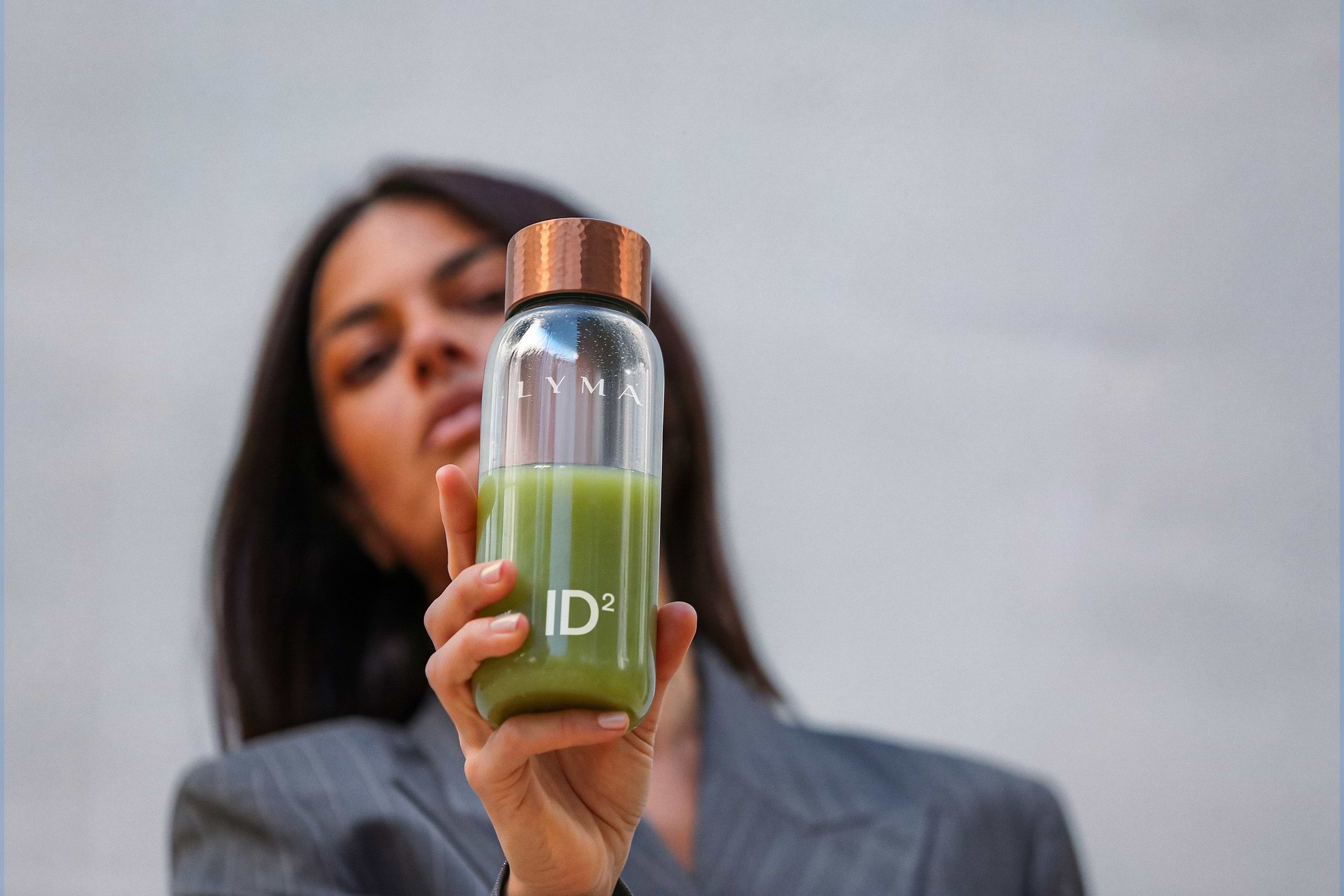
Among the bacterial species most closely linked to polyphenol intake is Akkermansia muciniphila - a bacterium that lives in the mucus layer of the colon, and one of the most studied microorganisms in gut research over the last fifteen years.
Its interest lies in where it lives and what it does: Akkermansia feeds on the gut’s mucus lining, a process thought to stimulate its renewal, and it has been studied extensively for its relationship with the gut barrier.
A growing number of studies, mostly in animals so far, have found that specific polyphenol-rich foods and extracts increase Akkermansia in the gut. The most discussed data involves:
Pomegranate-derived ellagitannins: human research suggests pomegranate extract can increase Akkermansia, with urolithins thought to be part of the mechanism.
Cranberry polyphenols: a study published in the journal Gut found that a cranberry polyphenol extract increased Akkermansia muciniphila in mice fed a high-fat diet.
Grape-derived polyphenols: procyanidins from grape seed extract have shown similar Akkermansia-enriching effects in several preclinical models, with early human data pointing the same way.
The Akkermansia story is not fully written. Human clinical evidence is still accumulating, and individual responses vary considerably. But the pathway is credible, the preclinical data is consistent, and human studies are now under way.
Beyond Akkermansia: the broader microbiome effect
The polyphenol-microbiome relationship extends well beyond a single bacterial species. Polyphenol-rich diets are consistently associated with more of some bacterial groups and less of others.
Enriched by polyphenol intake:
Bifidobacterium: a major producer of short-chain fatty acids. Flavonoids from berries and cocoa appear particularly stimulatory for this genus.
Lactobacillus: known for lactic acid production. Multiple polyphenol classes show prebiotic-like effects for various Lactobacillus species.
Akkermansia muciniphila: as above, closely tied to the mucus layer.
Faecalibacterium prausnitzii: one of the gut’s major butyrate producers. Polyphenol intake has been associated with increased F. prausnitzii in several intervention studies.
Suppressed by polyphenol intake:
Some Clostridium species: polyphenols’ antimicrobial properties appear to inhibit certain Clostridia selectively.
Bacteroides fragilis: an opportunistic species whose abundance has been lower in several polyphenol intervention studies.
Are polyphenols technically prebiotics?
This is the question that generates the most interesting scientific debate in this space.
The formal ISAPP definition of a prebiotic is: "a substrate that is selectively utilised by host microorganisms conferring a health benefit." Under that definition, polyphenols are not technically prebiotics in the classical sense: the evidence for selective utilisation is still being established, and many polyphenols are partially absorbed before reaching the colon.
The more accurate classification, used in the current literature, is 'microbiota-accessible compounds' (MACs) or 'prebiotic-like substances' - compounds that reach the colon intact and modify microbiome composition, but that don't meet the full criteria for the classical prebiotic designation.
What makes polyphenols particularly interesting compared to established prebiotics like inulin and fructooligosaccharides (FOS) is their selectivity. Classical fibre-based prebiotics broadly stimulate growth across multiple bacterial groups. Polyphenols, by contrast, appear to act through several different mechanisms at once, resulting in more targeted shifts in community composition.
Whether the scientific and regulatory definitions ultimately catch up is, in many ways, a matter of semantics. What the research increasingly suggests is that polyphenols do influence the gut microbiome, through mechanisms more sophisticated than we initially thought.
The key distinction: dietary fibre (the classical prebiotic) feeds your gut bacteria. Polyphenols both feed them and selectively reshape which bacteria thrive.
The polyphenol-gut-brain axis: an emerging frontier
The relationship between polyphenols and the gut doesn't stop at the intestinal wall. Gut bacteria produce compounds that interact with the nervous system, including precursors to neurotransmitters such as serotonin and GABA, short-chain fatty acids, and compounds that influence signalling along the vagus nerve.
Some polyphenol classes have been studied for their effects on BDNF (brain-derived neurotrophic factor), a protein involved in the growth and maintenance of nerve cells. Cocoa flavanols have the most human research here, including a large randomised trial in older adults that looked at memory over several years. Green tea catechins, particularly EGCG, have been studied extensively in preclinical models.
The gut-brain research is earlier in development than the microbiome composition data, but it points in a consistent direction: the bacterial shifts linked to polyphenol intake may have consequences beyond the gut itself.
Why polyphenols work better with the right fibre
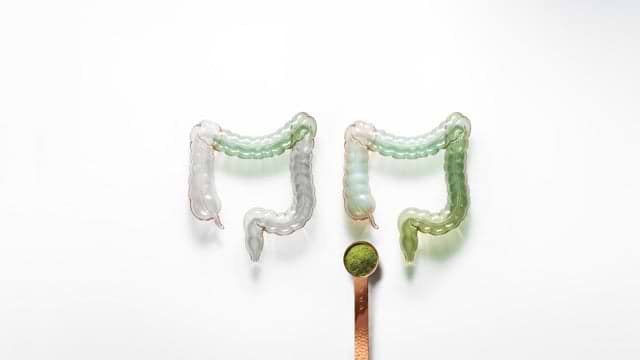
There is a frequently overlooked dimension to polyphenol availability that has significant practical implications: the role of dietary fibre as a carrier of polyphenols through the colon.
Most polyphenols in whole foods exist in a physical matrix with fibre, either bound to cell wall structures or loosely associated with them. During digestion, the rate and extent of polyphenol release depends substantially on how that fibre matrix is broken down. Fine-particle or short-chain fibres tend to release polyphenols rapidly, early in the colon. Longer-chain, more structurally complex fibres carry polyphenols further along, where bacterial density is highest and where Akkermansia is found.
This has direct relevance to supplement design. The physical and chemical properties of the fibre determine not just the effect of the fibre itself, but also where and how quickly polyphenols are released - and therefore which bacterial populations they actually reach.
The distinction between short-chain and long-chain fibre in polyphenol delivery is an area of active investigation, and one that informs how gut powders approach the fibre-polyphenol matrix. The goal is not simply to combine ingredients, but to design the physical architecture of delivery so that the right compounds reach the right populations in the right location.
What this means for how you eat and how you supplement
From a dietary perspective, the most important insight from this research is that polyphenol diversity matters as much as quantity. Different polyphenols are metabolised by different bacterial species, so eating a wide variety of polyphenol-rich plant foods is more likely to support a diverse microbiome than focusing on one category.
Practically:
Colour variety is a useful proxy: different pigments represent different polyphenol classes. Eating across the colour spectrum of plant foods is a simple rule of thumb for dietary diversity.
Heat and processing matter, but not as much as people fear: some polyphenols are sensitive to heat and processing, while others are more stable, and cooking can make some more available by breaking down plant cell walls.
The coffee effect is underappreciated: for many people in Western populations, coffee is the largest single dietary source of polyphenols. This is not an argument for drinking more coffee - but it is a counterpoint to treating coffee as nutritionally neutral.
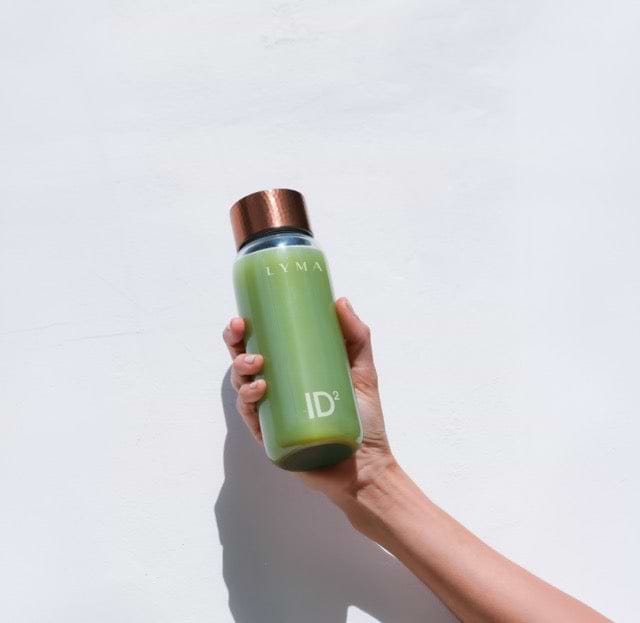
From a supplementation perspective, the most relevant question is not whether a supplement contains polyphenols (many do), but how they are delivered - and whether the surrounding fibre is designed to carry them through the colon. That is the question gut powders are designed to answer.
Frequently asked questions about polyphenols
What are polyphenols in simple terms?
Polyphenols are naturally occurring compounds found in plants - the same molecules responsible for many of the colours, flavours, and aromas in plant foods. Over 8,000 have been identified. They are particularly interesting for the way they interact with gut bacteria, which convert them into new compounds and are in turn influenced by them.
Are polyphenols the same as antioxidants?
Not exactly. Polyphenols have antioxidant capacity in the lab - that's a property of their molecular structure. But framing them primarily as antioxidants misses what's scientifically interesting about them: much of the current research focuses on how they interact with the gut microbiome, which is a separate mechanism.
Are polyphenols technically prebiotics?
Strictly speaking, most polyphenols don't meet the full ISAPP definition of a prebiotic. The more accurate term is 'microbiota-accessible compounds' or 'prebiotic-like substances'. In practice, they behave in a prebiotic-adjacent way, influencing microbiome composition through a more complex set of mechanisms than classical fibre-based prebiotics.
Which foods have the most polyphenols?
By weight, dried herbs and spices (especially cloves, dried peppermint, and oregano) are the richest sources - but rarely eaten in large quantities. Among regularly eaten foods, dark cocoa powder, dark chocolate, blueberries, blackcurrants, pomegranate, flaxseed, coffee, and green tea are among the highest contributors. High-polyphenol extra virgin olive oil is also significant for its unique polyphenol profile.
What do polyphenols do in the gut?
Most polyphenols reach the colon largely unabsorbed, where gut bacteria break them down into compounds including short-chain fatty acids and urolithins. Research suggests they can encourage the growth of some bacterial groups (including Akkermansia muciniphila, Bifidobacterium, and Lactobacillus) and discourage others. The size of the effect depends substantially on the individual's existing microbiome.
How much polyphenol do I need per day?
There is no established recommended daily intake for polyphenols, and the optimal range is still under investigation. Average intake in Western diets is estimated at around 1,000-1,500mg a day from all sources, with coffee the dominant contributor for many people.
Learn more about LYMA ID², the LYMA ID² gut health range, and our verified science.
You may also enjoy: "I Feel Cleaner, Lighter, More Energised - and My Skin Just Radiates", LYMA ID²: Why Harrods Had to Have It First.


