


What lycopene is, the best food sources, how much you need and what research has studied.
The short answer: lycopene is the red carotenoid pigment in tomatoes, watermelon and pink grapefruit. Your body can't make it, so it comes from food or supplements, and you absorb it best from cooked tomatoes eaten with some fat. The best-known research looks at skin and sun exposure, where volunteers ate lycopene-rich tomato paste daily for 10 to 12 weeks. Whatever you eat, lycopene isn't a substitute for sunscreen.
Below, we cover what lycopene is, the foods highest in it, what studies on skin have looked at, what it means for women, how to choose a lycopene supplement, how much to take, and whether it's safe.
Jump to: What is lycopene? · Best foods · Skin research · Lycopene for women · Supplements · How much · Safety · FAQs
What is lycopene?
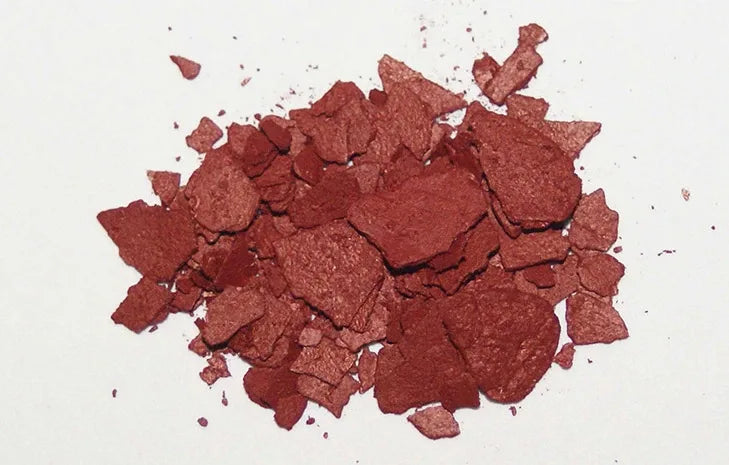
Lycopene is a carotenoid, one of the natural pigments that give fruit and vegetables their colour. It's what makes tomatoes red. Unlike beta-carotene, your body doesn't turn it into vitamin A, and it can't make lycopene itself. Chemically, lycopene is one of the most effective carotenoids at neutralising singlet oxygen, a reactive form of oxygen produced in skin by sunlight.
For more on this family of nutrients, see our guide to carotenoids and skin.
Foods high in lycopene: which have the most?
Concentrated tomato products top the list. Per 100g, tomato paste contains around 29mg, sun-dried tomatoes around 46mg, tomato ketchup around 17mg and tomato sauce or passata around 15mg. Fresh foods contain less: guava around 5mg, watermelon around 4.5mg, raw tomatoes around 2.5mg and pink grapefruit around 1.5mg.
What’s the best way to eat tomatoes for lycopene?
Yes. Cooking breaks down the plant cell walls that hold lycopene, and because it's fat-soluble, you absorb more when you eat it with oil. In one study, lycopene was absorbed far better from tomato paste than from fresh tomatoes. A tomato sauce made with olive oil is one of the best everyday sources, and a spoonful of tomato paste stirred into soups, stews and dressings is an easy way to add more.
What research on lycopene and skin has looked at
Lycopene and sun exposure
In a 10-week study, volunteers ate 40g of tomato paste with olive oil every day, providing about 16mg of lycopene, and researchers measured how much their skin reddened after controlled UV exposure, compared with a control group. A 12-week randomised trial used 55g of tomato paste a day and measured reddening and collagen-related markers in the skin.
It's important to be clear: lycopene isn't sunscreen you can eat. Nothing you eat replaces an SPF. Wear sunscreen every day, and see our guide to sun damage for more.
Lycopene, collagen and wrinkles
Sun exposure is the main driver of collagen breakdown in skin, which is why researchers have looked at lycopene and collagen-related markers after UV exposure. There's little direct research yet on lycopene supplements and wrinkles. Read more about how to protect your collagen.
Does lycopene lighten or whiten skin?
No. Lycopene doesn't lighten skin tone. Eating very large amounts of tomato products can actually tint skin slightly orange, as explained in the side effects section below.
Does lycopene help with acne or pimples?
There's no good evidence that it does. If breakouts are a concern, a dermatologist or your GP is the best place to start.
Is lycopene good for women?
Lycopene works the same way in women and men, and there's no separate recommended intake for either. Much of the research on lycopene and skin, including the sun-exposure studies above, has been carried out in women. The amounts and sources are the same for everyone.
Lycopene supplements: what to look for
Supplements make it easier to get a consistent daily amount of lycopene, especially if you rarely eat cooked tomatoes. Three things separate a well-made lycopene supplement from a poor one.
- Check the lycopene content, not the extract weight. A "500mg" lycopene supplement usually means 500mg of tomato extract, which may contain only a fraction of that as lycopene. Look for the lycopene amount in milligrams.
- Choose natural tomato lycopene over synthetic versions, as it comes with the other tomato carotenoids it's naturally found alongside.
- Look for a stabilised form. Lycopene breaks down with light, heat and air, so microencapsulated forms keep it intact until you take it.
How much lycopene should you take a day?
There's no official recommended intake for lycopene. Most people get a few milligrams a day from food, more if they eat a lot of tomato sauce. Skin studies have used around 15–16mg a day from tomato paste, and supplement studies typically use 7–30mg.
When is the best time to take a lycopene supplement?
With a meal that contains some fat, as lycopene is fat-soluble. Breakfast works well if you take it alongside other fat-soluble nutrients, such as vitamin D. Expect any skin effects to take at least 10 to 12 weeks, the length of the studies above.

Is lycopene safe? Side effects to know
Lycopene from food is safe, and supplements have been well tolerated in clinical studies. Eating very large amounts of tomato products over a long period can turn the skin slightly orange, a harmless condition called lycopenodermia that fades when intake drops. The European Food Safety Authority has set an acceptable daily intake of 0.5mg per kilogram of body weight, about 35mg a day for a 70kg adult.
If you're pregnant, breastfeeding or taking medication, check with your GP before taking any new supplement.
Lycopene in the LYMA Supplement
The LYMA Supplement contains 30mg of LycoBeads® natural tomato lycopene a day. Lycopene is fragile and breaks down when exposed to light, heat and air, so LycoBeads® are microencapsulated to keep it stable. The daily dose is four capsules with breakfast, alongside ten other patented ingredients.
Read more about LycoBeads® lycopene, and why the form of an ingredient matters as much as the dose in our guide to how your body absorbs supplements.

Lycopene: your questions answered
Is tomato ketchup a good source of lycopene?
It's surprisingly rich in lycopene, but also high in sugar and salt. Tomato paste, passata and homemade tomato sauce give you more lycopene with less of both.
Is lycopene a vitamin?
No. Lycopene is a carotenoid, a plant pigment, not a vitamin. Your body doesn't need it to survive, and it isn't converted into vitamin A.
Is lycopene the same as beta-carotene?
No. Both are carotenoids, but beta-carotene is converted into vitamin A and lycopene isn't. They're found in different foods: beta-carotene in orange vegetables such as carrots and sweet potatoes, lycopene in red ones.
Can you get enough lycopene from food?
Yes, if you eat cooked tomato products regularly. Two to three tablespoons of tomato paste provides around the amount used in the skin studies. If you rarely eat tomatoes, a supplement is a consistent alternative.
Can you take lycopene with other supplements?
Yes. Lycopene has no well-known interactions with other vitamins or minerals. Take it with a meal that contains some fat, at the same time each day.
The bottom line
Lycopene is a carotenoid most of us get from tomatoes, and it's best absorbed from cooked tomato products eaten with olive oil. If you rarely eat them, a stable supplement is a consistent alternative. Either way, keep wearing sunscreen.
A good breakfast, your daily capsules and an SPF by the door: small habits, kept consistently.
*Always consult your medical professional if you have a medical condition, or existing health protocol, before beginning any new supplementation regime.
References
Stahl W et al. Dietary tomato paste protects against ultraviolet light-induced erythema in humans. J Nutr. 2001;131(5):1449–1451.
Rizwan M et al. Tomato paste rich in lycopene protects against cutaneous photodamage in humans in vivo: a randomized controlled trial. Br J Dermatol. 2011;164(1):154–162.
Gärtner C, Stahl W, Sies H. Lycopene is more bioavailable from tomato paste than from fresh tomatoes. Am J Clin Nutr. 1997;66(1):116–122.
Di Mascio P, Kaiser S, Sies H. Lycopene as the most efficient biological carotenoid singlet oxygen quencher. Arch Biochem Biophys. 1989;274(2):532–538.
EFSA Panel on Food Additives and Nutrient Sources. Use of lycopene as a food colour. EFSA Journal. 2008;674:1–66.
USDA FoodData Central. Lycopene content of tomato products and fruits.


