


The foods highest in beta glucan, and why the type in oats and the type in yeast do different jobs.
The short answer: beta glucans aren't one thing. The beta glucan in oats and barley is a soluble fibre, and oat beta-glucan has been shown to lower blood cholesterol when you eat about 3g a day. The beta glucans in yeast and mushrooms have a different structure and are studied for their interaction with the immune system instead. Most articles mix the two up. Here's which foods contain which, and what each has been shown to do.
At a glance: for cholesterol, the evidence is for oats, oat bran and barley. Yeast and mushroom beta glucans are a different type, studied for the immune system. Fruit and vegetables don't contain meaningful amounts of beta glucan.
Jump to: Beta glucan foods list · What are beta glucans? · Benefits · Supplements · FAQs
Beta glucan foods list: the highest sources
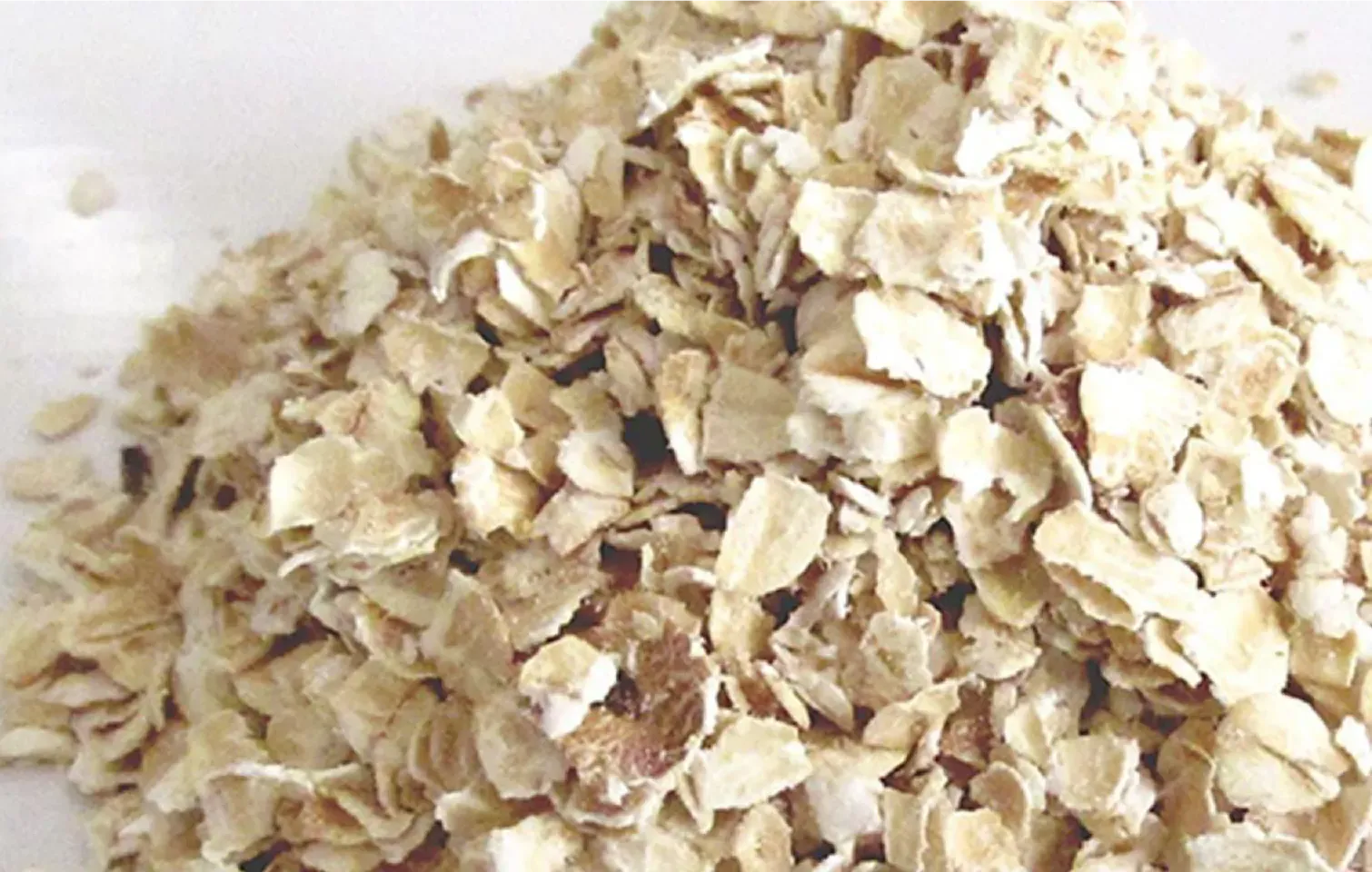
These are the foods highest in beta glucan, roughly in order. Cereal beta glucan, the cholesterol-lowering type: oat bran (about 6–8g per 100g), barley (about 4–10g, depending on the variety), whole rolled oats (about 4g) and rye (about 1–2g). Immune-active beta glucan: baker's and brewer's yeast, and mushrooms such as shiitake, maitake and oyster. Smaller amounts: seaweed such as kelp and wakame. Wheat and rice contain very little.
Oats and oat bran
Oats are the best everyday source of cereal beta glucan, with around 4g per 100g of rolled oats, and oat bran contains roughly twice as much. A bowl of porridge made with 40g of oats provides about 1.5–2g.
Barley
Barley contains a similar amount to oats, and some varieties contain much more. Pearl barley works well in soups and stews, or as a swap for rice.
Mushrooms
Shiitake, maitake and oyster mushrooms contain 1,3/1,6 beta glucans, the immune-active type. Reishi is usually taken as an extract rather than eaten.
Yeast
Baker's and brewer's yeast cell walls are rich in 1,3/1,6 beta glucan. You get little from bread, because the amounts are small, so yeast beta glucan is usually taken as a purified supplement.
Seaweed
Brown seaweeds such as kelp and wakame contain laminarin, a type of beta glucan. Research on it is mainly at an early, laboratory stage.
What about fruit and vegetables?
Many lists include beans, broccoli, apples or berries, but these don't contain meaningful amounts of beta glucan. They're rich in other types of fibre, such as pectin, which have their own benefits, so keep eating them for that reason. For more on why fibre matters, see our guide to improving your gut health naturally.
What are beta glucans?
Beta glucans are chains of glucose molecules found in the cell walls of cereals such as oats and barley, and in yeasts, mushrooms, seaweed and some bacteria. Your body can't digest them, so they pass through your small intestine intact. What they do on the way depends on how their glucose units are linked together.
Are all beta glucans the same?
No, and this is the most important thing to know. Cereal beta glucans, from oats and barley, have a 1,3/1,4 structure. They dissolve in water to form a thick gel in the gut. Yeast and mushroom beta glucans have a branched 1,3/1,6 structure. They don't form the same gel; instead, they're recognised by receptors on immune cells. So oat beta glucan and yeast beta glucan aren't interchangeable.
Put simply, the beta glucan in your porridge and the one in your supplement do different jobs.
Beta glucan benefits: what the evidence shows
Beta glucan's benefits depend on the type. Cereal beta glucan from oats and barley has strong evidence for cholesterol and blood sugar. Yeast and mushroom beta glucans are studied for the immune system. Both, like other fibres, feed your gut bacteria.
Beta glucan and cholesterol
Oat beta-glucan has been shown to lower blood cholesterol. High cholesterol is a risk factor in the development of coronary heart disease. The effect has been shown with a daily intake of 3g of oat beta-glucan. In the gut, cereal beta glucan forms a gel that traps bile acids, which are made from cholesterol, so your body draws on its cholesterol to replace them.
How much beta glucan per day lowers cholesterol?
About 3g a day, every day. In practice that's a bowl of porridge plus a portion of barley, oat bran or oat-based bread, spread across the day. Less processed oats appear to work better: very finely processed or instant products can have shorter beta glucan chains, which form a thinner gel.
Does yeast beta glucan lower cholesterol?
There's little good evidence that it does. Yeast and mushroom beta glucans don't form the same gel in the gut, so if cholesterol is your goal, oats and barley are the way to go.
Beta glucan and blood sugar
Consumption of beta-glucans from oats or barley as part of a meal contributes to the reduction of the blood glucose rise after that meal.
Beta glucan and the immune system
Yeast and mushroom beta glucans work differently. Immune cells, including neutrophils and macrophages, carry a receptor called Dectin-1 that recognises 1,3/1,6 beta glucans. Studies of purified yeast beta glucan have looked at people under physical stress, such as marathon runners, and recorded how often they reported cold-like symptoms afterwards. Read more about how the immune system works.
Beta glucan supplements: what to look for
Match the type to your goal. For cholesterol, look for oat or barley beta glucan, ideally providing 3g a day, or simply eat more oats and barley. For immune support, look for a yeast-derived 1,3/1,6 beta glucan from a named, clinically studied source, at the dose used in its research. A supplement that just says "beta glucan" without the source or type doesn't tell you what it will do.
Oat beta glucan supplements
Oat beta glucan supplements are concentrated oat bran extracts. They can help you reach 3g a day if you don't eat many oats, but the evidence is strongest for beta glucan eaten as food, and very refined extracts may form a thinner gel. Check the label for the beta glucan content per serving, not just the oat fibre.
Does beta glucan have side effects?
Oat and barley beta glucan can cause wind and bloating at first; increase your intake gradually and drink plenty of water. Yeast beta glucan is generally well tolerated. Check with your GP before taking mushroom or yeast beta glucan supplements if you take medicines that suppress the immune system, have an autoimmune condition, or are allergic to yeast.
Wellmune® yeast beta glucan in the LYMA Supplement
The LYMA Supplement contains 250mg of Wellmune®, a purified 1,3/1,6 beta glucan from baker's yeast, studied in published clinical research. It's a yeast beta glucan, not an oat one, so for cholesterol, oats and barley remain the evidence-based choice. Read more about Wellmune®.

To understand why the form of an ingredient matters as much as the dose, see our guide to how your body absorbs supplements.
Beta glucan: your questions answered
Is porridge good for cholesterol?
Yes. Oats are one of the most studied foods for cholesterol. Choose rolled or steel-cut oats over very finely processed instant versions, and aim for about 3g of oat beta glucan across the day.
Does cooking destroy beta glucan?
No. Normal cooking doesn't destroy it, though heavy processing can shorten its chains and reduce how thick a gel it forms.
Is beta glucan the same as fibre?
Cereal beta glucan is a type of soluble fibre. Yeast and mushroom beta glucans are also indigestible, but they're valued for their effect on immune cells rather than as fibre.
What is a beta-D-glucan test?
It's a blood test doctors use to look for certain fungal infections, by detecting beta-D-glucan from fungal cell walls in the blood. It has nothing to do with the beta glucan you eat, and eating oats won't affect it in the way an infection does.
Is beta glucan in skincare the same?
It's the same family of molecules, but applied to the skin it works as a hydrating, soothing ingredient. It doesn't lower cholesterol or affect the immune system the way the beta glucan you eat does. Read more about beta glucans in skincare.
Can you take beta glucan every day?
Yes. Oat beta glucan works only with daily intake, and yeast beta glucan supplements are designed to be taken daily.
When to see a GP
Ask your GP for a cholesterol check if you haven't had one recently, especially if heart disease runs in your family. Food changes can help, but they don't replace medication: if you've been prescribed a statin or another cholesterol medicine, keep taking it and talk to your GP before making changes.
The bottom line
Beta glucans are two stories in one. For cholesterol, eat oats and barley every day, about 3g of beta glucan in total. For the immune system, the research is on yeast and mushroom beta glucans. Know which one you're choosing, and why.
A bowl of porridge, a calm morning and your daily capsules: small habits, kept consistently.
Always consult your medical professional if you have a medical condition, or existing health protocol, before beginning any new supplementation regime.
References
Whitehead A et al. Cholesterol-lowering effects of oat β-glucan: a meta-analysis of randomized controlled trials. Am J Clin Nutr. 2014;100(6):1413–1421.
Ho HVT et al. The effect of oat β-glucan on LDL-cholesterol, non-HDL-cholesterol and apoB for CVD risk reduction: a systematic review and meta-analysis of randomised-controlled trials. Br J Nutr. 2016;116(8):1369–1382.
Wolever TMS et al. Physicochemical properties of oat β-glucan influence its ability to reduce serum LDL cholesterol in humans: a randomized clinical trial. Am J Clin Nutr. 2010;92(4):723–732.
Goodridge HS, Wolf AJ, Underhill DM. β-glucan recognition by the innate immune system. Immunol Rev. 2009;230(1):38–50.
Talbott S, Talbott J. Effect of beta 1,3/1,6 glucan on upper respiratory tract infection symptoms and mood state in marathon athletes. J Sports Sci Med. 2009;8(4):509–515.
EFSA Panel on Dietetic Products, Nutrition and Allergies. Scientific opinion on the substantiation of health claims related to beta-glucans from oats and barley. EFSA Journal. 2011;9(6):2207.


