


Low K2 rarely causes symptoms you can feel. Here's what to watch for and who's at risk.
The short answer: true vitamin K deficiency, the kind that causes symptoms, is rare in healthy adults. Its signs are bleeding-related: bruising easily, cuts that keep bleeding, nosebleeds, bleeding gums, heavy periods, or blood in your urine or stools. Low Vitamin K2 status is far more common, but it usually causes no symptoms at all. It shows up only in specialist blood markers, which is why most people with low K2 never know.
Below, we cover what Vitamin K2 does, the signs worth knowing, how common low K2 really is, who's most at risk, the best food sources, whether K2 supplements have side effects, and when to take Vitamin D3 and K2.
Jump to: Symptoms · How common it is · Who’s at risk · K2 foods · Side effects · When to take D3 and K2 · FAQs
What does Vitamin K2 do for your body?
Vitamin K is a family of fat-soluble vitamins. Vitamin K1 (phylloquinone), from leafy greens, is used mainly by the liver to make the proteins that help your blood clot. Vitamin K2 (menaquinones), from fermented foods and some animal foods, works more outside the liver. It activates osteocalcin, a protein that binds calcium into bone, and matrix Gla protein, which helps keep calcium out of blood vessel walls and soft tissues.* That's why K2 is often paired with Vitamin D3, which increases how much calcium you absorb.
What is MK-7, and is it the same as K2?
MK-7 (menaquinone-7) is one form of Vitamin K2. The two forms you'll see on labels are MK-4 and MK-7. MK-7, found naturally in natto, is absorbed well and stays in your blood for days, while MK-4 clears within hours. That's why most K2 research, and most K2 supplements, use MK-7. MenaQ7®, the form in the LYMA Supplement, is MK-7.
What are the symptoms of Vitamin K2 deficiency?
Symptoms appear when vitamin K is low enough to affect clotting. In adults this is uncommon, and it's usually linked to a medical condition, a medicine or surgery rather than diet alone. These are the five signs to know.
1. Bruising easily
Bruises that appear after minor bumps, or that you can't explain, can be a sign your blood isn't clotting as well as it should.
2. Cuts that keep bleeding
Small cuts or grazes that take a long time to stop bleeding are another clotting-related sign.
3. Nosebleeds, bleeding gums or heavy periods
Frequent nosebleeds, gums that bleed easily when you brush, or periods that become noticeably heavier can all point to a clotting problem.
4. Blood in your urine or stools
Pink or red urine, blood in your stools, or dark, tarry stools need prompt medical attention whatever the cause.
5. Often, no symptoms at all
The most common sign of low Vitamin K2 is no sign at all.
Low K2 status that isn't low enough to affect clotting doesn't cause symptoms you can feel. Researchers measure it with markers such as uncarboxylated osteocalcin and dp-ucMGP, which aren't part of routine blood tests. Observational research links low vitamin K status with lower bone mineral density over time, but you wouldn't notice that day to day. In other words, the most common sign of low Vitamin K2 is no sign at all.
If you have any of the bleeding signs above, see your doctor rather than reaching for a supplement. They have many possible causes, and vitamin K deficiency is only one of them.
How common is Vitamin K2 deficiency?
It depends on what you count. Deficiency that causes bleeding is rare in healthy adults, because the liver needs relatively little vitamin K to make clotting proteins. Low K2 status in the tissues outside the liver is much more common. In a Dutch study of more than 4,000 adults, about 31% had functional vitamin K insufficiency based on the dp-ucMGP marker. Another study of healthy volunteers found this marker rising steadily from around age 40.
Why is K2 low in modern diets?
K2 comes mainly from fermented foods and certain animal foods, such as natto, aged cheeses, egg yolks and liver. Many Western diets now include few of these. Plant-based diets that skip both natto and dairy can be especially low in K2, even when they're rich in K1 from leafy greens.

Who is most at risk of Vitamin K2 deficiency?
Vitamin K deficiency is most likely in people who can't absorb fat well, take medicines that interfere with vitamin K, or eat very little of it. That includes people with:
Fat malabsorption conditions, such as celiac disease, Crohn's disease, ulcerative colitis or cystic fibrosis, or after weight-loss (bariatric) surgery. Liver disease. Long-term antibiotic use, which can affect the gut bacteria that make some K2. Medicines that block fat absorption, such as orlistat, or bind fats in the gut, such as some cholesterol-lowering bile acid sequestrants. Very low-fat diets, because vitamin K needs fat to be absorbed.
Newborns are also at risk, which is why babies are routinely offered a vitamin K injection at birth. People taking warfarin or similar medicines have their vitamin K activity deliberately reduced, and must not change their vitamin K intake without medical advice.
Which foods are high in Vitamin K2?
Natto, a Japanese fermented soybean dish, is by far the richest source, with around 1,000mcg of MK-7 per 100g. After that come hard and soft cheeses such as Gouda, Edam and Brie, egg yolks, chicken, butter and liver, though at much lower levels. Sauerkraut provides a little. Leafy greens are rich in vitamin K1, not K2.
For a fuller list of K2 foods and what the research says about them, see our guide to Vitamin K2 benefits and foods.
How much Vitamin K2 do you need?
There's no separate official target for K2. US guidelines set an Adequate Intake for total vitamin K of 120mcg a day for men and 90mcg for women, based on what the liver needs for clotting. Studies looking at K2's effects outside the liver have typically used 90–360mcg of MK-7 a day.
Does Vitamin K2 have side effects?
For most healthy adults, Vitamin K2 is well tolerated. No upper limit has been set for vitamin K because no harm has been seen from high intakes from food or supplements, and in healthy people MK-7 hasn't been found to make blood clot more than normal.
The important exception is warfarin and similar vitamin K antagonists. In one study, as little as 10mcg of MK-7 a day changed how well the blood-thinning medicine worked in some people. If you take one of these, don't start K2 without speaking to your doctor or anticoagulation clinic. If you take any other blood thinner or heart medicine, check with your doctor or pharmacist first too.
Most reported side effects of Vitamin D3 and K2 together come from the vitamin D. Very high vitamin D intakes over time can raise calcium levels in the blood, so stay within the upper limit of 4,000 IU (100mcg) a day unless your doctor advises otherwise.
When is the best time to take Vitamin D3 and K2?
Take them with a meal that contains some fat. Both are fat-soluble, and Vitamin D3 is absorbed noticeably better with fat. Morning or night matters less than taking them at the same time each day, so pick the meal you never skip.
Breakfast works well for most people. If you drink coffee, have it an hour before, not with your supplements: coffee can reduce how well you absorb some nutrients.
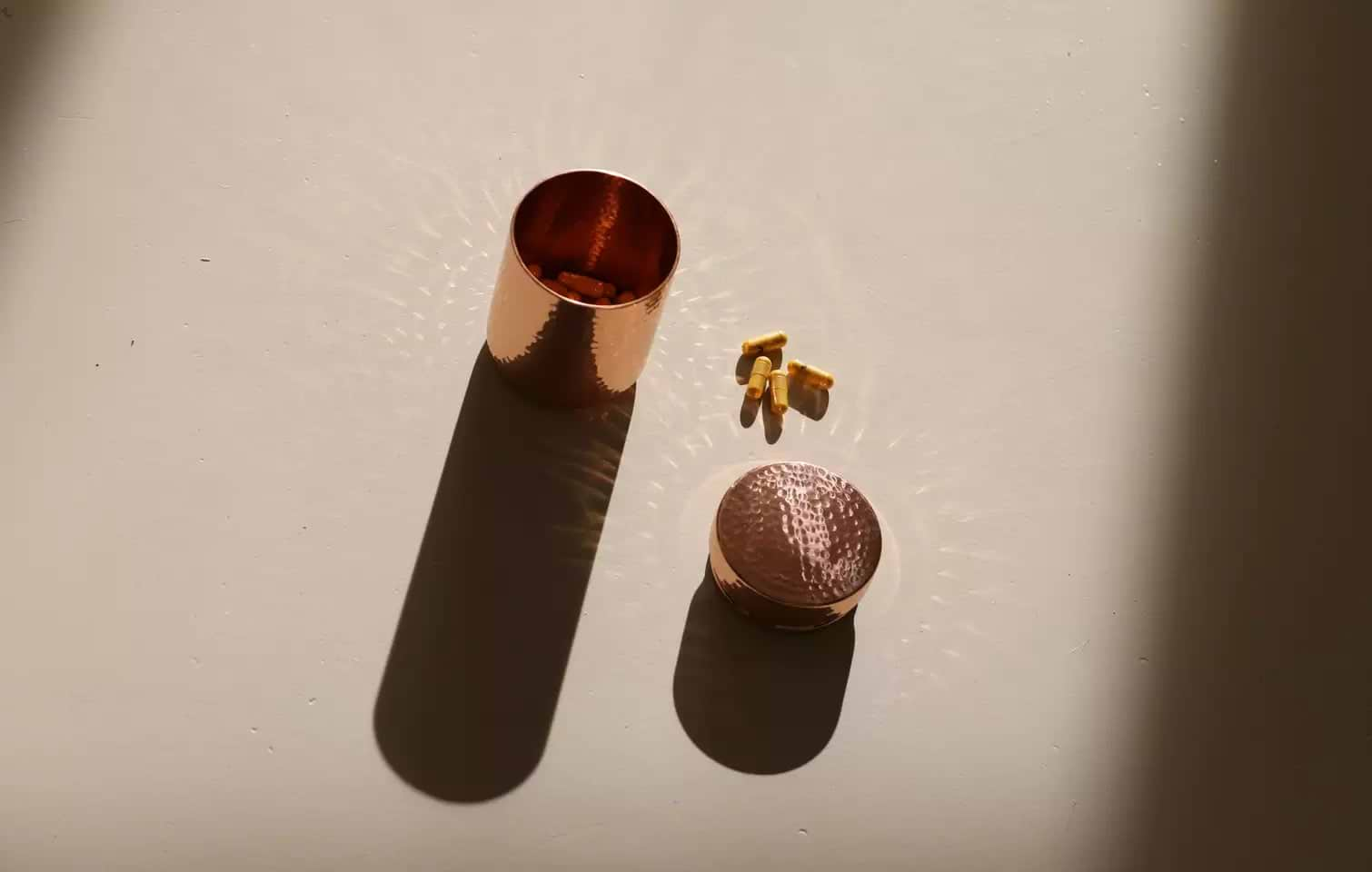
Vitamin K2 in the LYMA Supplement
The LYMA Supplement provides 75mcg of Vitamin K2 as MenaQ7® MK-7, alongside 2,000 IU of Vita-algae D3™, a plant-based Vitamin D3. Vitamin K2 supports bone health and helps direct calcium to bones, while vitamin D supports normal calcium absorption.* The daily dose is four capsules, best taken with breakfast.

The LYMA Supplement is HSA/FSA eligible. Choose “Flex | Pay with HSA/FSA” at checkout on a one-time order and complete Flex's short consultation, which provides the Letter of Medical Necessity your plan may need. On a subscription, you can claim reimbursement afterwards with documentation from our Concierge team. Savings depend on your tax situation; see how HSA/FSA payment works at LYMA.
Vitamin K2: your questions answered
Does Vitamin K2 thin your blood?
No. Vitamin K helps blood clot normally; it doesn't thin it. In healthy people, MK-7 supplements haven't been found to increase clotting beyond normal either.
Do you need K2 when taking Vitamin D3?
You don't need to, but they're often paired because they work on the same calcium pathway. If you take Vitamin D3 and eat few K2-rich foods, a combined product is a simple option.
Can you take iron with Vitamin D3 and K2?
Yes. There's no known interaction between iron and vitamins D3 or K2. Iron is absorbed best away from coffee, tea and calcium-rich foods, so check the timing on your iron supplement.
Does Vitamin K2 lower blood pressure?
There's no good evidence that it does. Vitamin K2 isn't a treatment for blood pressure, so speak to your doctor about any concerns.
Can you take too much Vitamin K2?
No upper limit has been set, and no harm has been seen from high intakes in healthy people. The exception is anyone taking warfarin or a similar medicine.
Can you take Vitamin K2 when pregnant?
Ask your doctor or midwife before taking any new supplement in pregnancy, including Vitamin K2.
The bottom line
Bleeding-related symptoms of vitamin K deficiency are rare and worth a conversation with your doctor. Low K2 status, on the other hand, is common, silent and mostly down to diet.
More natto, aged cheese and egg yolks, or a supplement with MK-7 alongside Vitamin D3 taken with breakfast, is a simple way to get more K2 into your day.
Always consult your medical professional if you have a medical condition, or existing health protocol, before beginning any new supplementation regime.
*These statements have not been evaluated by the Food and Drug Administration. This product is not intended to diagnose, treat, cure, or prevent any disease.
References
Riphagen IJ et al. Prevalence and effects of functional vitamin K insufficiency: the PREVEND study. Nutrients. 2017;9(12):1334.
Theuwissen E et al. Vitamin K status in healthy volunteers. Food Funct. 2014;5(2):229–234.
Theuwissen E et al. Low-dose menaquinone-7 supplementation improved extra-hepatic vitamin K status, but had no effect on thrombin generation in healthy subjects. Br J Nutr. 2012;108(9):1652–1657.
Theuwissen E et al. Effect of low-dose supplements of menaquinone-7 (Vitamin K2) on the stability of oral anticoagulant treatment: dose–response relationship in healthy volunteers. J Thromb Haemost. 2013;11(6):1085–1092.
Schurgers LJ et al. Vitamin K-containing dietary supplements: comparison of synthetic vitamin K1 and natto-derived menaquinone-7. Blood. 2007;109(8):3279–3283.
Sato T, Schurgers LJ, Uenishi K. Comparison of menaquinone-4 and menaquinone-7 bioavailability in healthy women. Nutr J. 2012;11:93.
Schurgers LJ, Vermeer C. Determination of phylloquinone and menaquinones in food. Haemostasis. 2000;30(6):298–307.
Dawson-Hughes B et al. Dietary fat increases vitamin D-3 absorption. J Acad Nutr Diet. 2015;115(2):225–230.
NIH Office of Dietary Supplements. Vitamin K: Fact Sheet for Health Professionals.


